East Dean Village: History, Pubs, and Why It's Worth the Stop
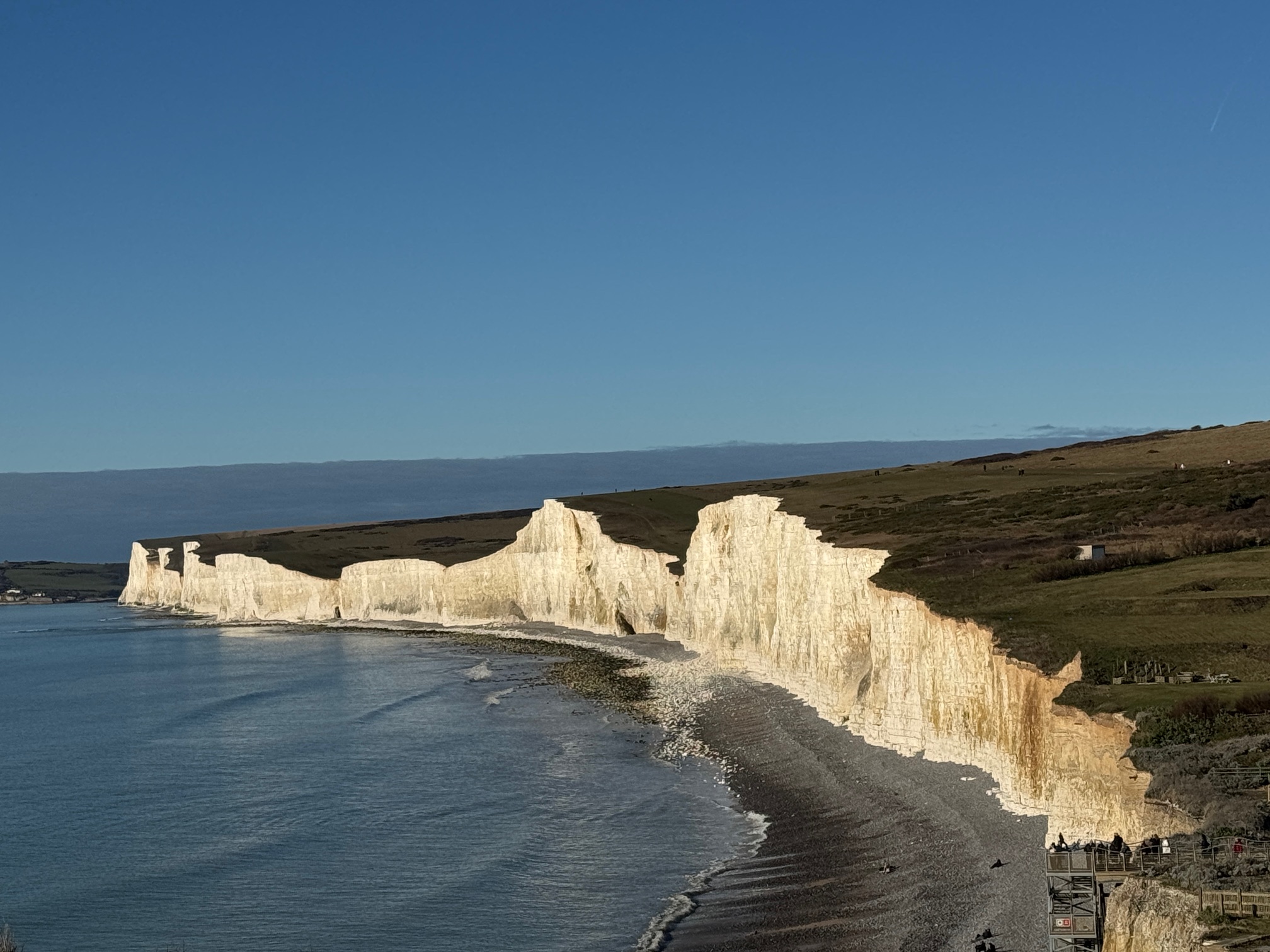
East Dean is one of those villages people drive straight through on their way to the Seven Sisters without stopping. That's a mistake. This tiny medieval settlement has proper history, an excellent pub, a beautiful old church, and makes a brilliant lunch stop or overnight base if you're walking the area.
I'm not claiming it's a must-see destination in itself—it's a village with maybe 300 residents, one pub, one church, and a village green. But it's got character, it's been here since before the Norman Conquest, and if you're spending time around the Seven Sisters, East Dean offers something the visitor centres and car parks can't: a sense of what this area was like before tourism arrived.
The Village Itself
East Dean appears in the Domesday Book of 1086, so people have been living here for at least a thousand years, probably longer. The village sits in a valley about a mile inland from the Seven Sisters, sheltered from the coastal winds that batter the clifftops.
The layout is classic medieval English village: church at one end, green in the middle, scattered flint cottages, pub at the centre of village life. What makes it special is that it hasn't been completely ruined by development—no housing estates bolted on, no modern intrusions. It feels authentically old rather than preserved-for-tourists fake.
The village green is proper common land with a duck pond that actually has ducks, benches under old trees, and sheep grazing when they're not locked up for lambing season. It's the kind of village green that appears in period dramas because it looks how people imagine England used to be.
Quick Village Facts
Population: About 300 people
First recorded: Domesday Book 1086 (as "Dene")
Notable buildings: St Simon and St Jude Church (parts from 1080), Tiger Inn (16th century), various flint cottages (17th-19th century)
Distance from Seven Sisters: 1.5km from Country Park, 2km from Birling Gap clifftop path
Facilities: One pub, one church, village green. No shop, no petrol station, no cash machine. That's it.
The Tiger Inn
This is genuinely why you stop in East Dean. The Tiger Inn has been serving beer since the 16th century and it's still going strong as a proper village pub rather than a gastropub nightmare charging £18 for a burger.
The building itself is classic Sussex flint and tile, low ceilings, exposed beams, open fire in winter. It feels like a pub should feel—worn furniture, locals at the bar, walkers in muddy boots welcome. They're used to people coming off the South Downs Way, so they don't flinch at rucksacks and walking poles.
Tiger Inn - The Practical Details
Food: Proper pub grub done well. Sunday roasts are excellent—generous portions, actual vegetables, real gravy. Weekday menu includes sandwiches, ploughman's, fish and chips, pies. Nothing fancy, portions are good, prices reasonable for the area (mains £12-16).
Drink: Local ales from Sussex breweries (Harvey's is the regular), decent wine selection, proper coffee. The beer garden is brilliant in summer—sits right on the village green with views across to the church.
Opening hours: Generally 11am-11pm, food served 12-3pm and 6-9pm. But these are village pub hours, which means they sometimes close Monday/Tuesday or adjust seasonally. Ring ahead if it's critical: 01323 423209.
Booking: Advisable for Sunday lunch, essential for evening meals on summer weekends. Walk-ins usually fine for lunchtime sandwiches and drinks.
Takeaway: They do takeaway sandwiches and some hot food if you want a picnic rather than sitting in. Handy for walkers.
The Tiger Inn works as a lunch stop, a finish point for walks, or an overnight base—they've got a few rooms upstairs if you want to stay (though book well ahead, there aren't many). The pub sits right on the village green, so you can eat outside in decent weather and watch village life unfold, which at East Dean means mostly sheep and the occasional tractor.
St Simon and St Jude Church
Parts of this church date from 1080, making it nearly a thousand years old. It's been rebuilt and extended over the centuries—the tower is 13th century, bits of the nave are Norman, the chancel was redone in Victorian times—but it's still fundamentally a very old building.
The church is usually open during daylight hours if you want to look inside. It's not grand or famous—no stunning stained glass or medieval wall paintings—but it's a peaceful space and the churchyard is lovely, full of old headstones and wildflowers in spring.
What makes it worth seeing is the sense of continuity. People have been getting married, buried, and baptised here for nearly a millennium. That's quite something when you think about it. The building connects you to all those centuries of village life in a way that reading about history never quite does.
The churchyard offers good views across the valley if you walk to the far end. You can see the Seven Sisters in the distance from certain angles, though the main clifftops are hidden by the valley sides.
Getting to East Dean
East Dean sits about 1.5km inland from Seven Sisters Country Park and 2km from the Birling Gap clifftop path. You can drive, walk, or cycle—there's no public transport directly to the village.
By car: From the A259 coast road, turn off toward Friston/East Dean (signposted). The road drops down into the valley—narrow lanes with passing places, typical Sussex country road. Small car park in the village (free, about 20 spaces, often full on summer weekends). Postcode for satnav: BN20 0DA.
On foot from Seven Sisters Country Park: About 2km via footpaths through the valley. Well signposted, easy walking, mostly flat. Takes 25-30 minutes. The path runs alongside the road for part of the way then cuts through fields. Pleasant walk, good for working up an appetite before lunch.
On foot from Birling Gap: About 2km via the inland path that branches off the clifftop route. This path drops down from the clifftops through Crowlink valley into East Dean. Takes 30-40 minutes. Good escape route if the weather turns nasty on the cliffs.
By bike: Easy ride from Seaford (4km), Eastbourne (7km), or Seven Sisters Country Park (2km). Quiet lanes, some hills but nothing brutal. The village makes a good cycling lunch stop.
Practical Tips for Visiting East Dean
- Parking is limited: The village car park holds about 20 cars. On summer weekends it fills early. Either arrive before 11am or walk/cycle in instead.
- No facilities beyond the pub: There's no village shop, no public toilets (except at the pub if you're a customer), no ATM. Plan accordingly.
- Check pub opening times: The Tiger Inn sometimes closes Monday/Tuesday. Don't turn up expecting lunch without checking they're open, especially in winter.
- The church is usually open: During daylight hours, but it's still an active church so occasionally closed for services or events.
- Muddy in winter: The paths around East Dean get churned up by livestock and walkers. Waterproof boots essential October-March.
- Mobile signal is poor: Don't rely on your phone for navigation or looking up pub opening hours. Check before you arrive.
Combining East Dean With Seven Sisters Walks
East Dean works brilliantly as part of a walking day rather than a destination in itself. Here are the routes that make sense:
Option 1: Birling Gap - East Dean - Seven Sisters Circuit
Distance: 8km circular | Time: 3-4 hours including pub stop
Start at Birling Gap, walk west along the clifftops for a couple of Sisters, then drop down the Crowlink path to East Dean for lunch. After eating, walk back via Seven Sisters Country Park and the valley paths to Birling Gap. This gives you clifftop drama, village lunch, and riverside scenery without too much climbing.
Option 2: Seven Sisters Country Park - East Dean Return
Distance: 4km return | Time: 1.5 hours plus pub time
Gentle valley walk from the Country Park to East Dean and back. Completely flat, good for families or when you want a short walk with a pub lunch. The path follows the valley floor with views of the downs on either side.
Option 3: East Dean as Overnight Base
Stay at the Tiger Inn (or nearby B&Bs in Friston), use East Dean as your base for multiple days walking the Seven Sisters. Walk out to the cliffs, return to the village, repeat. Means you're not doing massive circular routes or messing about with car shuttles.
Nearby: Friston Forest and Friston Village
East Dean's neighbour Friston (about 1km north) is even smaller but has Friston Forest on its doorstep. If you want woodland walking instead of exposed clifftops, the forest offers good paths, shelter from wind and rain, and completely different scenery.
Friston village itself has a lovely church (also very old) and The Foresters pub, though locals will tell you the Tiger Inn in East Dean is better. The villages are close enough that you can easily visit both in one trip.
History Worth Knowing
East Dean's history is typical of Sussex downland villages: medieval farming settlement, sheep grazing on the downs, arable farming in the valleys. The village would have been mostly self-sufficient until the 20th century—growing food, raising livestock, milling grain.
The name "Dean" comes from Old English "denu" meaning valley, which describes its location perfectly. "East" distinguishes it from West Dean, another Sussex village about 15 miles west.
Smuggling was big business here in the 18th and 19th centuries. The Seven Sisters coast was perfect for landing contraband from France—isolated, close to continental Europe, locals who asked no questions. East Dean would have been involved, though the village maintains polite silence about the details.
The church records show the village population peaked in Victorian times (around 500 people) then declined through the 20th century as agricultural mechanisation reduced the need for farm workers. What you see now—300 residents, one pub, quiet country life—is actually the village in recovery after decades of decline.
What East Dean Isn't
Let's manage expectations. East Dean is not:
- A tourist attraction with gift shops and visitor centres
- Particularly photogenic in a chocolate-box way (it's authentically scruffy in places)
- Packed with things to do—there's a pub, a church, and a village green. That's your lot.
- Easy to reach by public transport (you need a car or you're walking)
- Open late—the pub closes at 11pm, after which the village is completely dark and quiet
It's a working village that happens to be in a beautiful location near the Seven Sisters. If you want manicured tourist villages with craft shops and tea rooms, you're in the wrong place. If you want genuine Sussex downland village life, this is it.
Best Times to Visit
Summer (June-August): The village green is lovely, the pub garden is brilliant, everything looks its best. But it's also when the car park fills fastest and the pub gets busiest. Arrive early or book ahead.
Spring and Autumn: Perfect balance. Village looks good, pub isn't rammed, you can usually park without circling. April-May brings wildflowers to the churchyard and surrounding downs. September-October has beautiful light and golden grass.
Winter: Atmospheric if you like quiet, moody countryside. The pub with an open fire after a cold walk is properly cosy. But days are short, paths are muddy, and the pub sometimes closes midweek. Check opening times before making a special trip.
Sunday lunch: Year-round institution. The Tiger Inn does excellent Sunday roasts but you absolutely must book ahead—it's popular with locals and walkers. Arrive without booking and you'll be disappointed.
Planning Your Seven Sisters Visit?
East Dean works brilliantly as part of a walking day. Check our beginner routes guide or the Cuckmere Valley walk for routes that can include the village. See our main guide for accommodation options nearby.