The Experience
A Day at
Birling Gap
The Beach: Rock Pools & Discovery
The tour begins at Birling Gap car park, where the guide meets families, distributes equipment, and walks the group down the National Trust steps to the beach. At low tide the chalk platform extends out from the cliff base, revealing a network of pools ranging from shallow puddles to knee-deep channels. The guide leads the group across the platform, identifying species as they go.
Shore Crabs (Carcinus maenas) are invariably the most popular find with younger children — pick up carefully with two fingers behind the body, examine, release. Beadlet Anemones look like blobs of red jelly when exposed to air, but in water extend their tentacles into brilliant ruby-red feeding fans. Blennies — small bottom-dwelling fish that can breathe air for short periods — are particularly engaging: they appear to have expressive faces and peer up at children with apparent curiosity.
In a good low-tide session it's common to find a dozen or more species without any significant effort. Your guide records each find in a species list, which children can take home as a memento of the session.
The Cliff Walk: First Views
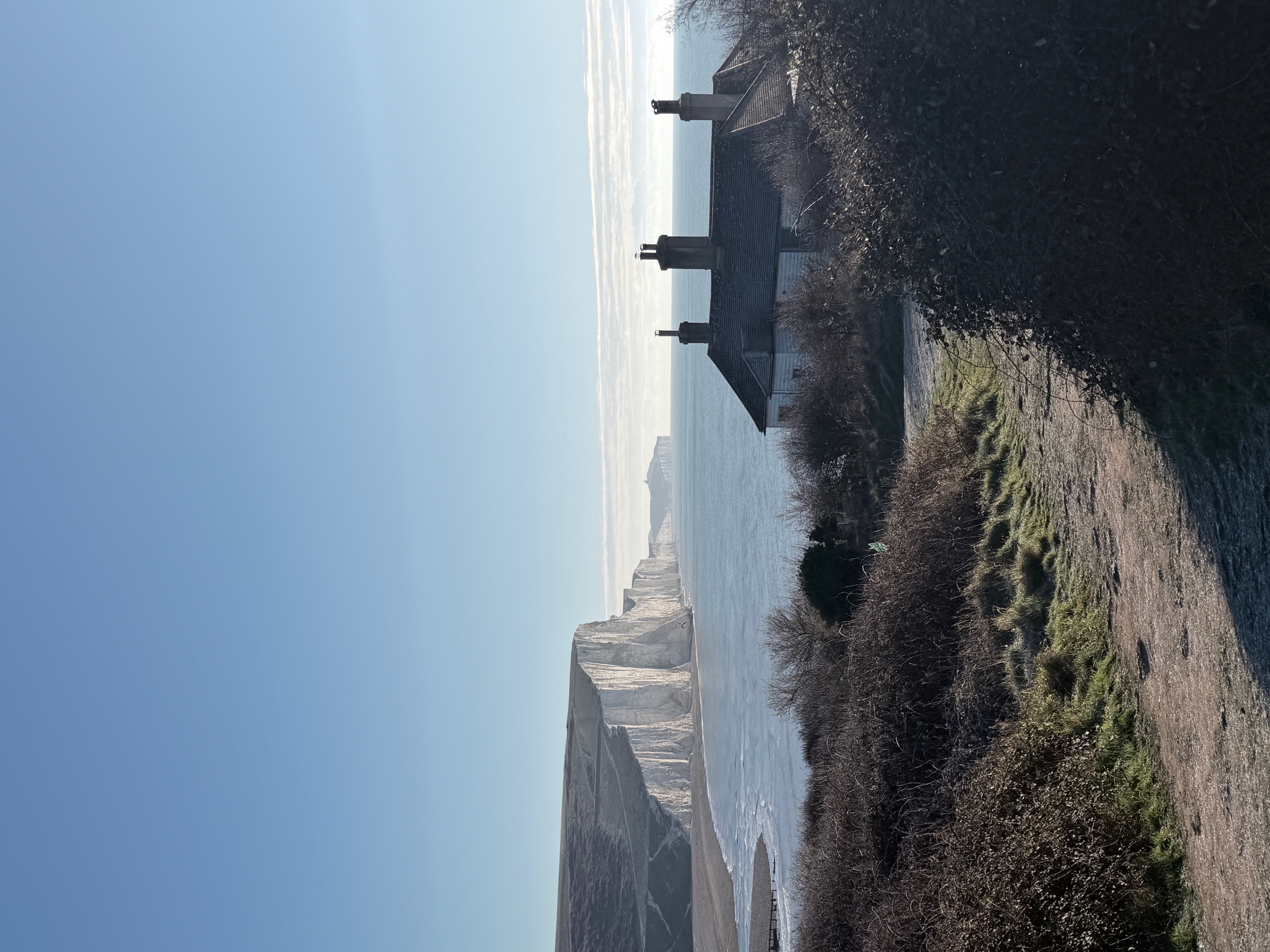
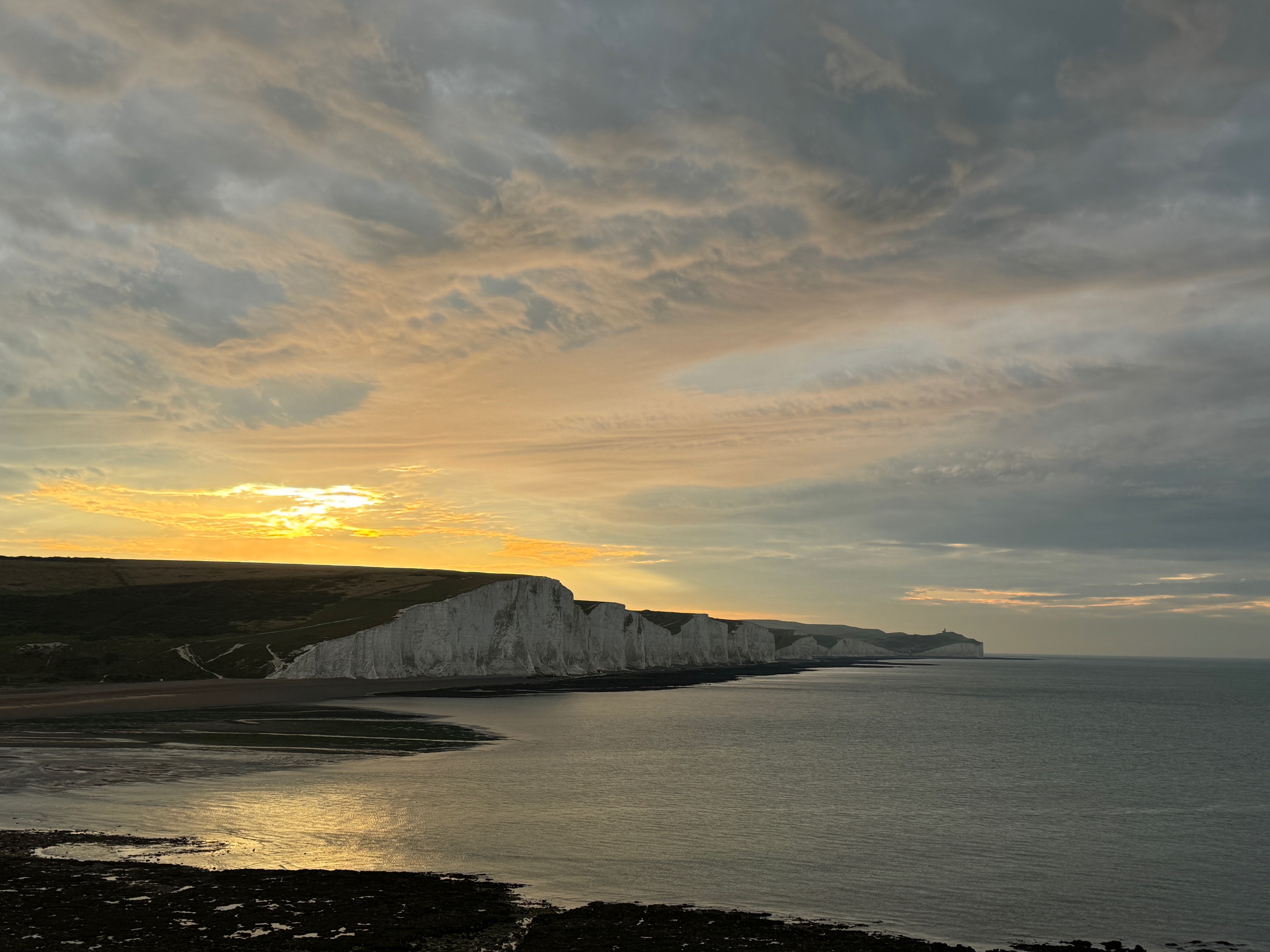
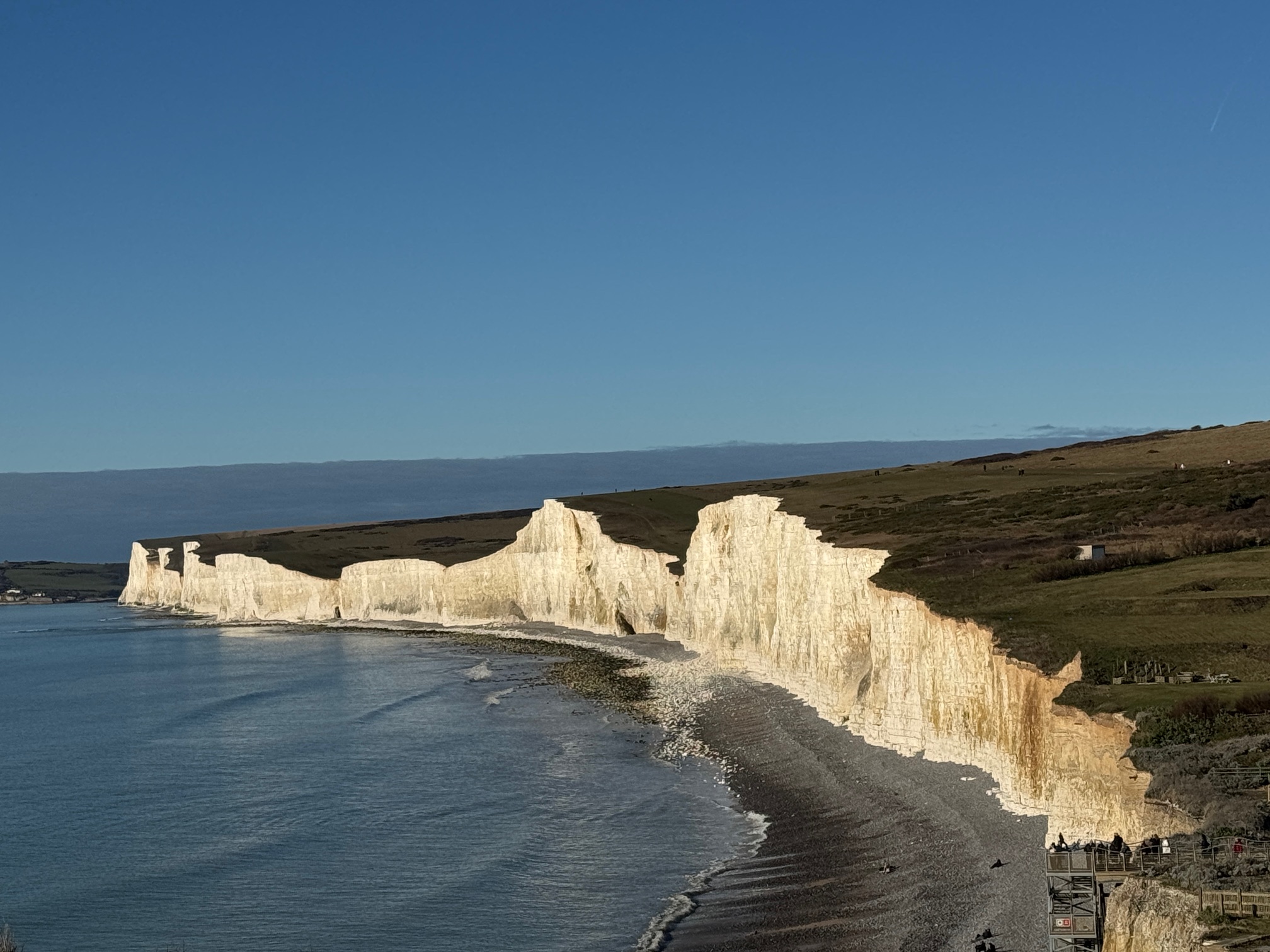
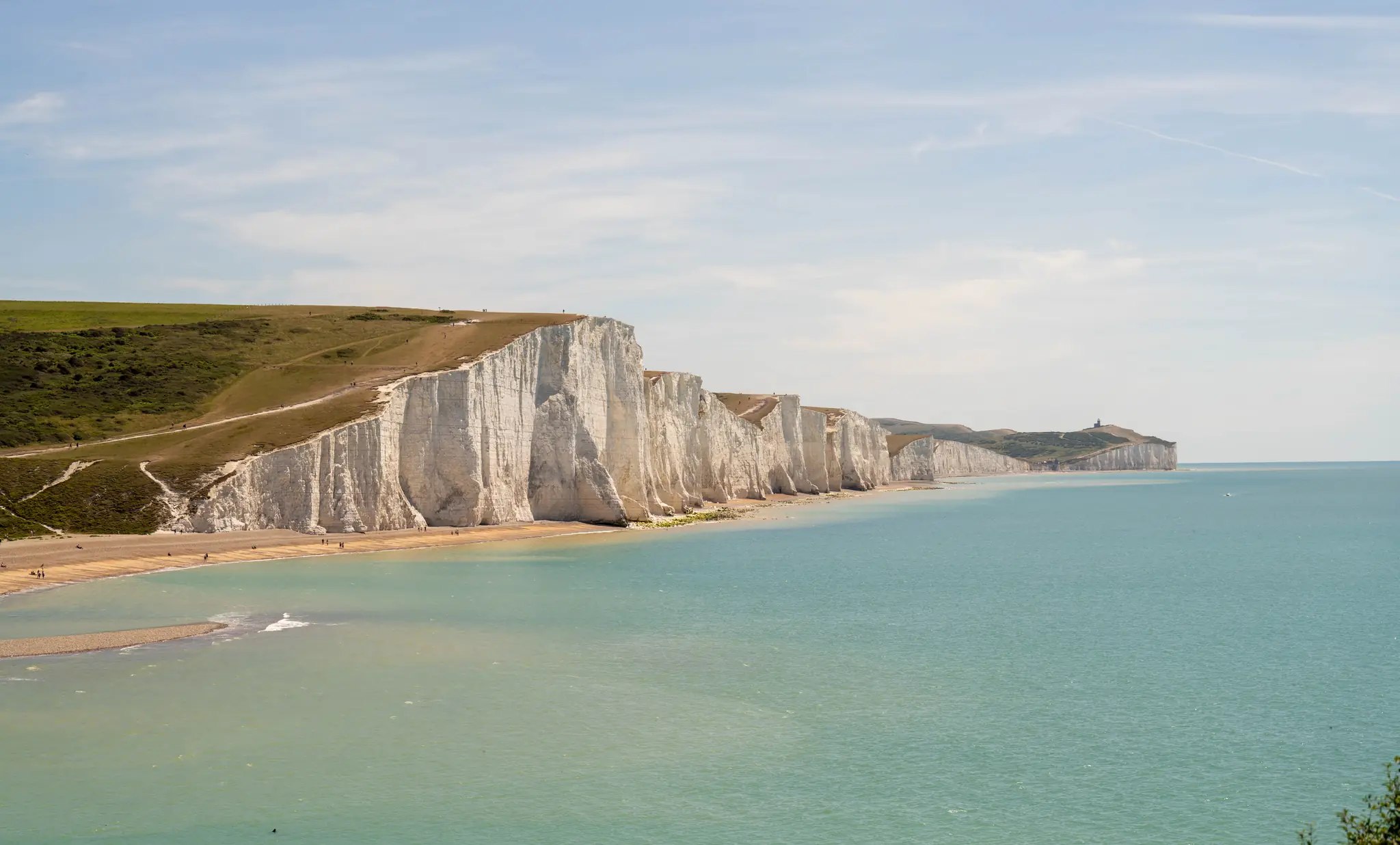
After 60–90 minutes on the beach (dependent on tide and group interest), the tour moves to the cliff top for a gentle 30-minute walk towards Went Hill Brow. The nearest Sister rises ~75 metres above the sea and offers an unobstructed view back along the coast. The guide points out chalk downland flowers, butterflies (in season), and the distinctive outline of Belle Tout Lighthouse in the distance.
The National Trust café at Birling Gap is open seasonally — a warm drink and a scone provide a well-earned finish to the session. Most families spend an additional hour or two exploring independently after the guided session ends.
Timing Your Visit: Tides and Seasons
Rock-pooling at Birling Gap is entirely tide-dependent, and the guided sessions are scheduled around this carefully. The optimal window is the two hours either side of low water, when the maximum area of chalk platform is exposed. On spring tides — which occur twice a month around new and full moon — the sea retreats further than usual, revealing deeper pools and more of the intertidal habitat. These sessions tend to produce the most species diversity, including larger shore crabs, more conspicuous starfish, and fish species that remain hidden in shallower exposures. Your guide checks the tide tables before every session and adjusts the meeting time accordingly.
The season runs from April through October, but June to September produces the most consistent results — warmer conditions keep more species active in the upper shore zone. Families visiting outside school holidays will find the beach significantly quieter, which matters: when pools are undisturbed by other visitors, crabs and fish are more active and easier to spot. Weekend slots in July and August sell out three or more weeks ahead, so booking early is strongly recommended. Independent visits to Birling Gap beach (outside guided sessions) require checking the tide table first — the beach is completely inaccessible at high tide.
Book a day your children will still talk about when they're grown up.
Book on GetYourGuide