The Experience
Season by Season:
What You'll Encounter
Spring (April–June): The Peak Season
Spring is the standout season for wildlife at Seven Sisters. The chalk downland erupts with colour as cowslips, horseshoe vetch, and early purple orchids open. Adonis Blue butterflies emerge from mid-May — one of Britain's most spectacularly blue insects, found almost exclusively on south-facing chalk grassland. Peregrine Falcons are at their most active, with adults hunting to feed newly fledged chicks on the cliff faces. Your naturalist can often locate active nests from a safe distance using binoculars.
Summer (July–August): Butterflies & Seabirds
High summer brings Chalk Hill Blue butterflies in numbers — in good years the downland appears to shimmer with blue-winged insects at grass level. Marbled White, Silver-spotted Skipper, and Dark Green Fritillary are also common. On the cliff faces, Fulmars (which glide stiff-winged rather than flapping) are a highlight — they return to breed on the same ledges year after year. The beach at low tide reveals rich intertidal life: limpets, periwinkles, blennies, and shore crabs in the rock pools.
Autumn (September–November): Seal Season
As butterfly season ends, the grey seal colony builds up at Hope Gap. Numbers peak between October and February, with up to 30 individuals sometimes hauled out on the shingle. Your naturalist can distinguish adults, juveniles, and pups by size and pelage, and will explain the colony's social structure. Autumn is also excellent for migrant birds — the Seven Sisters sits on a major flyway, and rarities turn up regularly on the downland and in the Cuckmere Valley.
Winter (December–March): Birdwatching
Winter brings the fewest tourists and some of the finest birding. Short-eared Owls hunt the open downland on cold afternoons. Hen Harriers quarter the valley floor. Lapwing and Golden Plover flocks move through the Cuckmere. The combination of sea, cliff, and open downland in a compact area makes Seven Sisters one of Sussex's most productive winter birding sites.
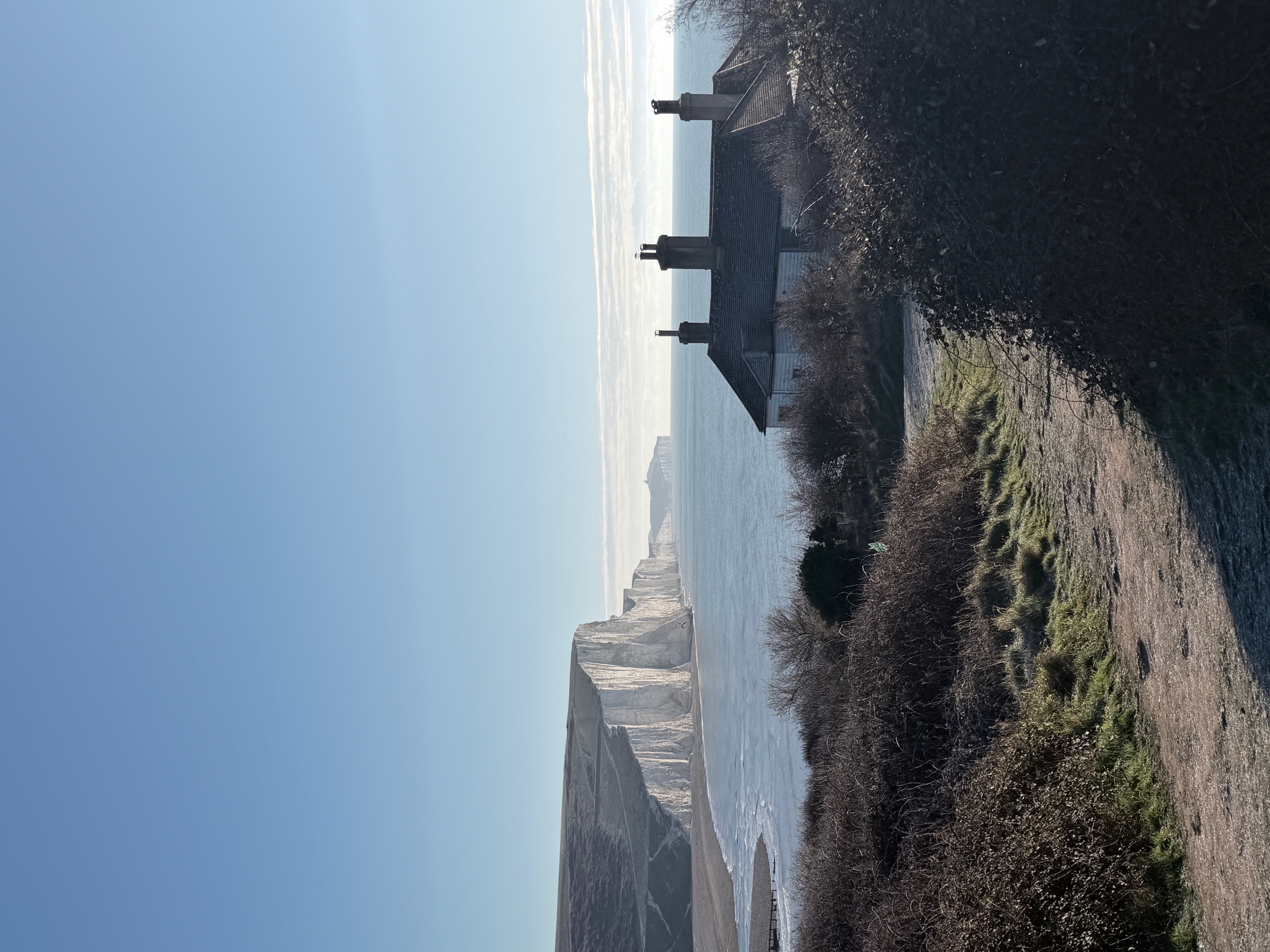
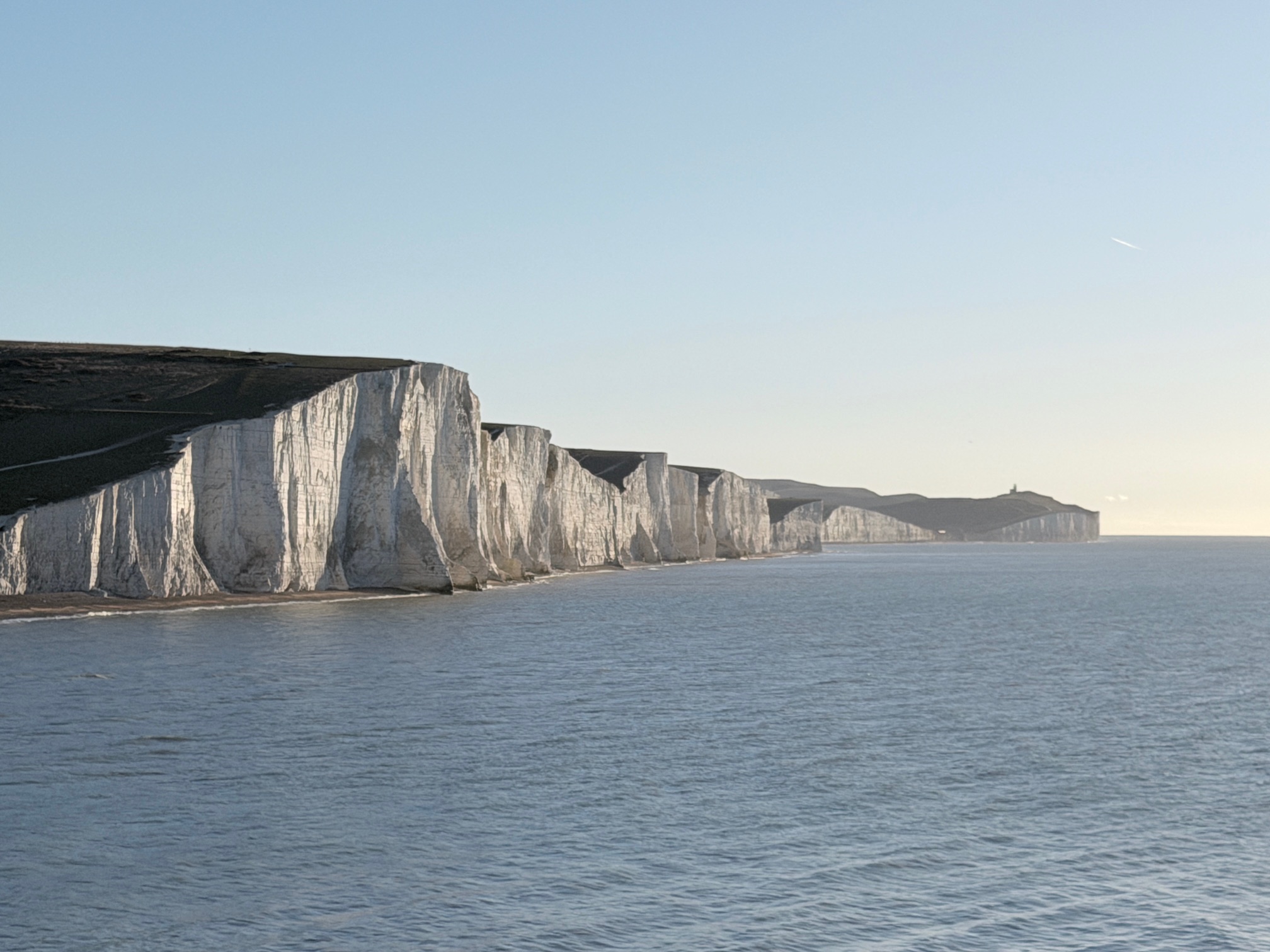
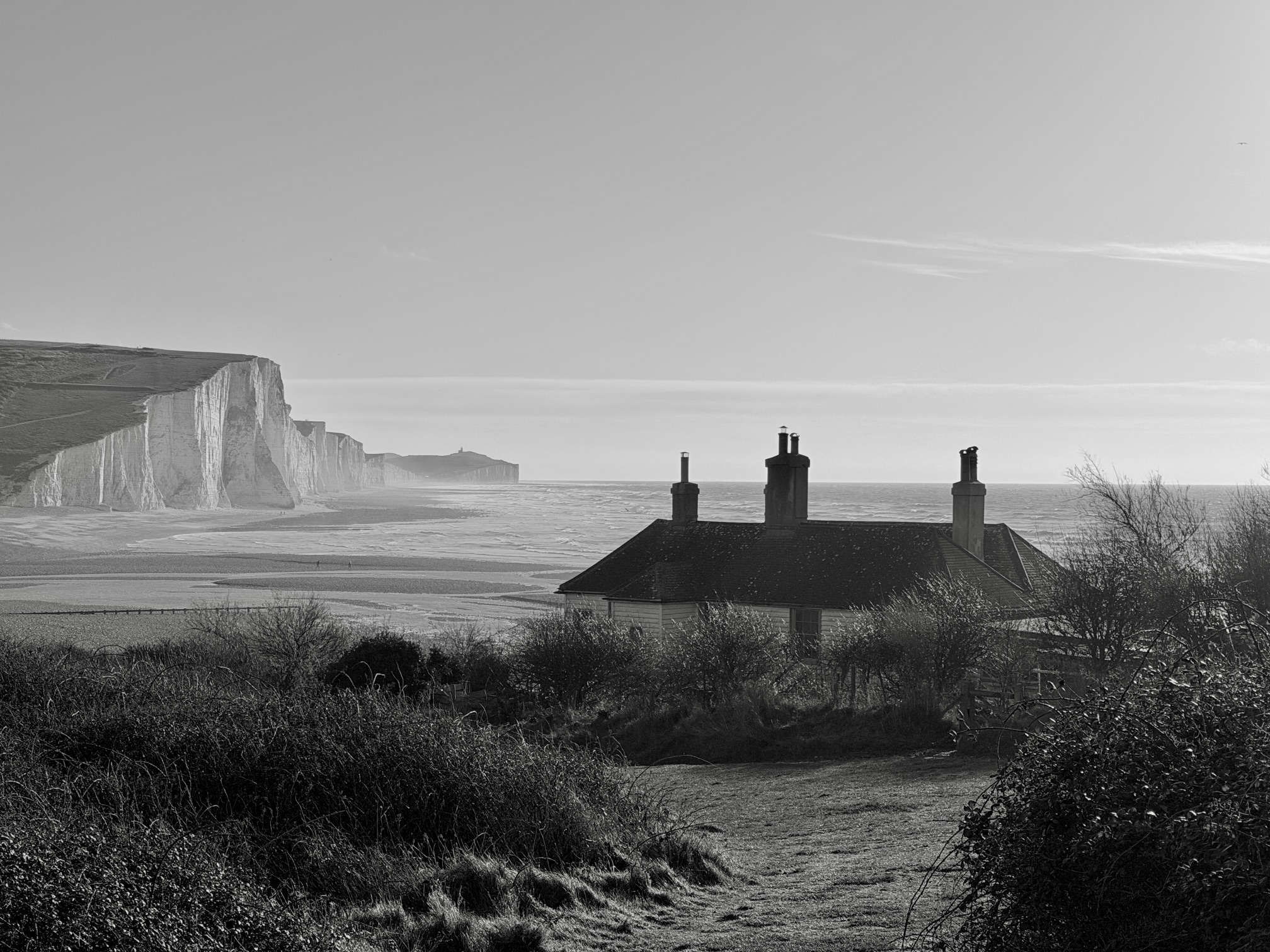
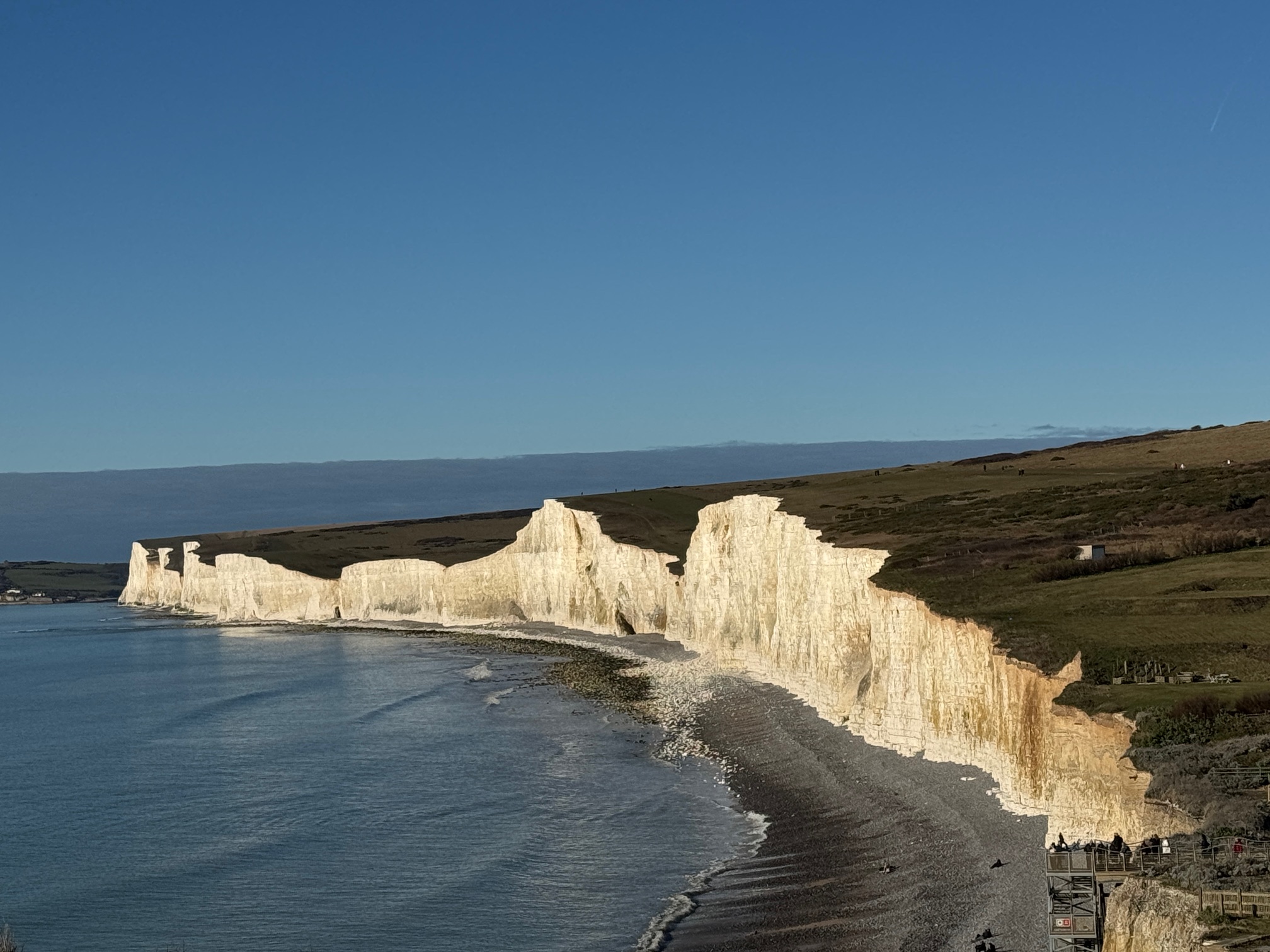
Discover one of England's most biodiverse coastlines with a guide who knows every species.
Book on GetYourGuide