Seven Sisters Sustainable Travel: Eco Tips & Responsible Visiting
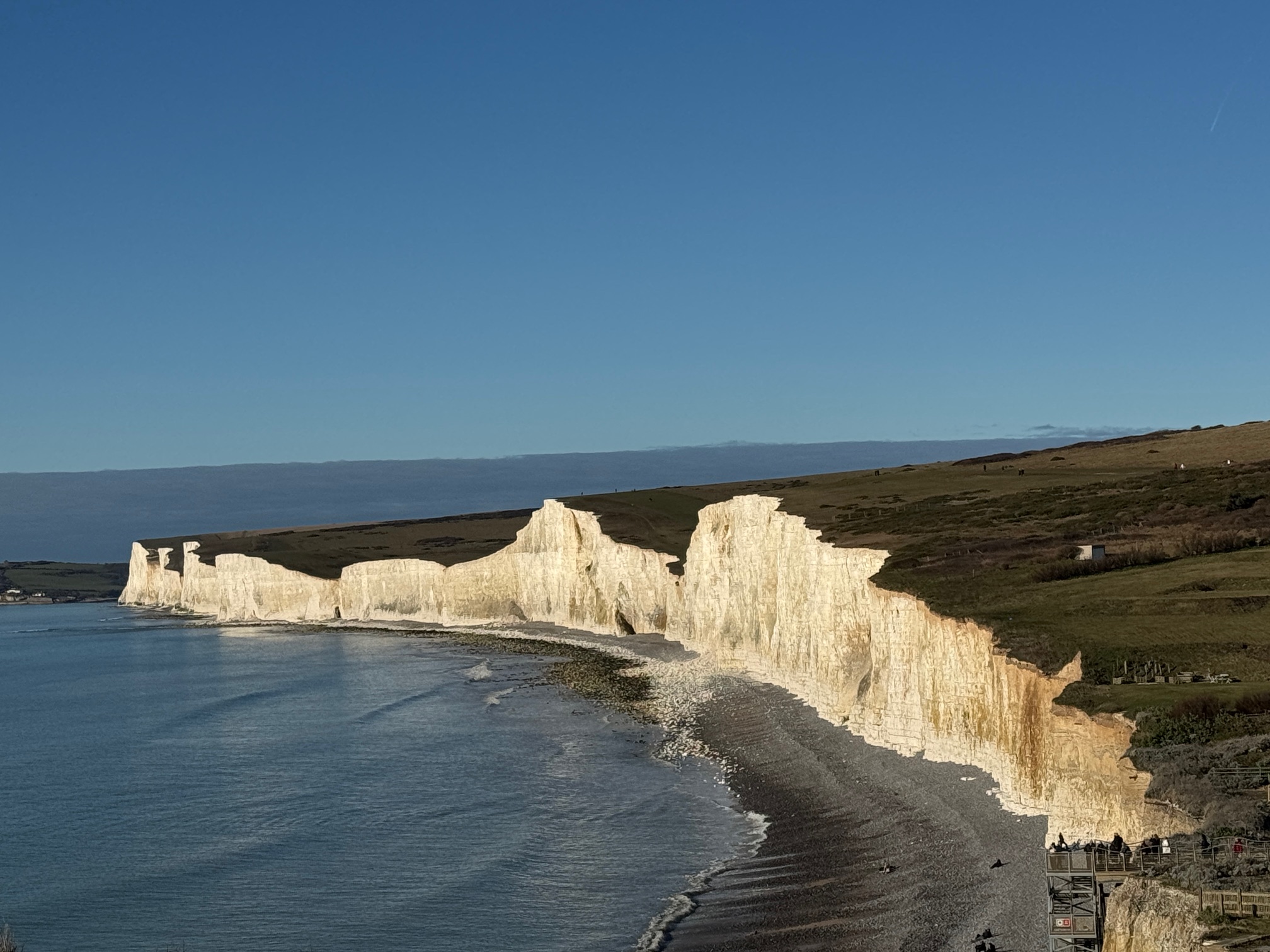
Seven Sisters is a Special Area of Conservation. That isn't a ceremonial title — it means the chalk grassland, the cliff-nesting seabirds, and the rare orchid populations are legally protected because they're genuinely fragile. Half a million visitors a year is a lot of pressure on an ecosystem this specific, and some of the impact is avoidable if visitors know what they're doing.
This isn't a lecture. Most of the practical steps here are things that make your visit better anyway.
Understanding Why Sustainability Matters Here
The Fragility of Chalk Grassland Ecosystems
The clifftop and grassland ecosystem is surprisingly fragile. The chalk soil is thin and nutrient-poor. Plants adapted to these harsh conditions have evolved specific, narrow niches. Trampling kills plants. Informal paths consolidate into permanent trails causing compaction and erosion. Off-path walking destroys rare plants. The ecosystem accommodates visitors—but only up to a point.
The ecosystem includes species found nowhere else in the UK or indeed Europe. Adonis Blue butterflies, specific chalk-loving plants, specialist insects—these species exist here and nowhere nearby. If this ecosystem is damaged, they're gone entirely. "Nowhere nearby" means lost forever. This isn't hyperbole; it's ecological fact.
Climate Change Impacts
Seven Sisters faces climate change challenges:
- Increased erosion: Higher sea levels and more intense storms accelerate cliff erosion. The cliffs have always eroded; climate change increases the pace significantly. Some projections suggest visible increase in erosion rates within decades.
- Shifting species ranges: Many species are responding to warming climate by moving northward or to higher elevations. Seven Sisters experiences changes in bird arrival/departure times, shifting plant bloom dates, and species composition changes.
- Increased fire risk: Dry summers increase grassland fire risk. Uncontrolled fire can devastate this ecosystem.
- Habitat pressure: Climate stress makes habitat more fragile. Adding human-caused stressors (trampling, disturbance) at the same time these ecosystems are already stressed is especially problematic.
Reducing visitor carbon footprint has real impact. Your emissions contribute to climate change affecting this specific place. Choosing low-carbon travel isn't abstract environmental virtue—it's concrete protection of the place you're visiting.
Wildlife Vulnerability
Seabirds at Seven Sisters breed on cliff faces and ledges. Nesting season (April-July) is critical—any disturbance during breeding can cause nest abandonment and breeding failure. A cliff-nesting seabird invests enormous energy into breeding; nest abandonment means reproductive failure for that year. Repeated disturbance across multiple years can cause population decline. Kittiwakes at Seven Sisters have shown population declines—disturbance during breeding is one contributing factor.
Transportation: The Biggest Impact
Why Transportation Matters
Transportation accounts for roughly 75-80% of a visitor's carbon footprint. The drive to Seven Sisters is significant. A round-trip drive from London (100+ km each way) burns substantial fuel. A single visitor driving round-trip from London produces carbon equivalent to roughly one month of average household emissions. Across 500,000+ annual visitors, the cumulative impact is enormous.
Low-Carbon Transportation Options
Public transport (train/bus): Single most impactful sustainable choice. Train from London to Seaford or Eastbourne produces roughly 1/20th the carbon of driving. Bus travel is similarly low-carbon. Yes, public transport is sometimes slower and less convenient. But the carbon advantage is so substantial it overwhelms minor inconvenience. If you visit from within 100km of Seven Sisters, public transport should be default option.
Train specifics: National Rail operates services to Eastbourne and Seaford from across the UK. Eastbourne (13 km away) requires bus or taxi from station. Seaford (20 km away) requires taxi/shuttle. Public buses connect to Seven Sisters visitor areas. Journey time from London Victoria: approximately 1.5 hours to Eastbourne. Cost: £20-40 return (off-peak). Carbon: roughly 20kg CO2 for round-trip per person (compared to 100+ kg by car).
Bus services: Local buses connect Eastbourne/Seaford to visitor areas. Journey frequency varies; plan ahead to avoid long waits. Cost is lower than trains (£10-20 return). Carbon impact is similar to trains per passenger. The challenge is integration—buses don't go directly to all trailheads, requiring additional walking or taxi. But most visitor areas are accessible by bus.
Carpooling: If driving is unavoidable, share vehicles. Carpooling splits transportation emissions across passengers, reducing per-person impact. Four people in one car produce 1/4 the emissions of four single-occupant vehicles. Organize carpools through walking groups, photography clubs, or friend networks. Yes, coordination requires effort. The carbon savings justify the effort.
Electric vehicles: Increasingly accessible. If you must drive, EV produces roughly 1/2 the carbon of petrol vehicles (assuming grid electricity comes from mixed sources including renewables). EV charging stations exist in Eastbourne and Seaford. Limitations: EVs require charge time (add 30-60 minutes to trip for charging), only practical for moderate distances (not ideal from Scotland or Wales), and require vehicle ownership (capital cost significant). But expanding EV networks make this increasingly viable.
Cycling: Zero-carbon transportation. From Seaford, bike routes exist reaching Exceat and nearby areas. Physical challenge: Seven Sisters hills are steep. E-bikes (pedal-assisted) make cycling practical for people with fitness limitations. Bike rentals exist in Seaford (check local listings). A day trip by train to Seaford plus local cycling is very low-carbon.
Walking: Zero-carbon if you don't drive to reach the site. Obviously requires living nearby or accessing via sustainable transport. For locals, walking/biking is the obvious choice.
Calculating Your Carbon Footprint
Understand your impact:
- Driving: Roughly 200g CO2 per km. A 50 km round-trip (typical from nearby towns) = 10 kg CO2. A 200 km round-trip (from London area) = 40 kg CO2. Compare to one person's monthly carbon budget (roughly 60-100 kg from all activities for sustainable living).
- Public transport: Roughly 20-30 g CO2 per km per passenger. A 200 km round-trip = 4-6 kg CO2. Roughly 85-90% lower than driving.
- Flying: Roughly 250g CO2 per km. From-flying visitors contribute significant carbon. Flying from Scotland or Ireland makes climate impact very high. Consider whether visit is worth the carbon impact or whether local alternatives exist.
On-Site Sustainability: Waste and Consumption
Leave No Trace Principles
The standard outdoor ethics framework for sustainable visiting:
- Plan and prepare: Know where you're going. Check weather, conditions, and regulations before arriving.
- Travel and camp on durable surfaces: Stay on marked paths. Avoid trampling vegetation. Don't cut new trails or widen existing ones.
- Dispose of waste properly: Pack out everything you pack in. No exceptions. Compostable items can be left IF genuinely compostable (apple cores, nutshells, naturally-dyed fibre). Most packaging (plastic, foil, etc.) must be carried out.
- Leave what you find: Don't collect wildflowers, shells, stones, or other natural items (with exception of responsible fungi foraging on designated dates with permission). Leave landscapes unchanged for others.
- Minimize campfire impacts: No campfires allowed at Seven Sisters (fire danger). This is a hard rule, not a suggestion.
- Respect wildlife: Observe from distance. Never touch animals, disturb nests, or chase wildlife. Keep noise minimal during breeding season.
- Respect other visitors: Yield paths to others. Keep noise appropriate. Be considerate.
These aren't restrictions limiting your experience—they're the framework for ensuring Seven Sisters remains worth visiting.
Specific Waste Issues at Seven Sisters
Single-use plastics: Bring reusable water bottle (refillable at visitor centres). Skip single-use plastic cups, bags, cutlery. This prevents litter and reduces demand for plastic production.
Food packaging: Bring foods in reusable containers or bulk formats (buy loose fruits and vegetables, bulk nuts/grains, etc.). Avoid heavily packaged items. This reduces waste by 50%+ and typically costs less.
Dog waste: Clean up after dogs completely. Pet waste contains pathogens harmful to wildlife. Bag waste and carry out (or dispose in appropriate bins if provided). Don't assume "natural waste is fine"—it's not, in ecosystems already stressed.
Human waste: Toilet facilities exist at visitor areas. Use them. If caught without facilities far from toilets, dig a cathole at least 200 metres from water sources, at least 15cm deep. Cover completely. Carry out toilet paper (or bury it). This prevents waterborne pathogen transmission.
Sunscreen: Some sunscreen chemicals damage coral reefs and potentially harm sensitive ecosystems. Use reef-safe (oxybenzone-free) sunscreen. Better: wear protective clothing (long sleeves, hat) reducing sunscreen needs.
Wildlife Protection and Breeding Season Responsibility
Seabird Breeding Season: April-July
During breeding season, seabirds are especially vulnerable. Requirements:
- Keep distance from cliffs: Stay at least 5 metres back from cliff edges (for your safety and their space). Closer than this, you risk disturbing birds or looking directly into nests.
- Minimize noise: Keep voices low. Avoid sudden loud sounds. Use headphones if listening to music/podcasts.
- Don't use flash photography: Flash can disorient birds. Disable flash on cameras.
- Never approach nests or fledglings: Even if a bird appears "helpless," intervening often harms more than helps. Parents are usually nearby, maintaining distance. Leave wildlife alone.
- Control dogs completely: Keep dogs on short leads. Unleashed dogs can disturb nesting birds and harass other visitors' dogs. Some areas restrict dogs during breeding season—follow signs.
- Report disturbance: If you see others harassing wildlife, report to visitor centres or National Trust. Disruption during breeding season has population-level consequences.
Ground-Nesting Birds
Some species (plovers, stonechats, others) nest on the ground in grassland. These are even more vulnerable. Requirements:
- Stay on marked paths: Off-path walking can destroy nests or eggs.
- Never investigate "ground disturbances": What looks like disturbed ground might be a nest. Don't explore.
- Control dogs completely: Off-lead dogs can trample nests or harass birds.
- Watch for warning signals: If adult birds make distress calls or dive-bomb you, you're too close to nest. Back away immediately.
Wildflower Protection
Several rare orchid species occur at Seven Sisters. These are protected by law. Requirements:
- Never pick wildflowers: This is illegal and harms populations. Photograph instead of picking.
- Stay on marked paths: Wildflowers occur in grassland beside paths. Off-path walking damages plants.
- Report rare species observations: If you spot rare plants, report location to visitor centres. This data helps conservation efforts.
Supporting Local Sustainability
Supporting Local Businesses
Tourism can either exploit local communities or support them. Sustainable tourism supports local economy:
- Eat locally: Purchase food from local restaurants, cafés, farms shops. This money stays in the community. Eat from ethical suppliers (ask about sourcing).
- Shop locally: Buy crafts, souvenirs, gear from local shops. This supports local businesses.
- Use local guides: Hire local photographers, naturalists, walking guides. This provides income to locals who steward the landscape.
- Stay locally: If overnight stays are involved, use local accommodations (guesthouses, small hotels, B&Bs) rather than chain hotels. Community accommodations typically have lower environmental impact and more direct community benefit.
- Pay entrance fees and donations: Where charged, these fund conservation and maintenance. Don't resent fees; they're essential for landscape stewardship.
Advocating for Sustainability
Beyond personal behavior, support broader sustainability:
- Join conservation organizations: Sussex Wildlife Trust, National Trust memberships fund conservation directly. Annual memberships cost £50-100 and provide unlimited visits plus environmental advocacy.
- Participate in volunteer work: Help with habitat restoration, path maintenance, invasive species removal. Your hands-on effort contributes to landscape health.
- Advocate for policy: Support local initiatives promoting sustainable tourism, public transportation investment, and conservation funding. Vote and contact representatives advocating for environmental policies.
- Promote sustainable visiting to others: Share your sustainable practices with friends, family, and social media followers. Word-of-mouth influence changes visiting behavior.
Sustainable Specific Activities
Sustainable Photography
- Avoid disturbing wildlife for photos: Don't approach too close, use flash, or make noise to get animal subjects into frame. Good wildlife photography respects animal welfare.
- Stay on paths: The best composition doesn't justify trampling vegetation. Find good angles from marked paths.
- Don't manipulate landscape for photos: Moving stones, uprooting plants, or rearranging landscape for better composition harms the site.
- Digital over film: Digital photography produces no physical waste (no film canisters, no chemical processing waste). Digital is more sustainable.
Sustainable Foraging
Fungi foraging can be sustainable if done responsibly:
- Only on designated days/areas: Check with visitor centres for permitted foraging areas and dates.
- Use proper technique: Cut fungi at the base (don't pull roots). This allows fruiting the next year. Take only what you'll use.
- Never take rare species: If you're uncertain about a species, don't take it. Most common species are sustainable to harvest; rare species are off-limits.
- Leave some for wildlife: Fungi are wildlife food. Take 50% maximum, leaving the rest for animals.
- Educate yourself thoroughly: Misidentification can be dangerous (some fungi are toxic). Take a guided foraging walk before foraging alone.
Sustainable Walking
- Stick to marked paths: This concentrates impact in sustainable locations.
- Avoid using eroding paths: If a path is actively eroding/widening, try to use alternative routes (if available) or walk at path edge where vegetation is toughest.
- Walk during less-busy times: Midweek mornings are less crowded than weekend afternoons. Spreading visitor load reduces peak-time impact.
- Make repairs:** If you notice small trail maintenance needs (fallen branches blocking path, erosion starting), spend a few minutes making minor repairs. Conservation isn't just for officials.
The Role of Visitor Behavior Change
A Personal Story in Conservation
Conservation at Seven Sisters depends on visitor behavior. A 1-2% improvement in visitor behavior (fewer people littering, more staying on paths, better wildlife distancing, more sustainable transport choices) across 500,000 annual visitors produces enormous impact. Multiplied, individual choices compound into landscape-scale difference.
Conversely, degradation also compounds. A small minority of visitors (perhaps 3-5%) are careless or ignorant of impacts. Their behavior drives erosion, litter, wildlife disturbance, and habitat damage visible to everyone. These visitors shouldn't be judged harshly—education improves behavior. But their impacts are real.
You influence this baseline through your behavior. Choosing sustainable options visibly demonstrates their value. When others see sustainable choices normalized, they're more likely to adopt them. Your behavior is conservation work.
The Short Version
- Transport: Train to Seaford or Eastbourne is the single biggest impact reduction you can make — roughly 85% less carbon than driving from London
- Stay on paths: The rare plants and ground-nesting birds are right next to the path. You don't need to step off it to see them
- Breeding season (April–July): Keep dogs on leads near Cuckmere Haven beach. Keep noise down near cliff faces. Don't use flash near nesting birds
- Pack out everything: There are no bins on the clifftop path. What you carry in, carry out
- National Trust membership: Funds conservation directly and covers parking at Birling Gap — pays for itself within a few visits
Getting Here Sustainably
For the full public transport picture — trains, buses, journey times from London and Brighton — our train and bus guide covers everything you need to plan a car-free visit.