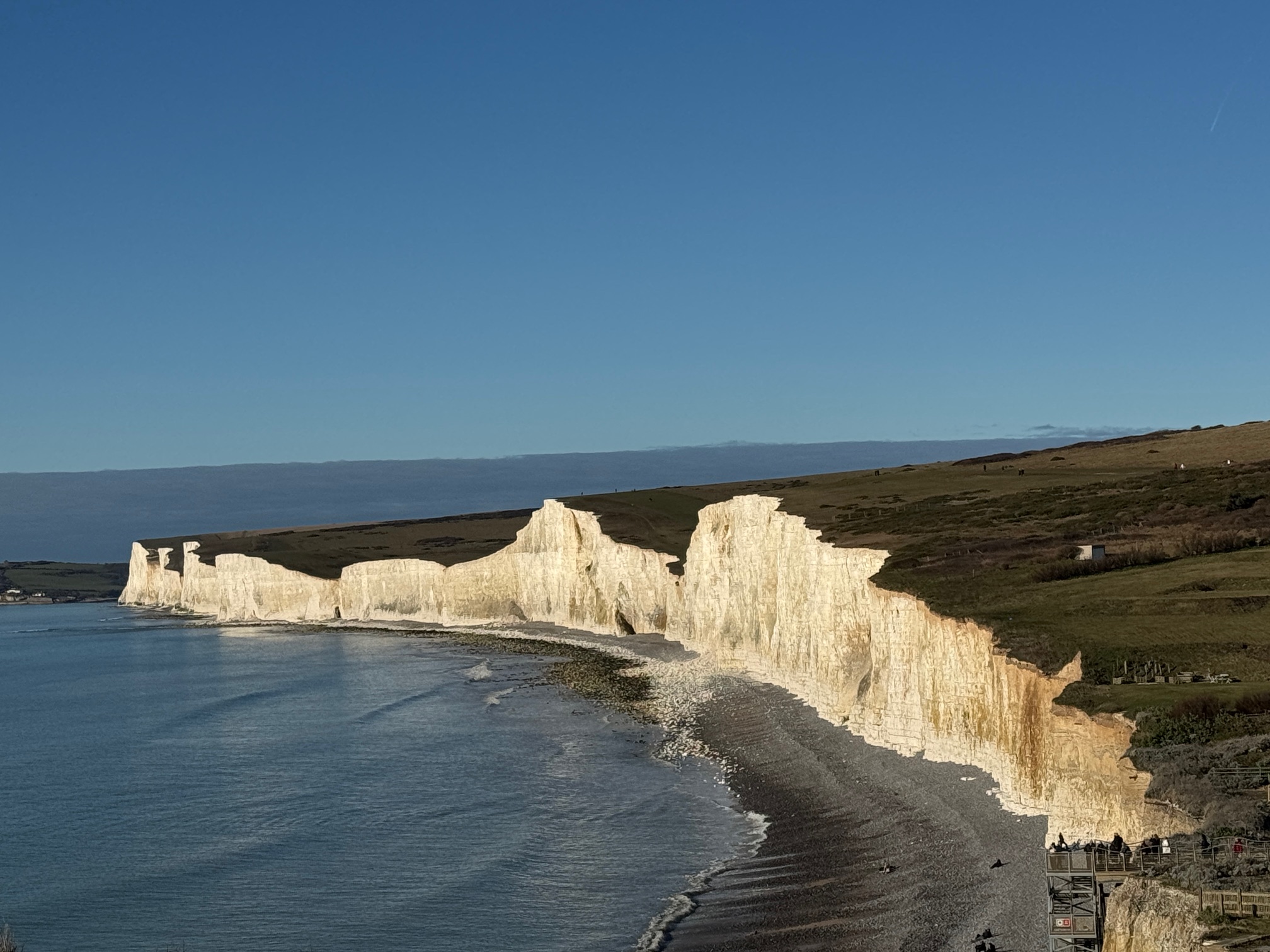
Seven Sisters Wildlife Guide: Birds, Mammals & Rare Species
Seven Sisters Wildlife Guide: Birds, Mammals & Rare Species
Introduction: The Seven Sisters cliffs aren't just a scenic wonder—they're a living habitat for hundreds of species. Over 150 bird species have been recorded here, from rare seabirds to migrant songbirds. Foxes, badgers, and deer roam the grasslands and woodlands. Rare butterflies and chalk grassland plants grow nowhere else. This guide reveals what to look for, where to find it, and how to enjoy wildlife responsibly. Written by local naturalists with decades of observation, every tip is based on real experience.
Understanding the Seven Sisters Ecosystem
The Seven Sisters represents a unique ecosystem where chalk grassland, coastal cliffs, woodland, and river valley converge. This diversity supports an incredible range of wildlife. The chalk itself is crucial: soft, porous, and nutrient-poor, it creates conditions that favour specific plants and animals found nowhere else. The cliffs provide nesting sites for seabirds. The grasslands support rare butterflies and wildflowers. Cuckmere Valley offers wetland habitats. Friston Forest provides woodland shelter. Understanding these different zones helps you know where to look for specific wildlife.
Birds of the Seven Sisters: A Complete Guide
The cliffs and valleys support over 150 bird species. Here's what to expect across seasons:
Cliff-Nesting Seabirds (Year-Round & Spring-Summer Residents)
The chalk cliffs provide perfect nesting sites for seabirds. Many species return to the same ledges year after year.
- Kittiwakes: Nesting on cliff ledges from March to July. Hundreds nest in colonies, calling constantly with their distinctive "kitti-wake" sound. You'll see them returning with small fish (herrings, sprats). The noise and activity peak in April-May during egg-laying. Their colonies are among the most spectacular sights on the Sussex coast.
- Fulmars: Year-round residents gliding along the cliff face with stiff, straight wings. Often mistaken for gulls, they have a distinctive tube-like nostril for salt excretion. Watch them use wind currents to soar without flapping—incredibly graceful.
- Guillemots (Common Murres): Dark, upright seabirds nesting in small colonies on ledges. Surprisingly penguin-like in water, they dive to depths of 30 metres hunting fish. They're vocal during breeding season.
- Razorbills: Similar to guillemots but with stockier bills. Less common but worth watching for during breeding season (April-August).
Raptors & Birds of Prey
- Peregrine Falcons: Britain's fastest bird—capable of 200+ mph during hunting dives (called stoops). You might see them diving at pigeons and other cliff birds. Even if you don't spot the bird, watch for sudden panic among smaller birds as a peregrine hunts. They've nested on the Seven Sisters for decades; sightings are increasingly common since their comeback from near extinction.
- Buzzards: Common raptors soaring on thermal currents. Listen for their distinctive mewing call. Watch for the silhouette—broad wings held in a slight V-shape.
- Sparrowhawks: Smaller, more agile hunters of small birds. Fast, dashing flight through woodland edges.
- Hen Harriers: Occasionally seen quartering over grasslands with distinctive low, hunting flight. Females are brown, males grey—both beautiful hunters.
Grassland & Ground Birds
- Skylarks: Singing high above grasslands, especially in spring and early summer. Their song is one of the most evocative sounds of chalk downland. Males sing while rising vertically, then float down on stiff wings. Populations have declined across Britain, making their presence here special.
- Meadow Pipits: Small, brown, common throughout grasslands. Their "chip-chip" contact calls are heard constantly during breeding season.
- Stonechats & Wheatears: Perched on fence posts and gorse bushes. Stonechats arrive in March-April, wheatears in April. Both are migrants. Both hunt insects from exposed perches. Stunning plumage once you look closely.
- Red-legged Partridges: Occasionally seen running through grassland—colourful birds that prefer to run rather than fly. Much shyer than grey partridges.
- Yellow Wagtails: Summer visitors (April-September) found in grasslands and around water. Males sport striking head patterns.
Woodland & Valley Birds
- Ravens: Large, black, highly intelligent—often seen in pairs. Listen for their deep, croaking calls. Larger than crows, with distinctive diamond-shaped tail feathers. They're playful and sometimes perform aerial rolls and dives.
- Nuthatches: Agile woodland birds that run headfirst down tree trunks—seemingly defying gravity. Found in Friston Forest and woodland edges. Listen for their sharp "chit-chit-chit" alarm calls.
- Great Spotted Woodpeckers: Listen for their drumming sound (rapid repetitive pecking) and distinctive "chick-chick-chick" call. Striking black and white plumage with red under-tail coverts.
- Blackcaps & Garden Warblers: Summer migrants (April-September) with lovely songs but skulking habits—easier to hear than see. Both have beautiful whistling songs.
- Jay, Pheasant, Wood Pigeon: Common woodland residents.
Water Birds (Cuckmere Valley & Marshes)
- Snipe & Redshank: Wetland specialists. Listen for snipe's "chip-chip" alarm and drumming (created by vibrating tail feathers in flight). Redshank identified by red legs and loud "chip-chip-chip" calls.
- Mallard, Teal, Shoveler: Dabbling ducks on wetlands, particularly in winter.
- Great Crested Grebe: Elegant divers with striking head plumes in breeding season.
Migration & Seasonal Rarities
The Seven Sisters lies on major bird migration routes, making spring and autumn particularly exciting for serious birdwatchers.
- Spring (March-May): Swallows, swifts, willow warblers, redstarts, and occasionally redpolls and crossbills. Peak migration mid-May.
- Autumn (August-October): Reverse migration brings the same species plus vagrants from mainland Europe. September is often most productive.
- Rare visitors: Over the years, rarities including hoopoes, lesser spotted eagles, wrynecks, and pied flycatchers have been recorded.
Mammals & Land Wildlife
The grasslands and woodlands support diverse mammal populations. Seeing them requires patience, stealth, and often luck.
Large Mammals
- Foxes: Common but shy, seen most often at dawn and dusk. Red foxes have adapted brilliantly to all habitats. Listen for their distinctive barking calls in autumn (mating season). They hunt rabbits, voles, and small birds. Droppings often contain hair and are deposited on prominent spots.
- Badgers: Nocturnal and shy. Their setts (burrows) are hidden in woodland edges—look for multiple entrances, well-worn paths, and piles of bedding material outside. Droppings contain insects and berries. Sightings are rare but memorable.
- Deer: Roe deer are common in Friston Forest and Cuckmere Valley. Fallow deer are occasionally seen. Early morning is best for deer watching. Males grow antlers in spring; rutting occurs in summer.
Small Mammals
- Rabbits: Everywhere—their burrows dot the chalk slopes. Population numbers fluctuate, but you'll see many during warm months.
- Brown Rats, Voles, Shrews, Field Mice: Common but rarely seen. Watch for them rustling in grass or scurrying across paths at dusk.
- Hedgehogs: Nocturnal. Less common than historically but still present. Listen for snuffling at night.
Rare & Protected Species
The Seven Sisters is home to several rare and protected species worth specifically seeking out.
Butterflies & Insects
- Adonis Blue Butterfly: A chalk grassland specialist, seen from May to September. Males are bright electric blue. Critically dependent on horseshoe vetch. One of Britain's rarest and most beautiful butterflies.
- Other Butterflies: Marbled White, Common Blue, Chalkhill Blue, Brimstone, Peacock, Red Admiral.
- Rare Beetles & Insects: Several protected species depend on chalk grassland and specific plants.
Amphibians & Reptiles
- Great Crested Newts: Protected amphibians in pond habitats near Exceat. Listed as legally protected in the EU.
- Common Frogs & Toads: Found around wetlands and marshes.
- Slow Worms: Not snakes but legless lizards—found under rocks and logs. Completely harmless.
- Adders & Grass Snakes: Both found here but rarely seen. Adders are Britain's only venomous snake but not aggressive.
Best Wildlife Watching Spots
- Birling Gap: Cliff ledges for seabirds, beach for rockpool creatures, grasslands for downland birds.
- Cuckmere Haven: Riverside for ducks and warblers, marsh for snipe and redshank, beach for shorebirds.
- Friston Forest: Mammals (deer, badgers), woodland birds (nuthatches, woodpeckers), butterfly orchards in spring.
- Seaford Head: Panoramic views, rare migrant birds during spring and autumn, wildflowers attracting insects.
Seasonal Wildlife Calendar & Peak Times
- Spring (March-May): Migrant birds arrive by tens of thousands. Wildflowers bloom, attracting insects. Deer rutting ends. Seabirds return to cliffs. Best time for volume and variety.
- Summer (June-August): Peak bird nesting. Butterflies at their best. Insects abundant. Mammals active at dawn and dusk. Quieter than spring—birds are silent while breeding.
- Autumn (August-October): Bird migration in reverse. Mushrooms and fungi appear. Deer begin rutting. Insect numbers decline. Second-best migration season after spring.
- Winter (November-February): Quieter but rewarding. Seabirds move offshore. Winter visitors arrive from northern Europe (redpolls, waxwings). Mammals more active. Best for dedicated watchers.
Wildlife Watching Techniques & Equipment
- Binoculars (8x42 or 10x42): Essential for seabirds and distant raptors.
- Camera with zoom lens: Telephoto 300mm+ ideal.
- Field guides: Invest in good bird, mammal, and insect guides.
- Timing: Early morning (first 2-3 hours after sunrise) is best for all wildlife. Evening also productive.
- Movement: Move quietly, slowly, and predictably. Sudden movements scare wildlife.
- Clothing: Wear natural colours (greens, browns) to blend in. Dark clothing stands out.
- Weather: Calm, overcast days often better than sunny days (animals more active, light easier on eyes).
Responsible Wildlife Watching
- Never disturb nests, young birds, or burrows—illegal and harmful.
- Keep dogs on leads near wildlife. Off-lead dogs disturb birds and flush mammals.
- Take all litter home—plastic and food waste harm animals. See choked birds and otters regularly.
- Report rare sightings to local conservation groups (Sussex Wildlife Trust, British Trust for Ornithology).
- Stay on paths to protect habitat and prevent erosion.
- Use natural light; avoid flash for photography—it stresses animals.
- Respect closures during nesting season.
Local Conservation Efforts & Getting Involved
The Seven Sisters is managed by the National Trust and local wildlife groups. Volunteers monitor rare species, restore habitats, and run educational events. Organizations like Sussex Wildlife Trust lead guided walks and offer training courses. Consider joining a local group to contribute to conservation while deepening your knowledge. Beach cleans and habitat restoration days are regularly organized.
FAQ: Seven Sisters Wildlife
- Can I see dolphins? Occasionally. Harbour porpoises are more common. Look offshore in summer with binoculars.
- Are adders dangerous? Adders are venomous but not aggressive. Snake bites are rare and treatable.
- What's the best time for birdwatching? Spring (March-May) for migrants and diversity. Autumn good but less reliable.
- Are there guided wildlife walks? Yes. National Trust and Sussex Wildlife Trust offer regular events.
- Can I photograph protected species? Yes, for personal use. Commercial photography requires permits.
- What should I do if I find an injured animal? Contact local wildlife rescue or veterinary emergency clinic.
Conclusion
The Seven Sisters is a living landscape—every visit brings wildlife surprises. Over 150 bird species, rare mammals, butterflies, and plants make this one of Sussex's most biodiverse locations. Whether you're a seasoned naturalist or casual walker, invest in good binoculars, move quietly, arrive early, and keep your eyes open. The wild side of Sussex's most iconic cliffs awaits discovery.
Related Guides
Explore More Seven Sisters Guides:
- 🚶 Best Beginner Walking Routes – Ideal paths for observing wildlife safely
Additional seasonal and specialty guides launching March-June 2026.