We Photographed the Cuckmere Meander Until We Got It Right: Only a Handful Were Any Good
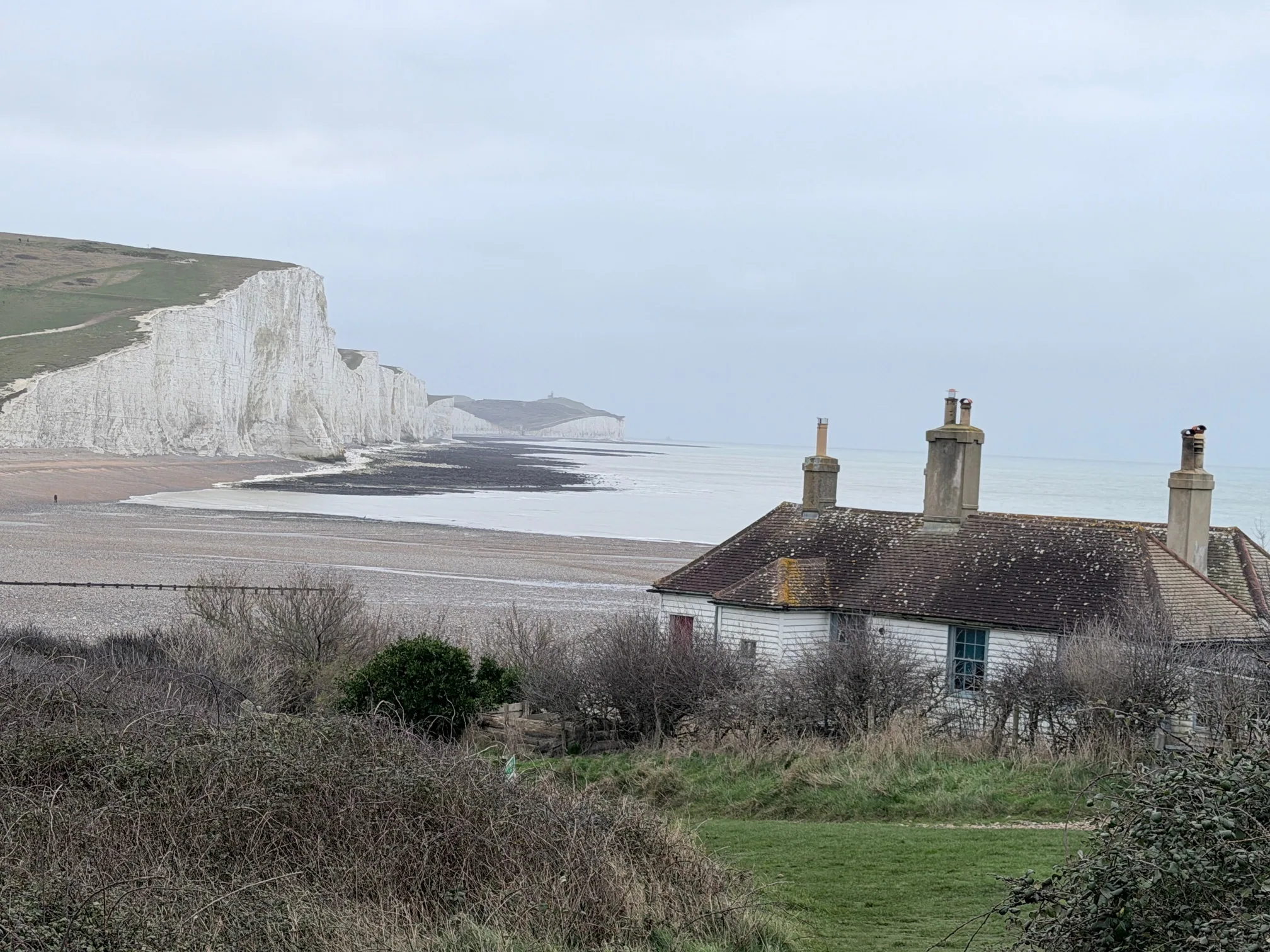
The Cuckmere meander is on every Seven Sisters postcard, every National Trust brochure, half the travel supplement photos of East Sussex. It is genuinely one of the most photographed river views in England. And yet, when most visitors stand in front of it and raise their phone, they come away with a photo of brown water and some grass.
We've been there. We did it ourselves at first. Then we started actually analysing why our shots looked nothing like the postcard — and the answer, embarrassingly, was simple. We were in completely the wrong place.
The Problem: Valley Floor vs Ridge
The Cuckmere meander gets its drama from the oxbow loops — the enormous curves the river makes as it winds toward the sea. From the valley floor path, walking beside the river, you cannot see those loops. You're in them. The water is beside you, the grass ahead of you, and the whole visual geometry that makes the shot famous is invisible because you don't have the elevation to see it.
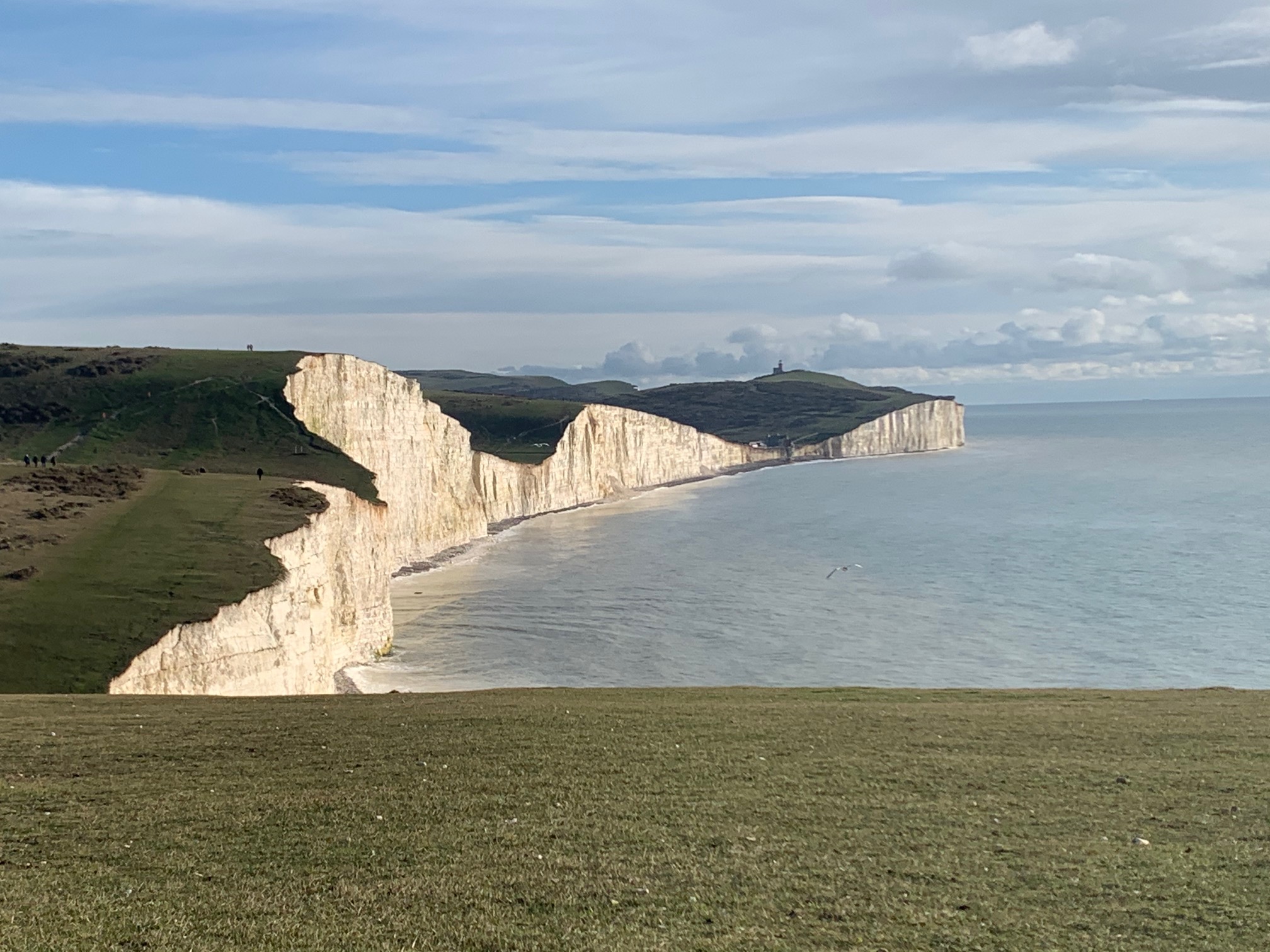
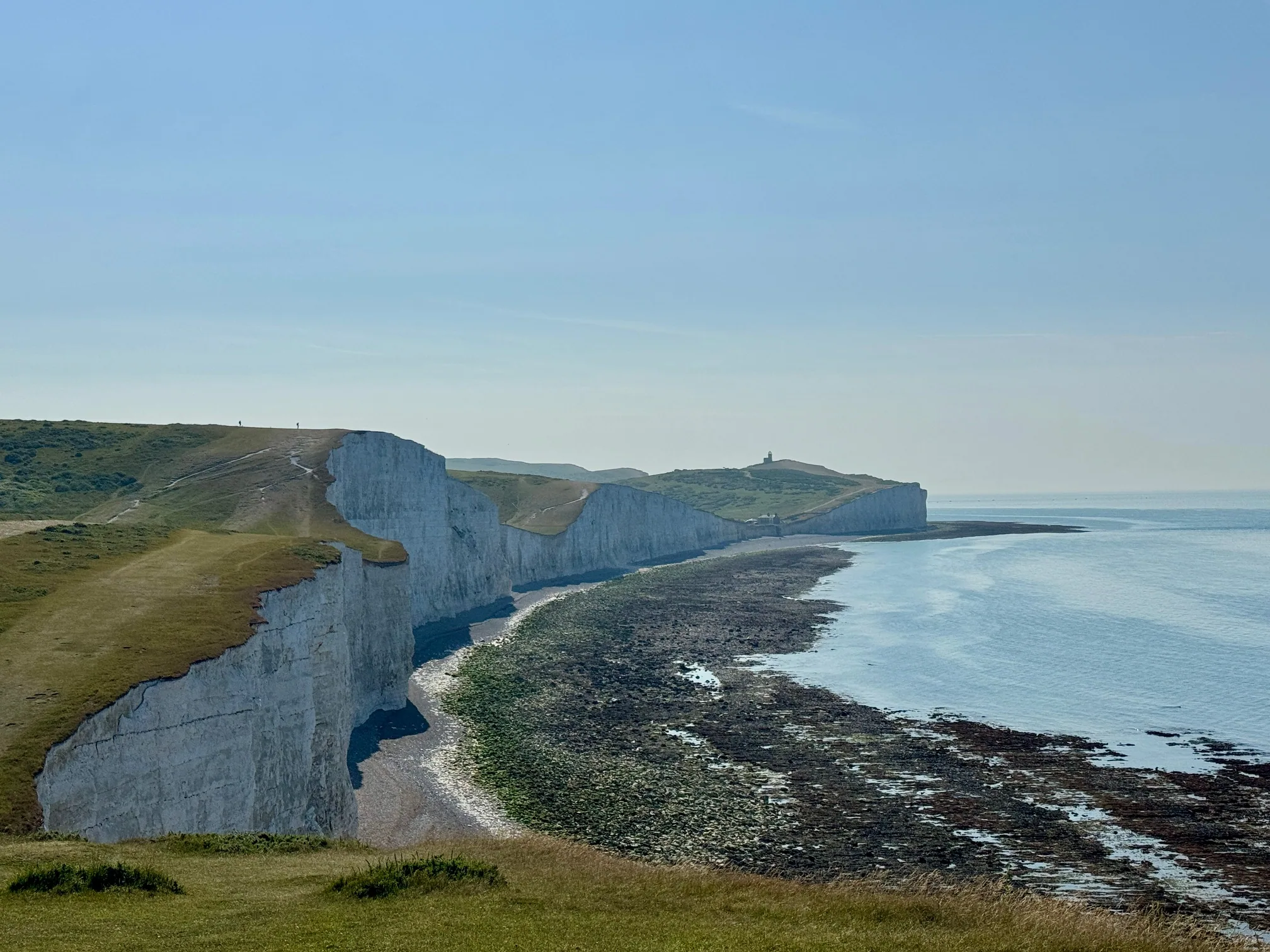
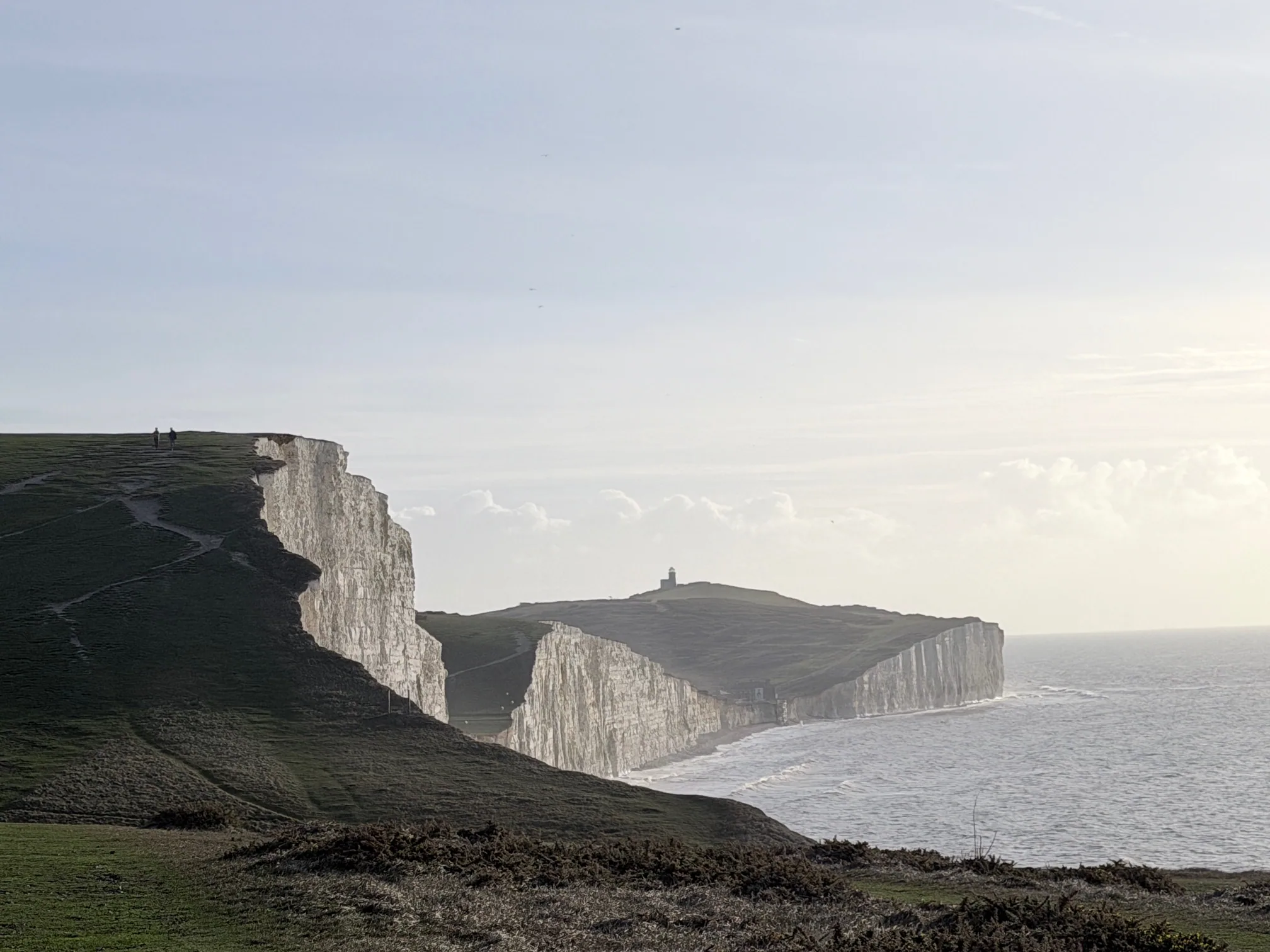
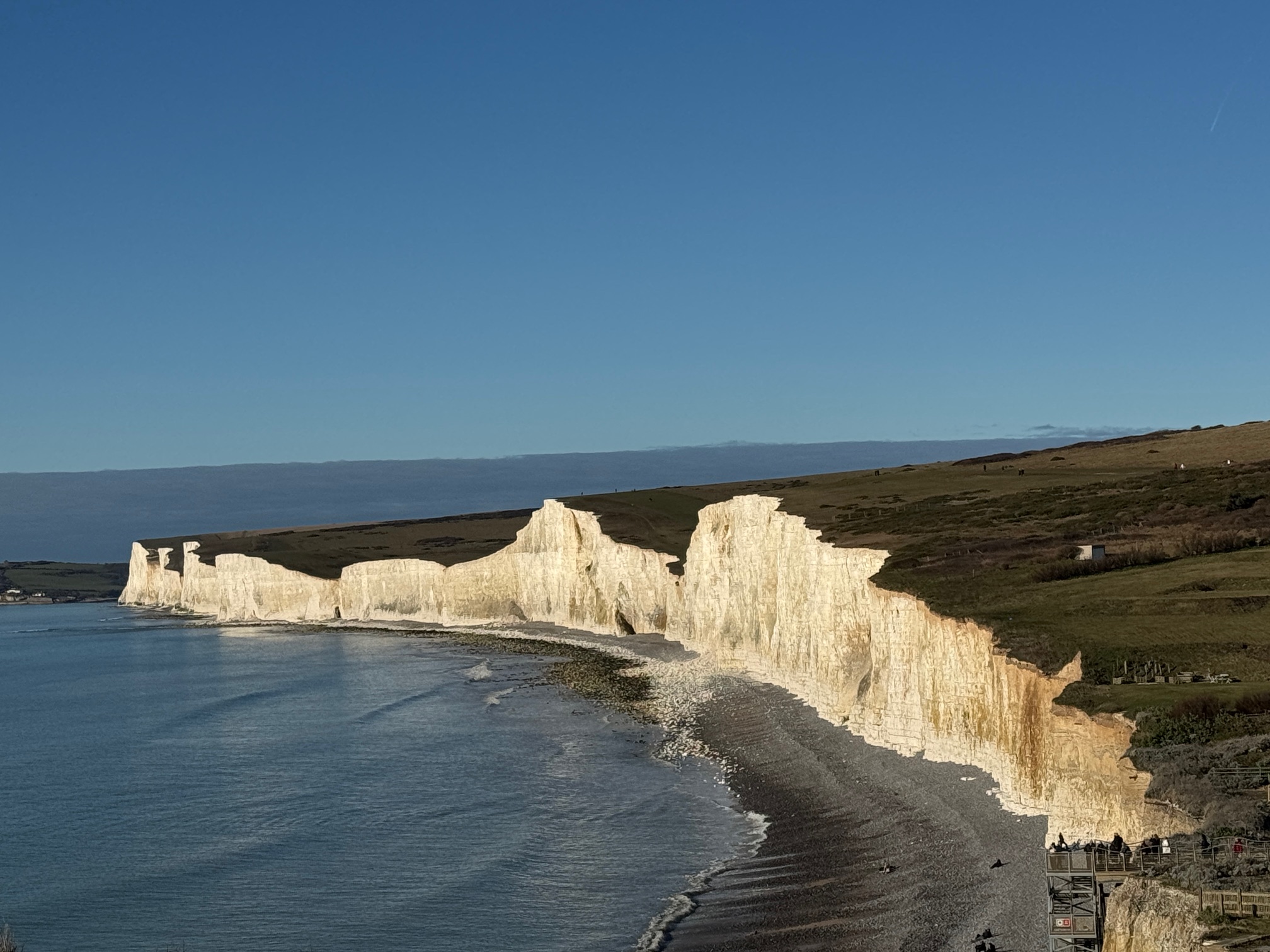
The postcard photo — the one everyone recognises — is taken from the western ridge path, looking northeast, roughly 60 metres above the valley floor. From up there, the full oxbow is visible. The river curves away from you in a long sweep, the sea glitters beyond it, and the Seven Sisters line up behind. From the valley floor, you get a flat, brown river with reeds.
This is not an obscure piece of local knowledge. It's on the map. But the map doesn't tell you that the valley floor path is signposted and obvious, while the ridge path requires a 20-minute climb that most visitors — especially those who've driven from London — don't immediately feel motivated to do.
The 37 Bad Shots
Of our many documented attempts at a decent Cuckmere meander photo, the large majority either weren't taken from the ridge, or were taken from the ridge at the wrong time of day. Here's the breakdown:
11 shots from the valley floor. These are technically fine — in focus, properly exposed. Completely useless. Brown water, flat perspective, no sense of the landscape.
14 shots from the ridge path, midday. Better framing, you can see the loops, but the light is overhead and flat. The chalk looks grey rather than white, the sea looks dull, the whole thing lacks contrast. The shot works but it doesn't sing.
12 shots from the ridge in good light, wrong season. Autumn and winter light can be excellent, but the grass turns brown and the visual impact drops significantly. The postcard look requires green downland — which means spring or early summer.
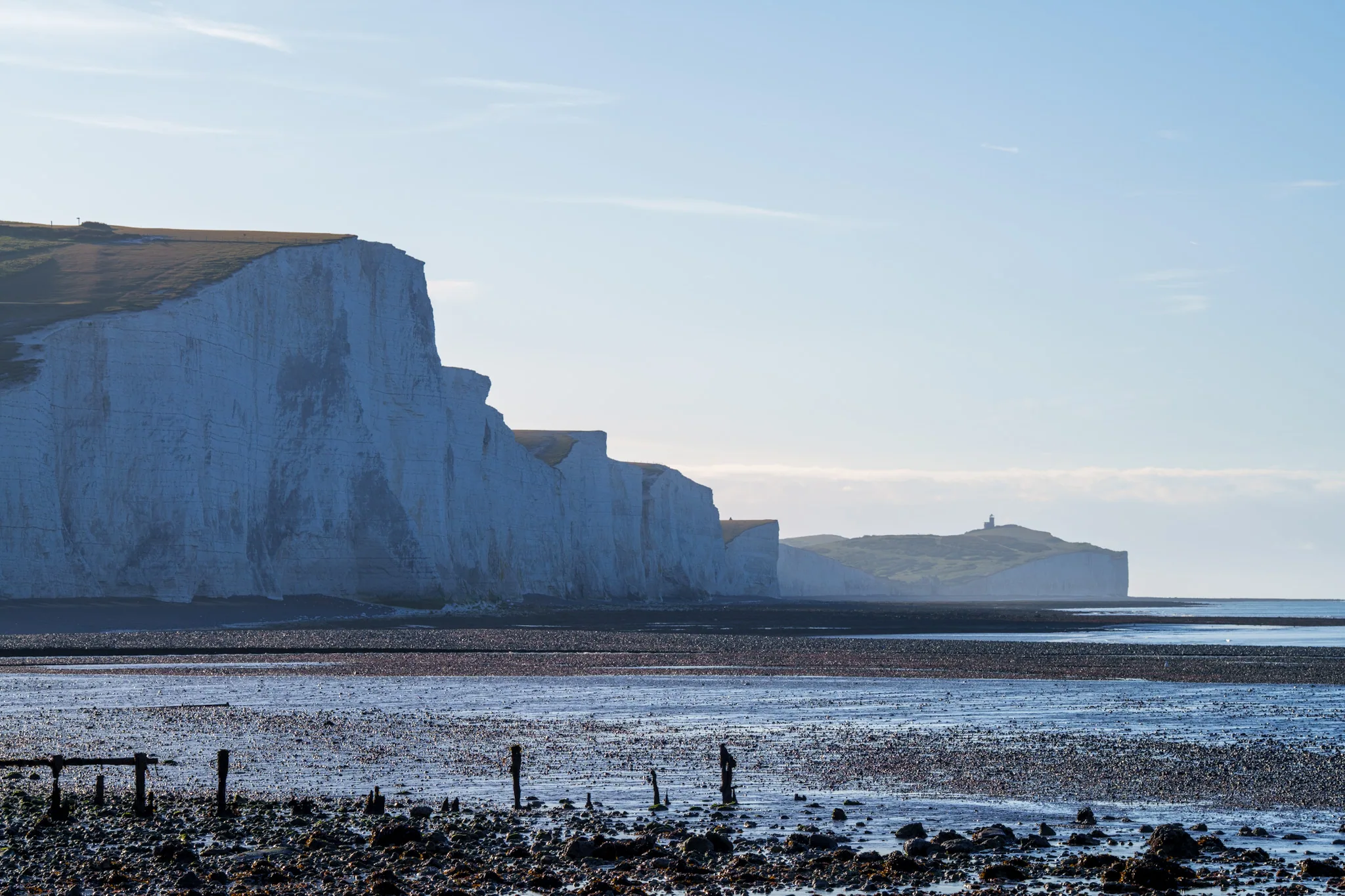
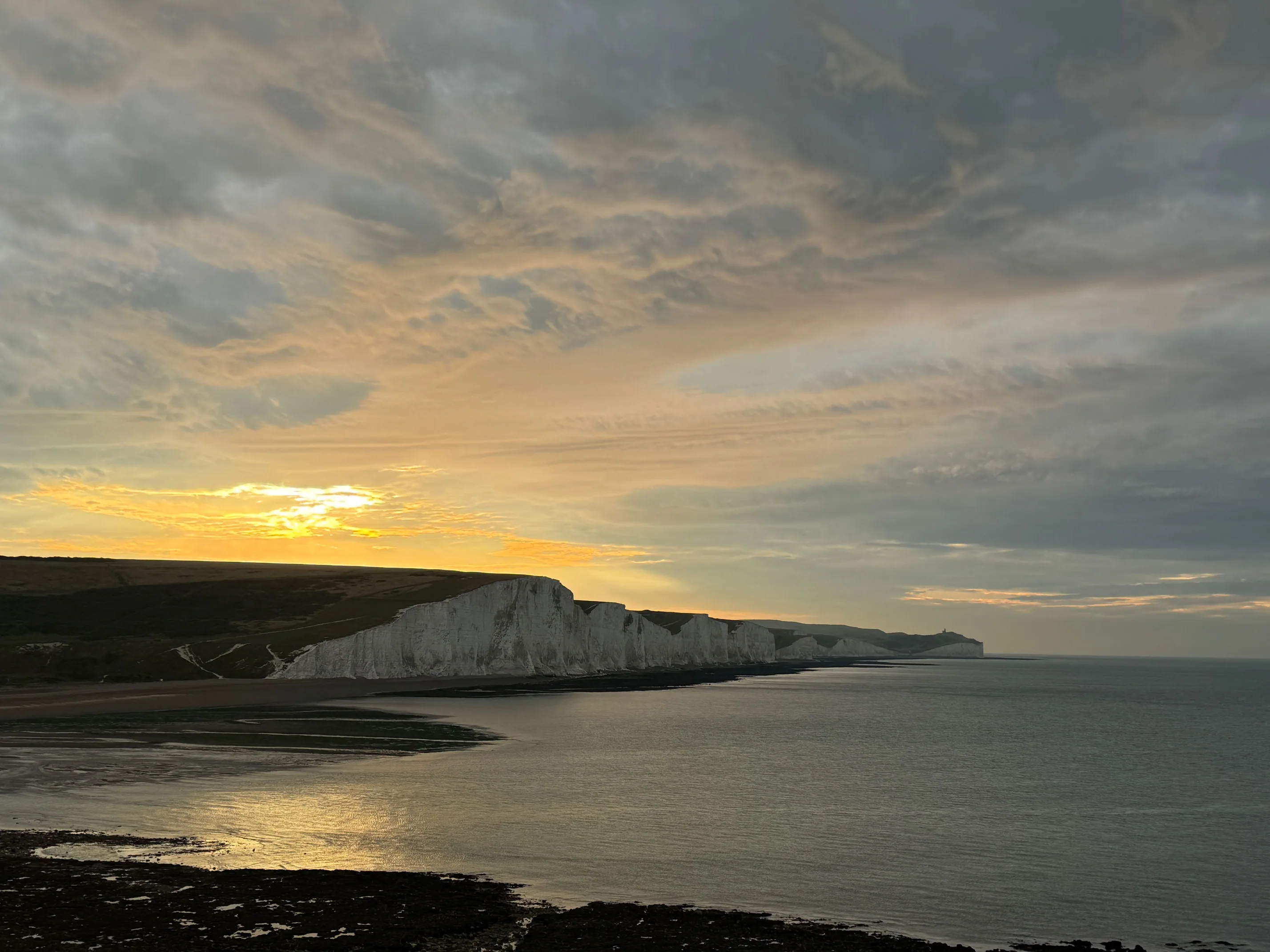
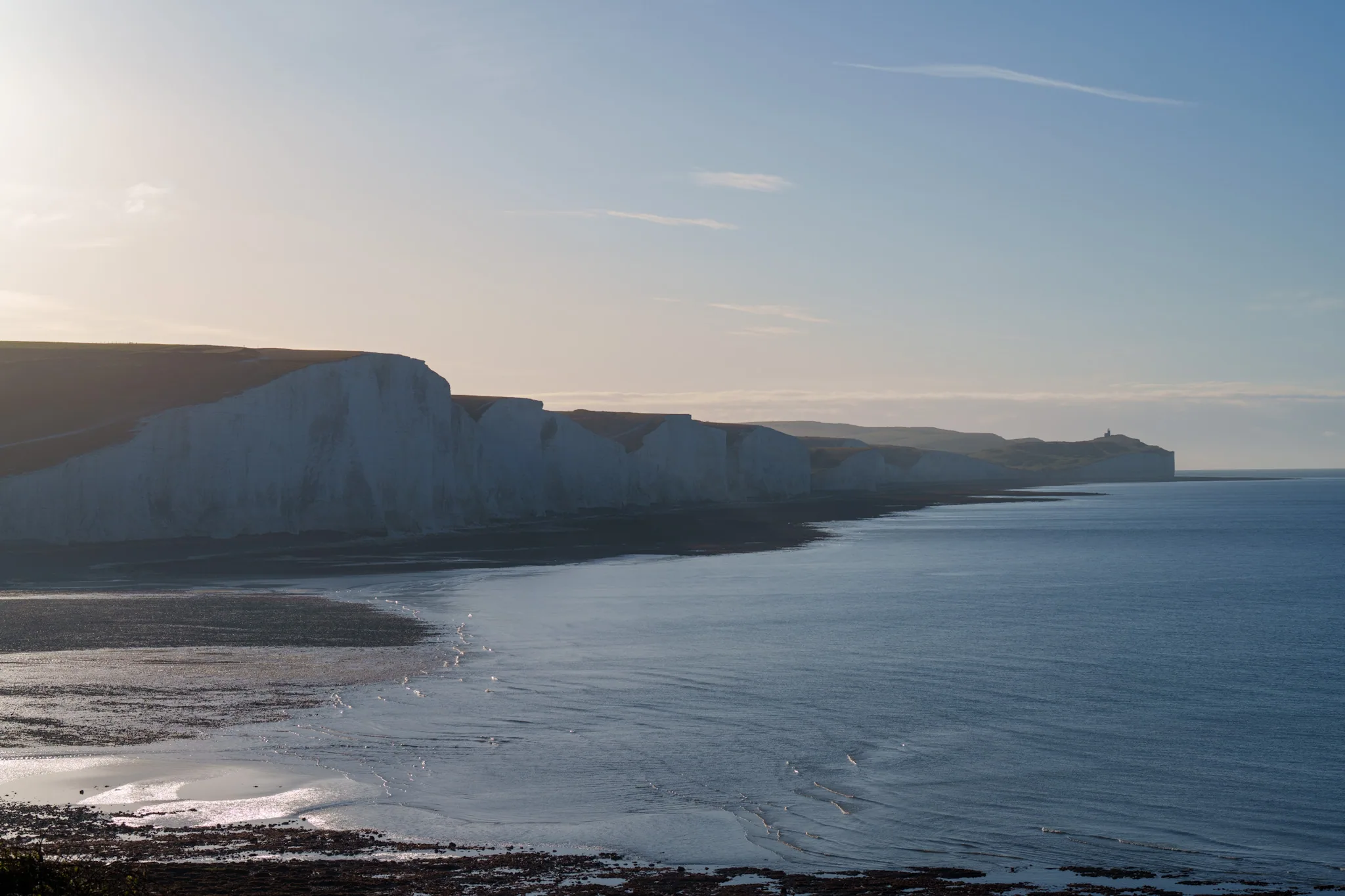
3 shots that actually worked. All taken from the ridge, facing northeast, in the 45 minutes before sunset in May or June, when the low-angle light catches the water surface and turns the chalk cliffs to the southwest from white to amber. The meander catches the gold. The Seven Sisters are lit from the side. The sea goes deep blue. That's the shot.
The Three Things You Need to Align
Position: Western ridge path, looking northeast. Leave the valley floor and climb — 20 minutes of steady ascent from the visitor centre car park. You need to be at approximately 55 metres elevation to see the full oxbow loop.
Season: April through early July. Green downland. The grass turns dry and pale in August. After September it's still beautiful but a different shot.
Light: Late afternoon, 2–3 hours before sunset. Morning light hits from behind you and flattens everything. Evening light comes from the southwest, catches the water surface at an angle, and creates the reflections that make the shot work. In June, that's roughly 6pm–9pm.
Exactly Where to Stand
From the Seven Sisters Country Park visitor centre at Exceat, take the bridleway heading west along the south side of the A259. After about 400 metres, turn south onto the footpath that climbs the ridge. Follow it uphill for 15–20 minutes until you clear the ridge crest and can see the coast.
You're looking for the point where the full river meander is visible below you to your right (northeast), with the sea visible beyond it and the cliff line of the Seven Sisters rising to the southwest. There's no single marked viewpoint — you may need to walk 50 metres in either direction along the ridge to find the angle where the oxbow loops open up fully.
The clearest visual cue: when you can see both the upper and lower bends of the river simultaneously, with the estuary visible beyond, you're in the right place. From the valley floor, you can never see both bends at once.
What most people do instead: Park at Exceat, walk the river path to the beach, take a photo of the water from beside it, and wonder why it doesn't look like the photos online. The ridge takes 20 minutes extra and requires actual effort. The payoff is the difference between a record shot and the one that justifies the trip.
What Changes by Season
April–June: The green downland makes the ridge itself a subject — bright grass, white chalk edge, blue sea. The meander sits in a bowl of vivid colour. This is the postcard season.
July–August: Still worth doing, but the grass dries out and the downland turns pale. The meander is still visible, the views are still good, but the colour contrast drops. Also, the best evening light falls later (sunset after 9pm) which suits committed photographers but may not suit everyone.
September–October: Excellent golden light, lower sun angle for longer each day, some colour returning to the grass after summer. The shots look different — warmer, more atmospheric — but the meander is still clearly visible and the crowds have mostly gone.
November–March: Moody, atmospheric, often dramatic. But the light is weaker, the colour palette is muted, and the oxbow loops are sometimes partially flooded, which changes the visual composition. Not the postcard, but its own kind of image.
One More Thing: Morning Light Is Wrong
The ridge faces roughly northeast. Morning light comes from the east — directly behind the meander from this angle — which means you're shooting into the light or across it, and the water surface doesn't catch gold the way it does in the evening. Most people plan to "get there early for good light." For this specific shot, early light is the wrong light. The shot is an evening shot.
If you're set on a morning visit, the best position shifts. From the eastern ridge path — approaching from Seaford Head — you can catch morning light on the western face of the cliffs. Different shot, different subject, but the light works better from that angle in the AM.
Cuckmere Meander Photography Checklist
- Climb the ridge: Valley floor shots don't work. 20 minutes of climbing is not optional.
- Come in April–June: Green grass is the background that makes the shot.
- Arrive mid-afternoon: Be on the ridge 2–3 hours before sunset. The shot improves every 30 minutes as the light drops.
- Find the angle: Walk the ridge until both meander bends are visible simultaneously. Don't stop at the first view.
- Check the tide: At high tide the estuary is fuller and reflects more sky, which often looks better. At extreme low tide it can look muddy. Check before going.
- Stay late: The best 10 minutes are the last 10 before the sun drops. Most people leave before this happens.
More Seven Sisters Photography Guides
For the Hope Gap viewpoint — a quieter alternative to the Seaford Head crowds — see our Hope Gap guide. For the Cuckmere walk itself, see our Cuckmere Valley circular route.
Planning the walk itself?
Four routes run along these cliffs and they are not interchangeable — a flat 3km riverside stroll, the classic 6.5km Exceat to Birling Gap crossing, a short Birling Gap loop, and the full 21.9km Seaford to Eastbourne ridge. Compare distance, ascent and difficulty before you pick one.
- Easy Birling Gap Short Loop 2 km 45 min
- Easy Cuckmere Haven Beach 3 km 1 hour
- Moderate Exceat to Birling Gap 6.5 km 2-3 hours
- Challenging Seaford to Eastbourne 21.9 km 6-7 hours
We may earn a small commission on bookings made through this link, at no extra cost to you. More info.
£4.99 · 24-page PDF · Instant download
The Seven Sisters Ultimate Guide
The complete 24-page companion built from first-hand walks — every cliff, all four graded routes, tide windows and a parking strategy. Designed to work offline, right on the cliff top.
- All 7 cliffs — heights, geology & viewpoints
- Four graded walking routes, compared
- Tide windows, light calendar & day plans
- Parking strategy & seasonal planner
Just want the basics? Download the free 2-page walk guide
Want an expert-led Seven Sisters tour?
From guided cliff walks and wildlife safaris to geology hikes and photography tours — explore all our curated experiences with local guides.