Why I Refuse to Walk the Seven Sisters in July Without Leaving Before 8am
I want to be clear that this is not a suggestion. It is a rule I have applied every July for four years, developed after watching the same thing happen repeatedly: brilliant clear morning wasted by arriving 90 minutes too late, and a walk that should have been magnificent turning into a crowded, hot, slightly irritating experience that could have been avoided with a slightly earlier alarm.
The Seven Sisters in July are genuinely spectacular. They're also genuinely busy. The difference between the two versions of the same walk — 7:30am versus 10:00am — is so large that they barely feel like the same place.
What the Ridge Looks Like Before 8am in July
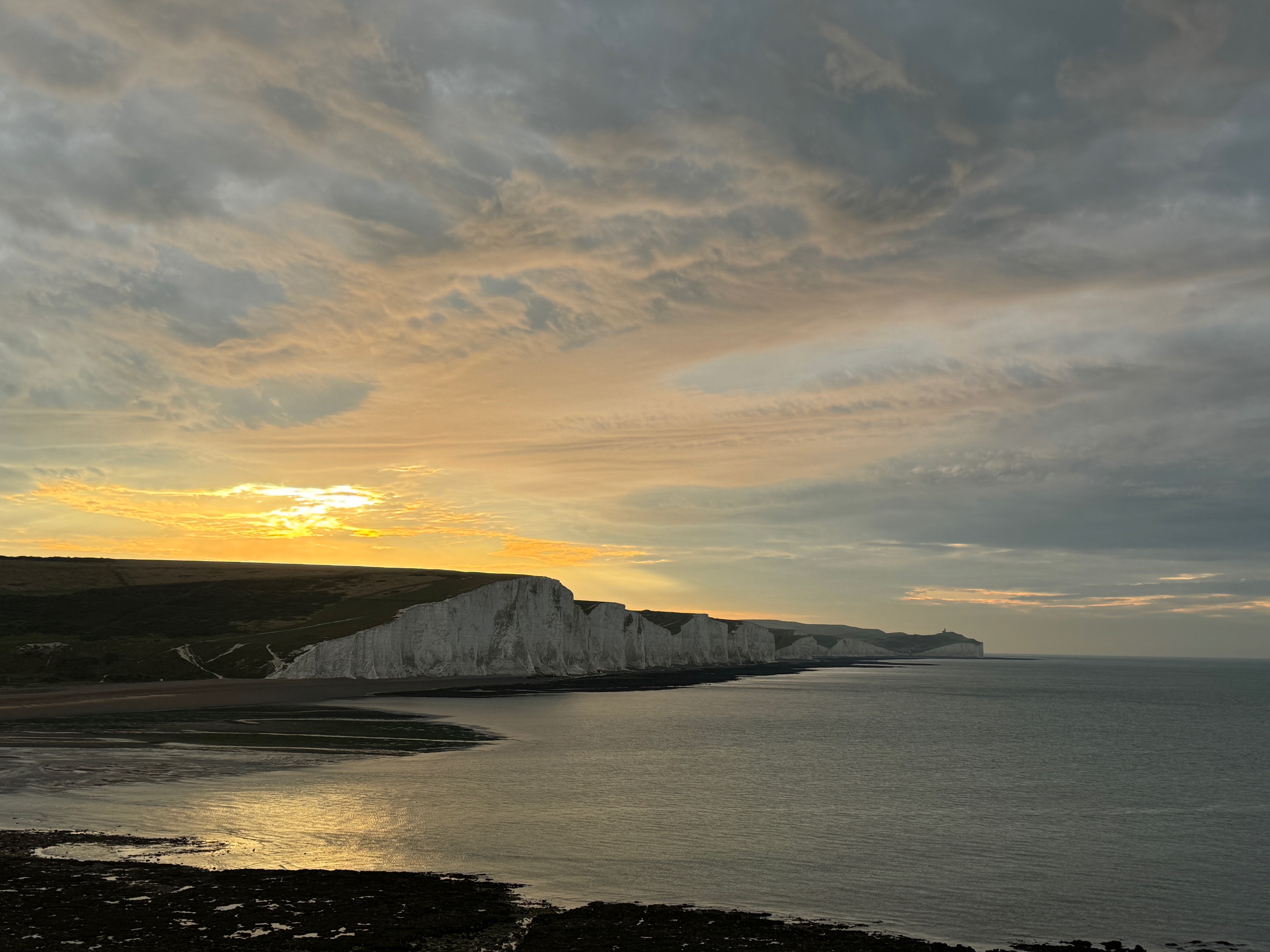
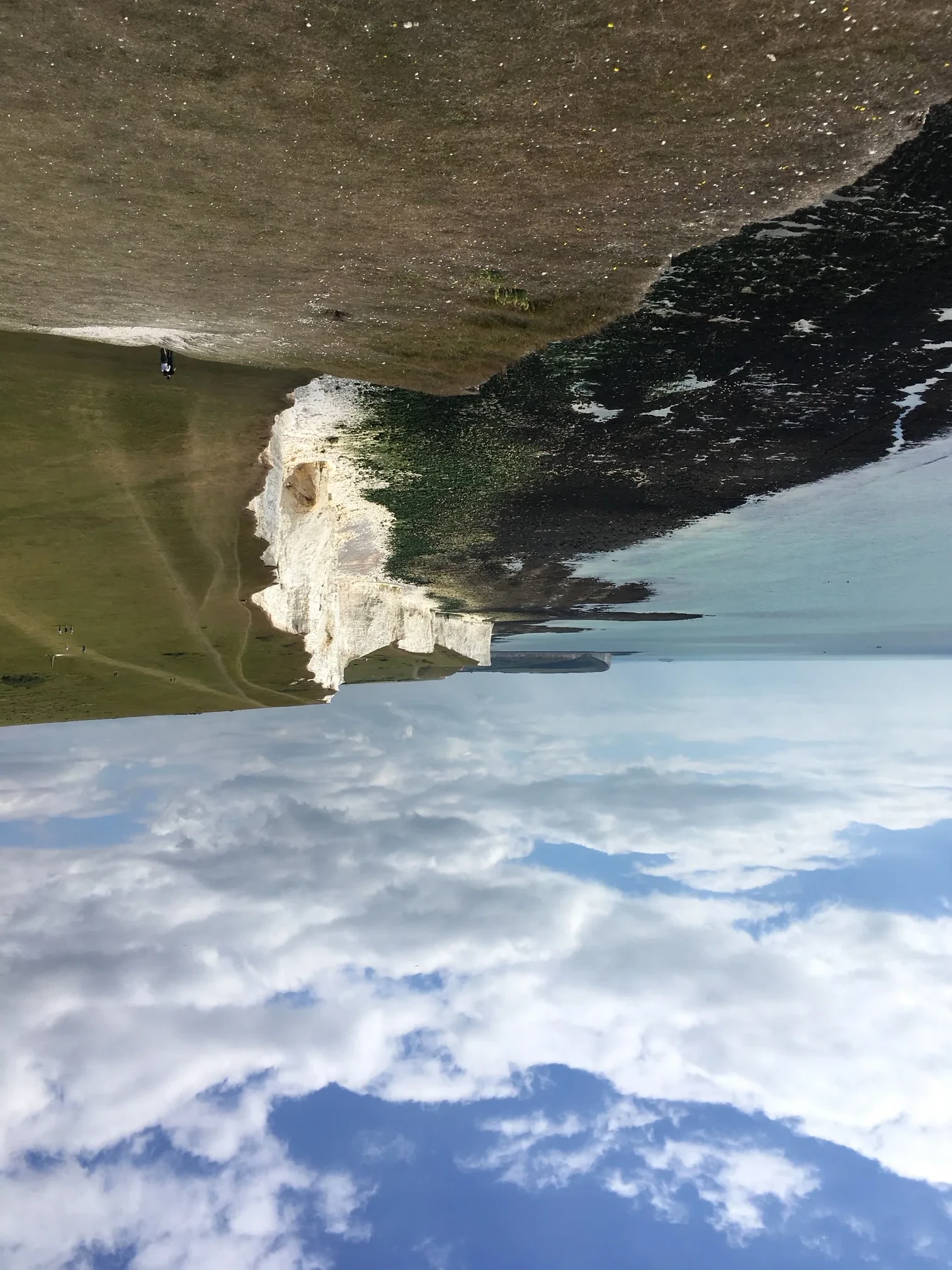
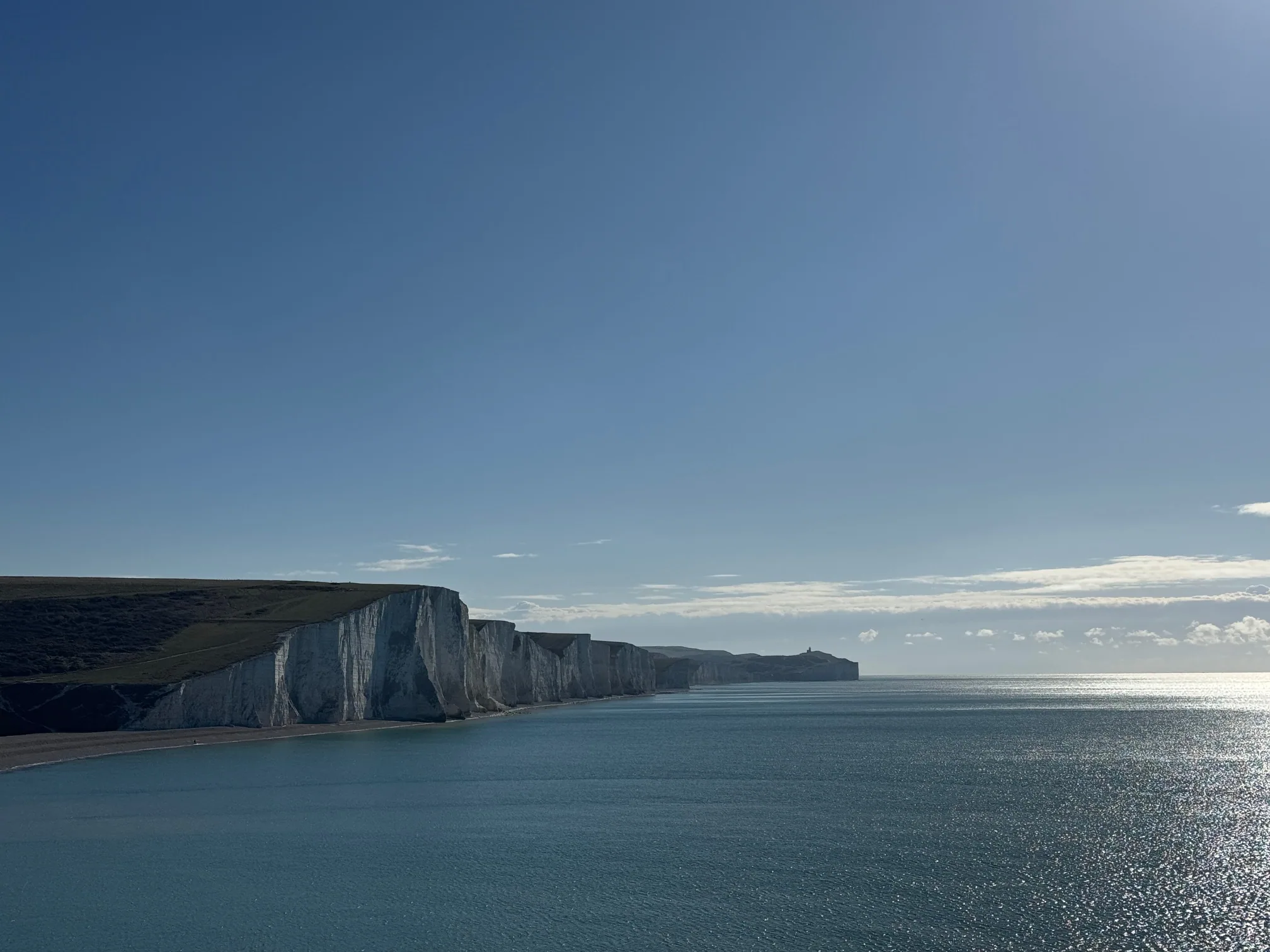
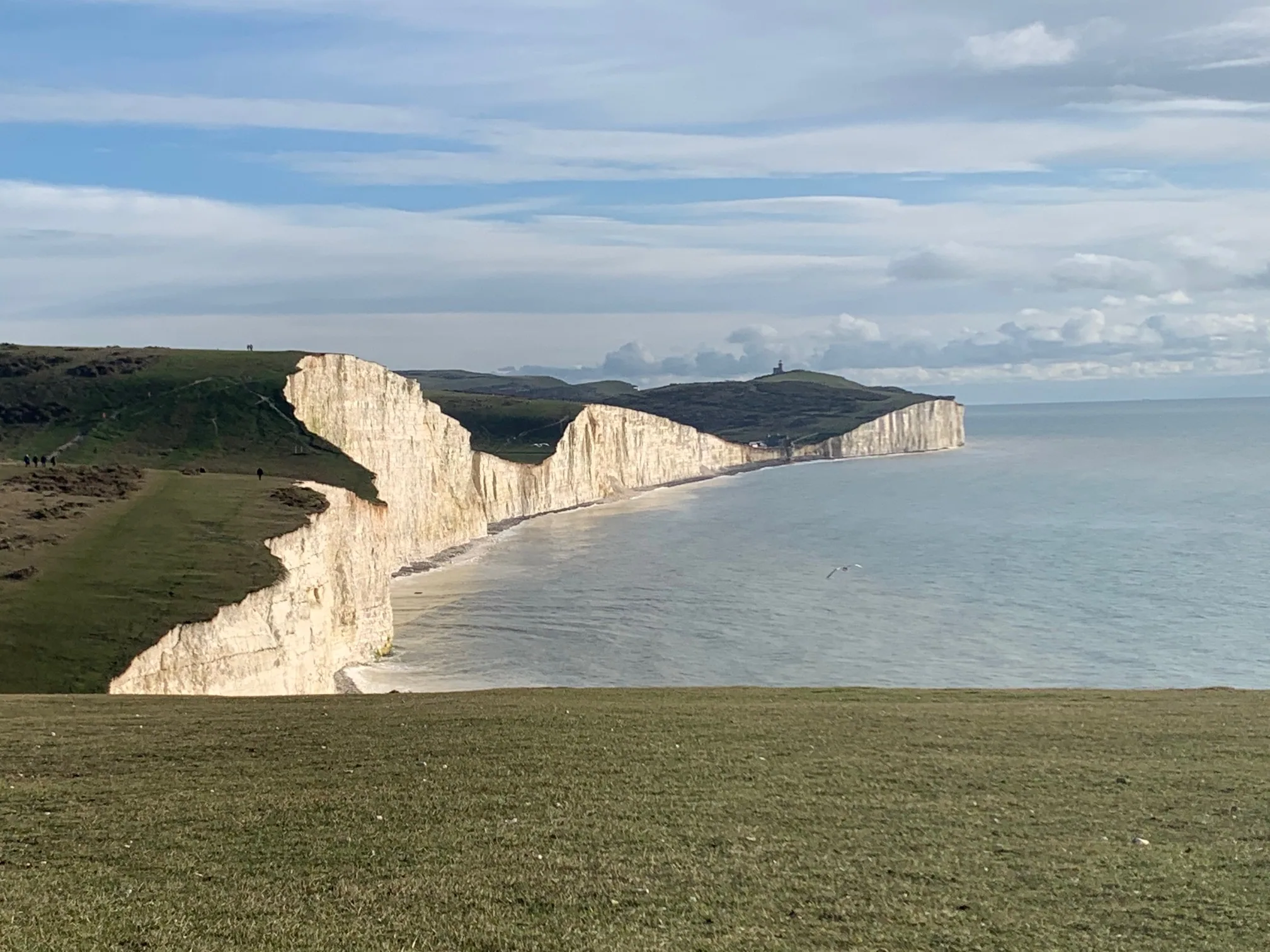
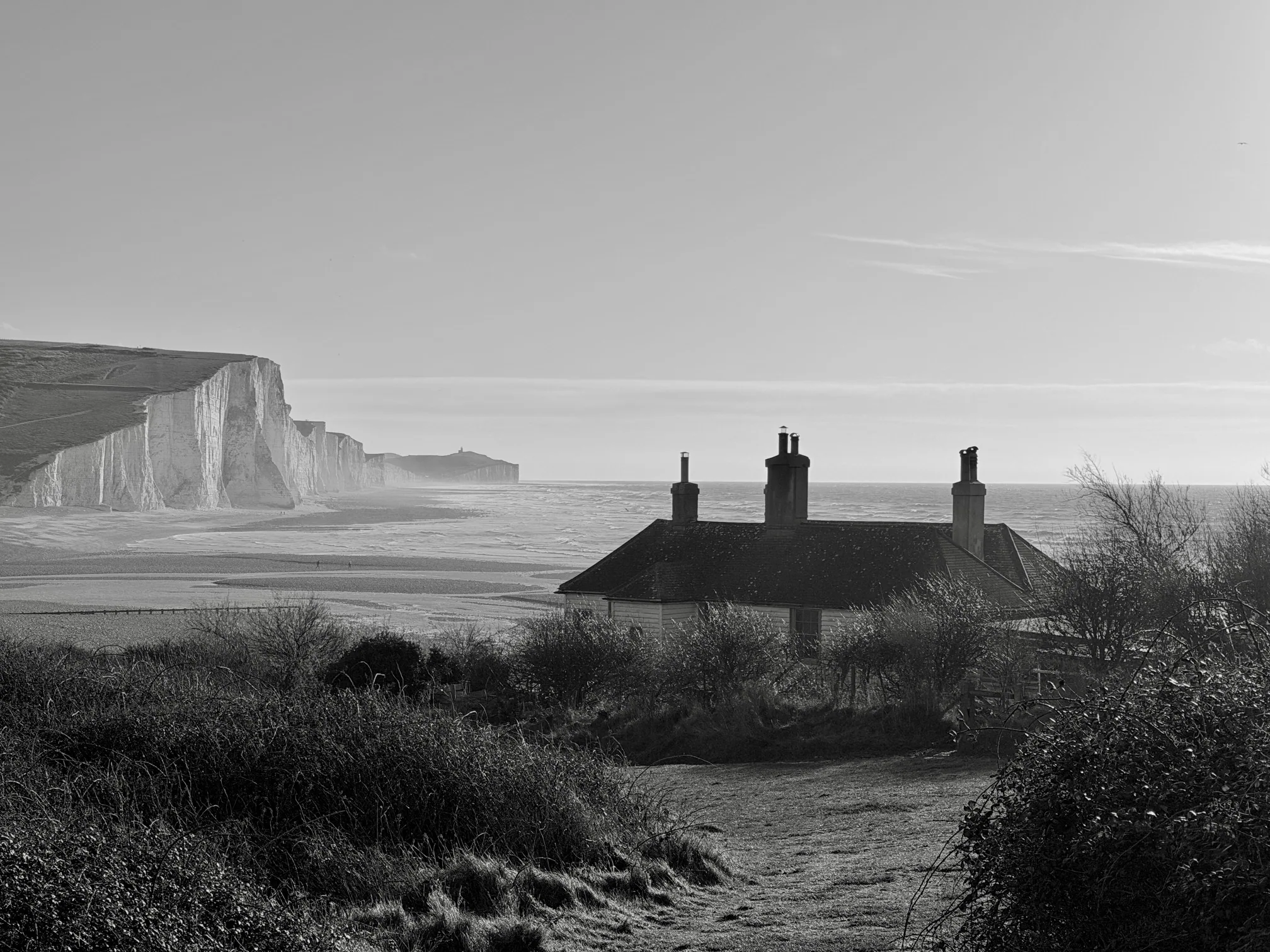
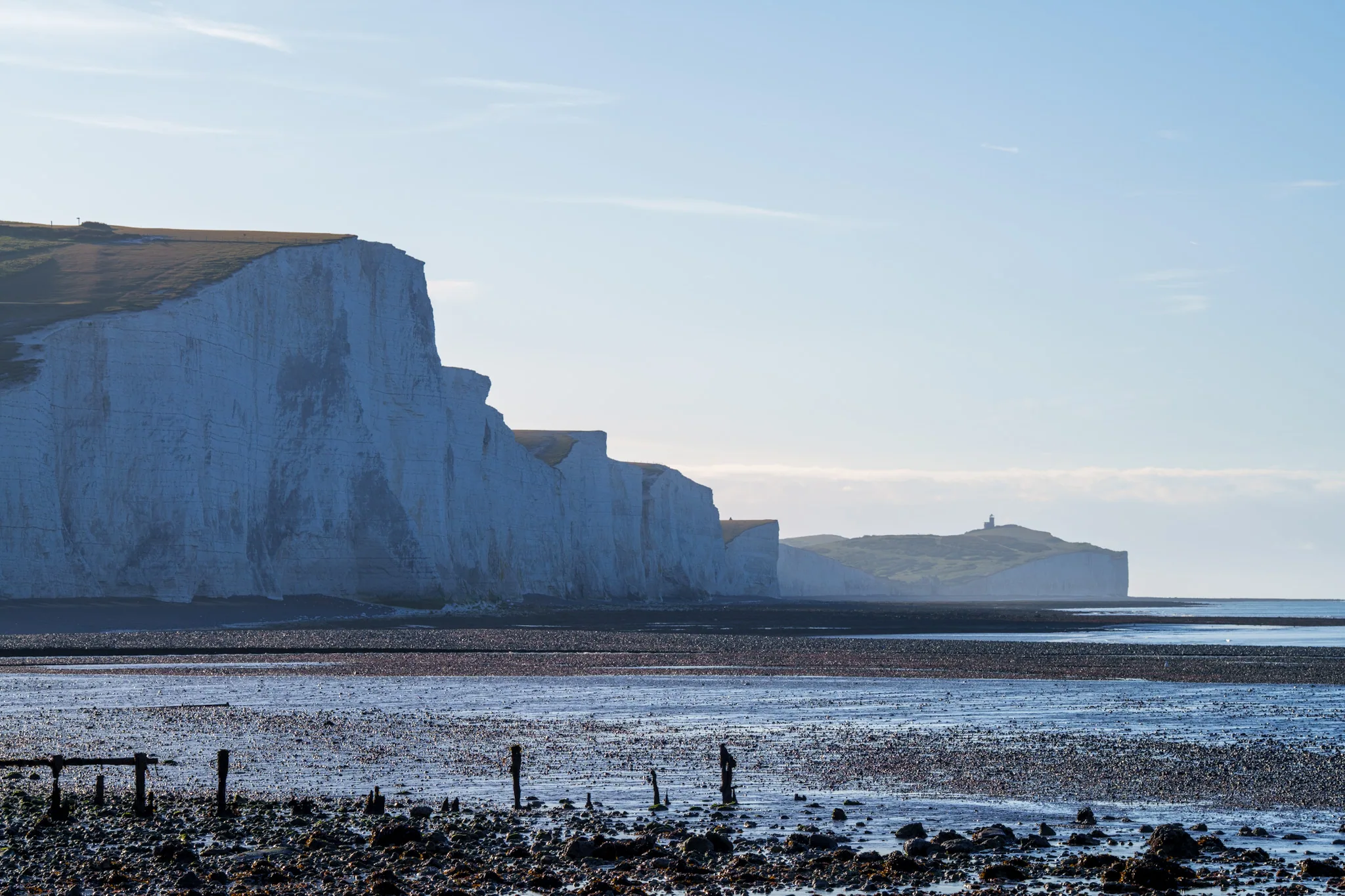
Sunrise in July at Seven Sisters is between 4:48am and 5:05am depending on the date. By 7:30am the sun is already up and the light is still low-angle — casting long shadows across the chalk downland, picking out the texture of the grass, hitting the cliff faces at an angle that makes the white chalk glow rather than bleach out.
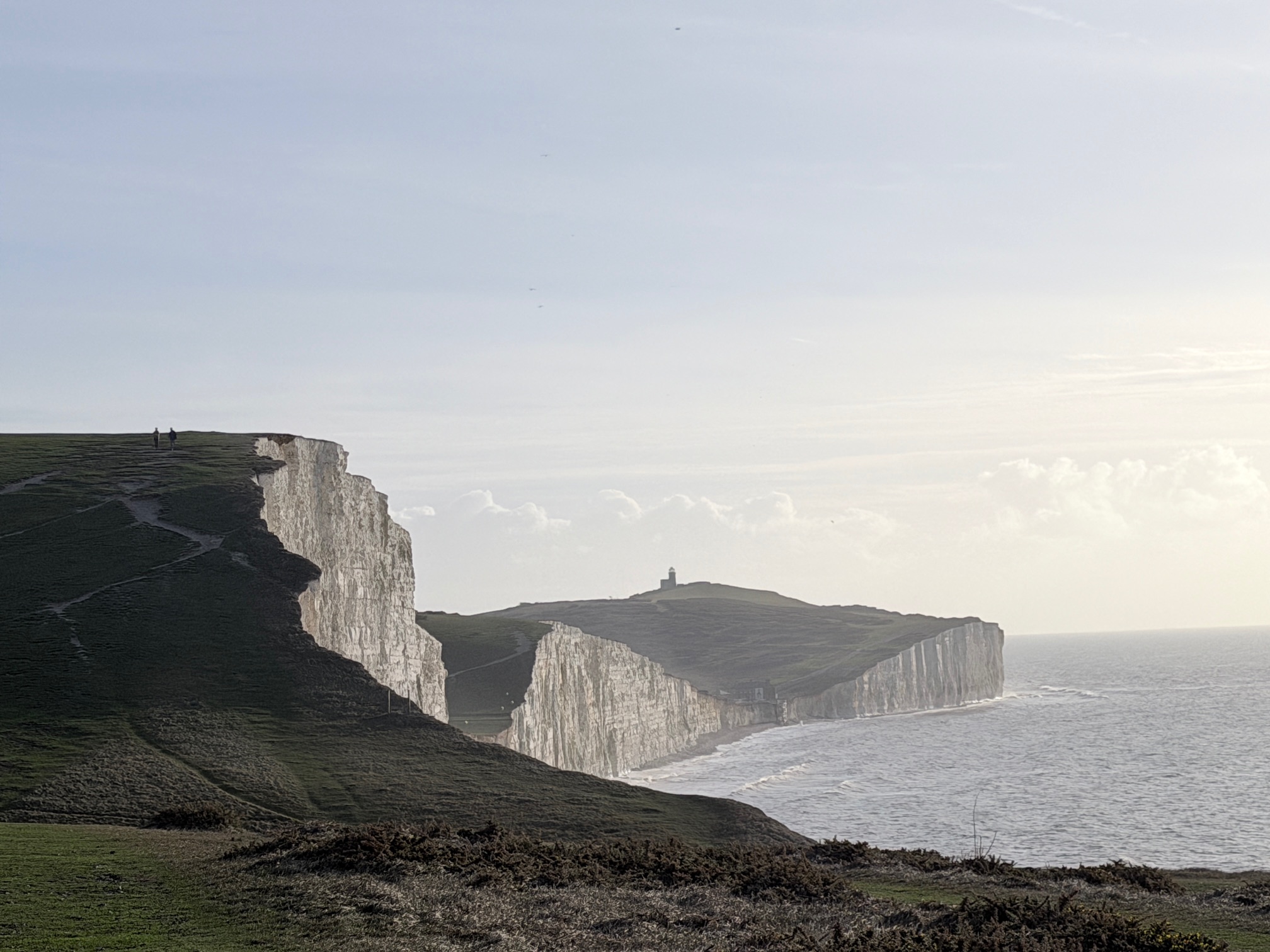
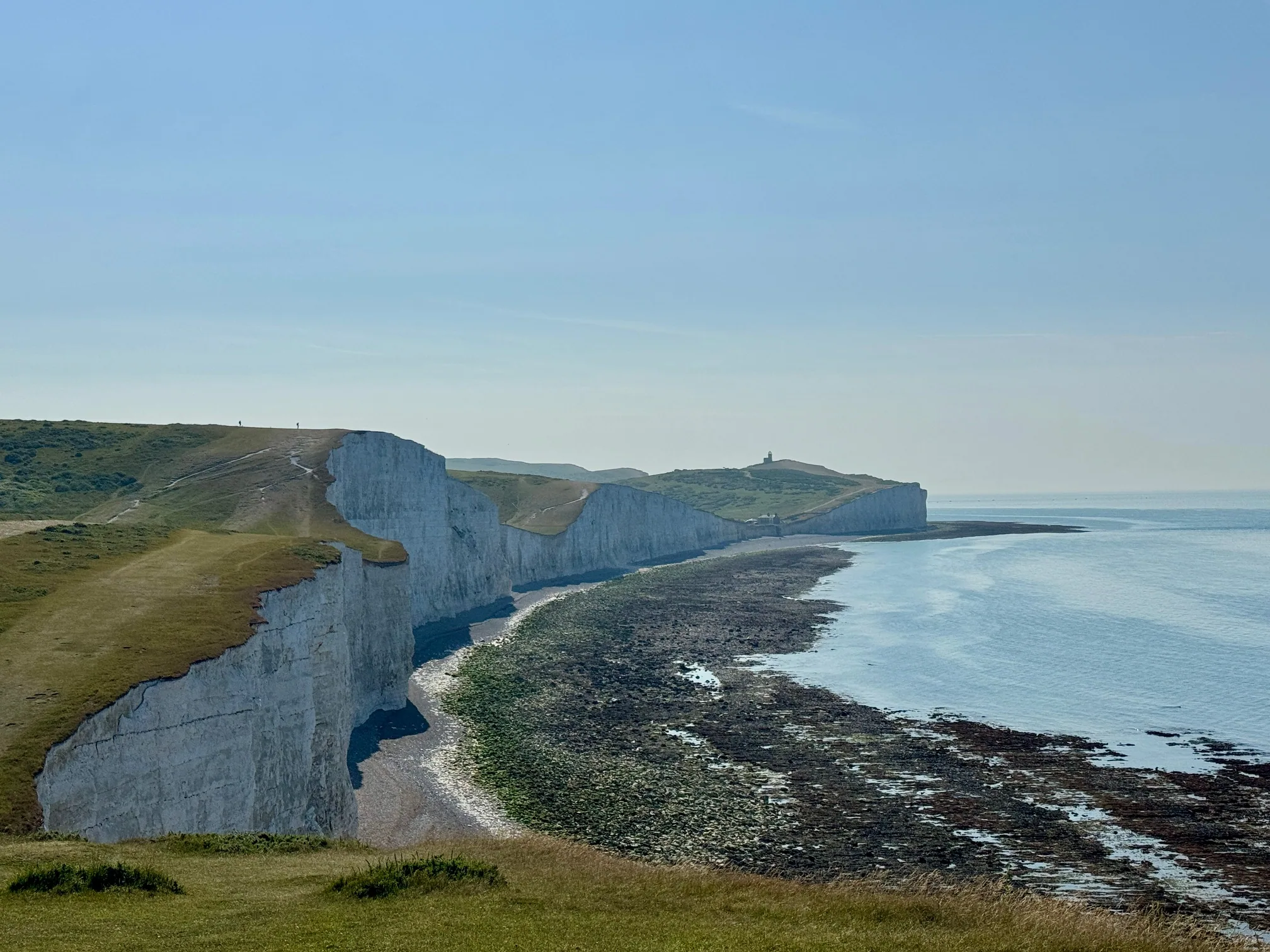
At 7:30am on a weekend in July, the Birling Gap car park has somewhere between 8 and 25 cars. The café isn't open yet. The path from the car park to the first cliff peak is yours. You'll see a handful of other walkers in the first hour — mostly people who started earlier, a few who've camped nearby, the occasional photographer with tripod. By the time you've walked two peaks, the number of people you'll have passed can be counted on one hand.
The temperature is somewhere between 14°C and 18°C. There's usually a light breeze. The chalk is bright and cool underfoot. The sea is a deep navy blue that it won't be again until the evening light returns. The horizon, if it's clear, is sharp enough to see ships.
What the Same Ridge Looks Like at 10am
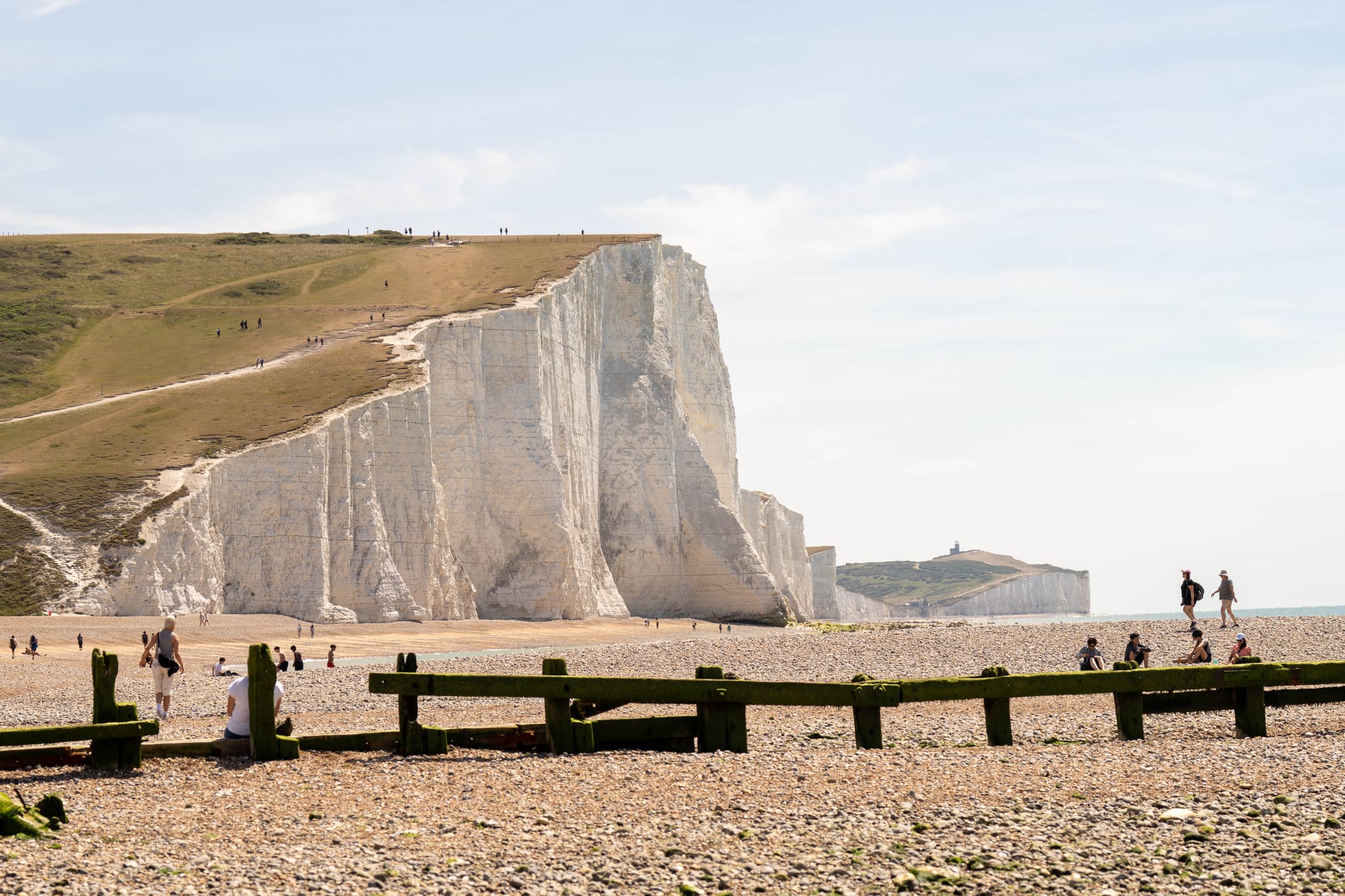
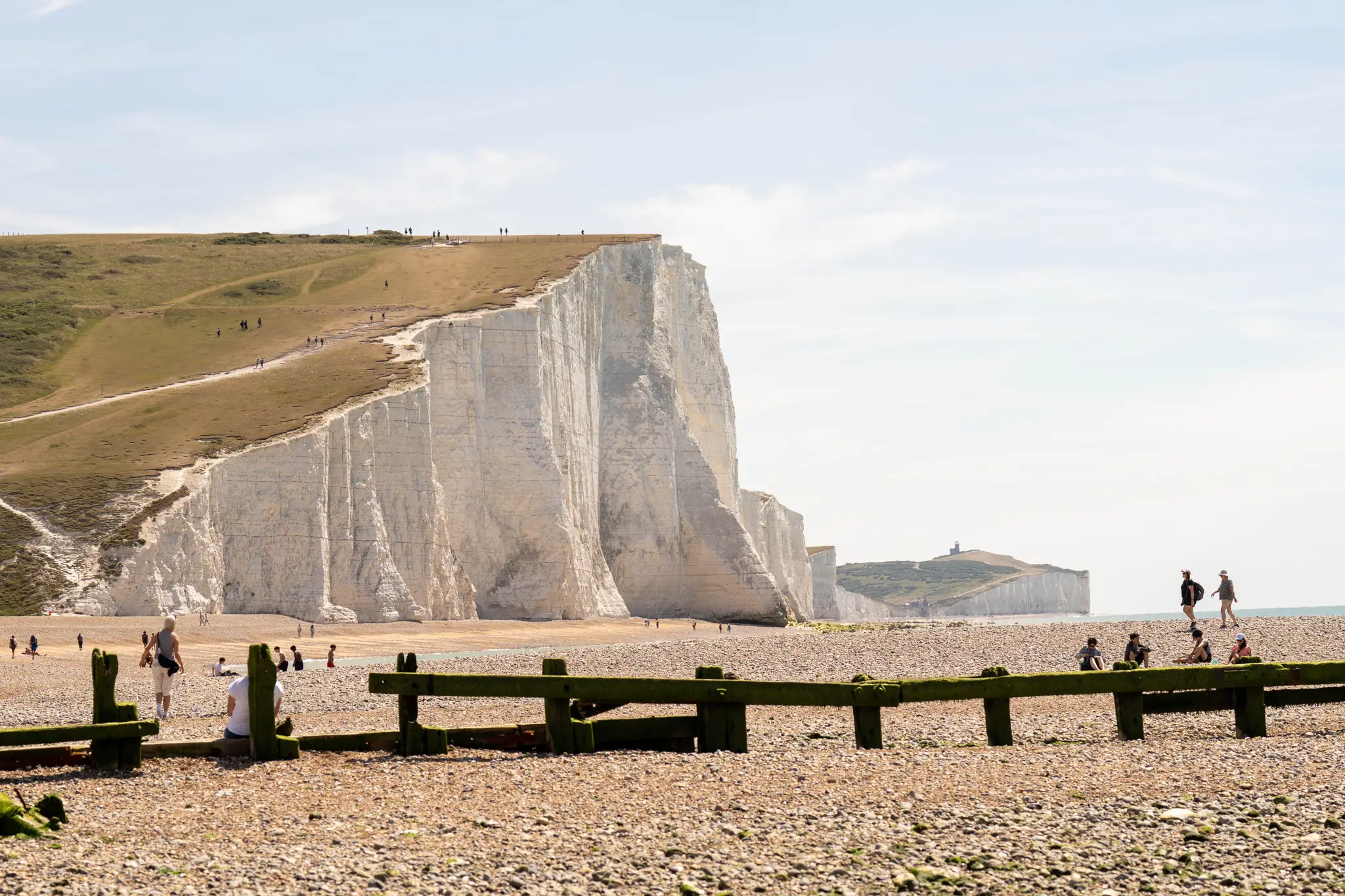
By 10am on a sunny July Saturday, the Birling Gap car park is full. Not approaching capacity — full, with a queue forming on the approach road. The path from the car park to the first peak has a steady stream of walkers. On the ridge itself, you're never more than 50 metres from another group. The popular photography viewpoints have queues.
The temperature is now 21–24°C and climbing. On the ridge there is no shade. Zero. The chalk reflects UV upward as well as receiving it from above — I've been caught out badly enough to end up with sunburned arms and an unexpectedly burned face from the chalk reflection. The sea has gone lighter, slightly washed out, as the overhead sun flattens the colour.
By 11am, the Birling Gap café has a queue of 20–30 people and will shortly run out of bottled water, as it does on most peak days by early afternoon. The path nearest the cliff edge has children running toward it and parents running after them. The view is still spectacular — the cliffs don't care about the crowds — but the experience is now something you're sharing with 500 other people.
The gap has widened every year. In 2022 the Birling Gap car park was full by 10:30am on busy weekends. In 2025, on peak days, we've watched it fill before 9:45am. The trend is consistent. If anything, the argument for arriving before 8am is stronger now than it was when I first made the rule.
What You Actually Gain
The photography case is the easiest to make. Morning light from the east hits the westward-facing cliffs at an angle. The grass is still slightly damp with dew and catches light differently. There are no other people in your frame unless you specifically want them. The classic Cuckmere Haven meander shot, taken from the ridge in morning light, is one thing. The same shot with 30 other people finding the same viewpoint is another.
But the non-photography case matters just as much. Walking the ridge in relative solitude, with quiet and open views and no need to time your pace to the group ahead — this is what the cliffs actually feel like when they're not overwhelmed. It's a genuinely different sensory experience. The wind. The sound of the sea below. The occasional skylark. Things that are still happening at 10am but that you can't properly hear or attend to when you're surrounded by people.
There's also a practical case. Every 30 minutes of earlier arrival translates to a meaningfully better parking spot, a shorter café queue, a cooler temperature on the ridge, and more of the walk completed before the heat builds. By the time you're back at the car park at 10am, the people arriving are just starting to queue. You've already done the whole thing.
The Objections (And Why They're Wrong)
"I'm on holiday, I don't want a 6am start." A fair point, and I'm not suggesting 6am. 7:00am from wherever you're staying in Eastbourne or Seaford means arriving at Birling Gap by 7:30am. July sunrise is before 5am. 7am is not early on a summer morning — it's just not late.
"The kids won't be up by then." Mine weren't either, the first year. Then we tried it once on the promise of the café being empty and the beach having rock pools to themselves at low tide. They were up at 6:45 without being asked.
"We'll miss the best light." You'll miss the golden hour immediately after sunrise, yes. The 7:30–9am window in July still has excellent directional light. You're not getting up at 4:48am — you're getting up enough earlier than the crowds to have the place to yourself.
The Alternative If You Absolutely Can't Do Early Morning
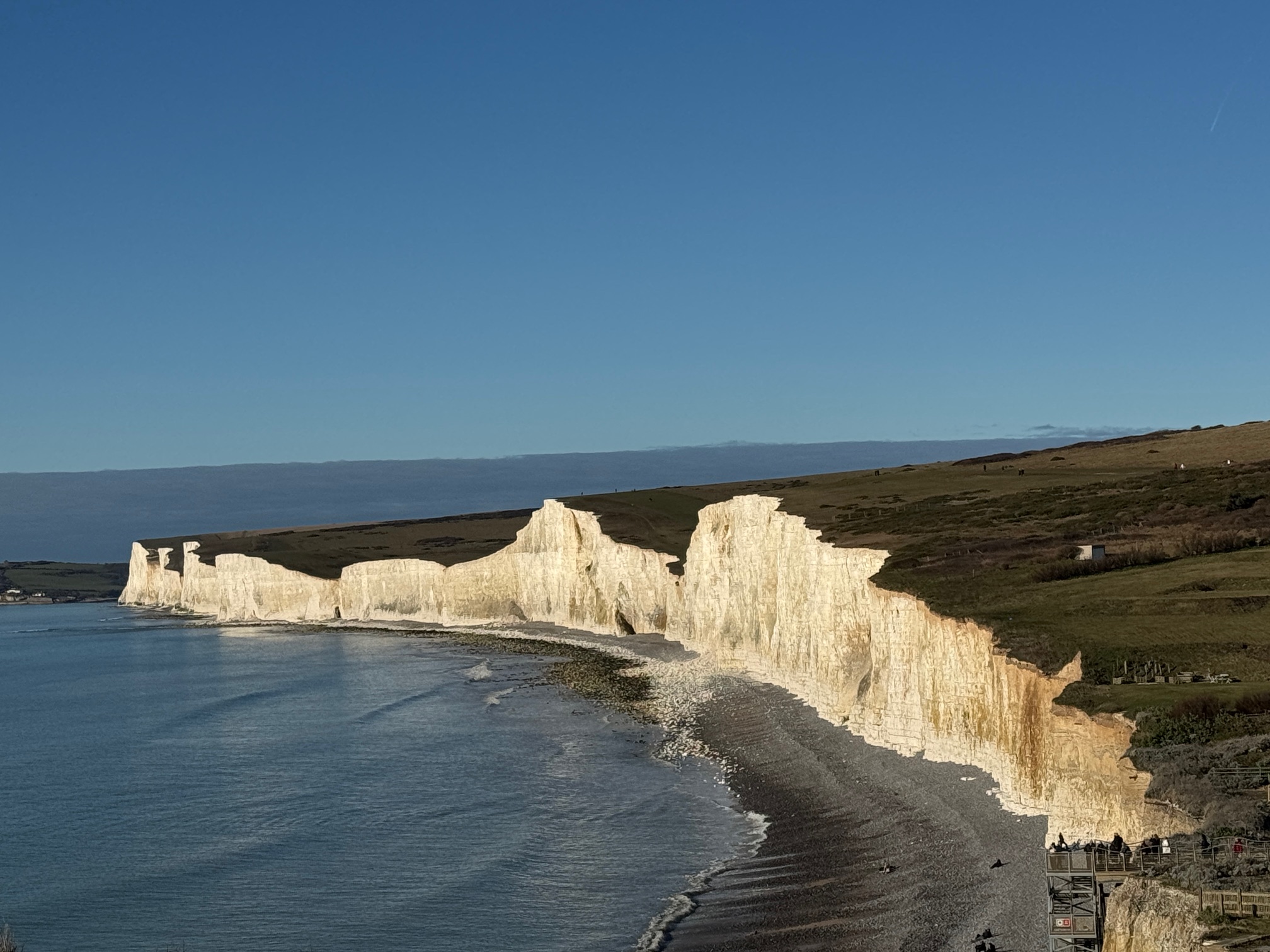
Come late. After 5pm in July, the families with young children start heading home. By 6pm the car park is partially clearing. By 7pm the ridge is quieter than it was all day. The evening light from the northwest is, in some ways, better than morning light for the specific geometry of the Seven Sisters — the sun comes from the right angle to illuminate the cliff faces and warm the chalk to amber.
The catch: you need to be committed to staying until at least 8:30pm to catch the best light, and you need a way home afterward (car, or checking the last bus time from Birling Gap). But a late afternoon arrival at 5pm, walking until golden hour, and driving home in the dark having seen the cliffs in their best light — that's an excellent version of the visit.
Midday in July is the one window I actively advise against. Too hot, too crowded, worst light, longest café queues. The cliffs are still magnificent. The experience is not.
July Visit Checklist for Early Starters
- Leave by 7:00am: Aim for the Birling Gap car park before 7:30am. Parking is free of charge before the pay-and-display machines activate (check current NT guidance for times).
- Bring your own food and coffee: The café doesn't open until 9am or later. Breakfast on the ridge — sitting on the grass, sea below you, nobody else around — is one of the genuinely good things in life.
- Sunscreen from the start: UV is already meaningful at 7:30am in July. The chalk reflection catches people out. Apply before you leave the car park, not when you remember.
- Download offline maps: Signal on the ridge is inconsistent. OS Maps with the route pre-loaded before you leave.
- Water: minimum 1.5L per person: By the time the café opens and the queues build, you want to already have enough to complete your walk without stopping.
- Check the tide: If you want beach access at Cuckmere Haven or Birling Gap, low tide in the morning often gives you the widest beach. Check the morning window before leaving.
More Seven Sisters Guides
For a full account of how Seven Sisters coastal weather behaves differently from inland forecasts, see our weather patterns guide. For parking options before the car parks fill, see our parking and crowds guide. For the full route guide to plan your walk, see our complete walk guide.
Planning the walk itself?
Four routes run along these cliffs and they are not interchangeable — a flat 3km riverside stroll, the classic 6.5km Exceat to Birling Gap crossing, a short Birling Gap loop, and the full 21.9km Seaford to Eastbourne ridge. Compare distance, ascent and difficulty before you pick one.
- Easy Birling Gap Short Loop 2 km 45 min
- Easy Cuckmere Haven Beach 3 km 1 hour
- Moderate Exceat to Birling Gap 6.5 km 2-3 hours
- Challenging Seaford to Eastbourne 21.9 km 6-7 hours
We may earn a small commission on bookings made through this link, at no extra cost to you. More info.
£4.99 · 24-page PDF · Instant download
The Seven Sisters Ultimate Guide
The complete 24-page companion built from first-hand walks — every cliff, all four graded routes, tide windows and a parking strategy. Designed to work offline, right on the cliff top.
- All 7 cliffs — heights, geology & viewpoints
- Four graded walking routes, compared
- Tide windows, light calendar & day plans
- Parking strategy & seasonal planner
Just want the basics? Download the free 2-page walk guide
Want an expert-led Seven Sisters tour?
From guided cliff walks and wildlife safaris to geology hikes and photography tours — explore all our curated experiences with local guides.