Standards & Integrity
Editorial Policy
How we research, write, and stand behind every guide on this site
How we research, write, and stand behind every guide on this site
Every guide on this site is built from direct field experience on the Sussex Heritage Coast. This page sets out exactly how we research, write, verify, and correct it.
Last updated: 13 June 2026
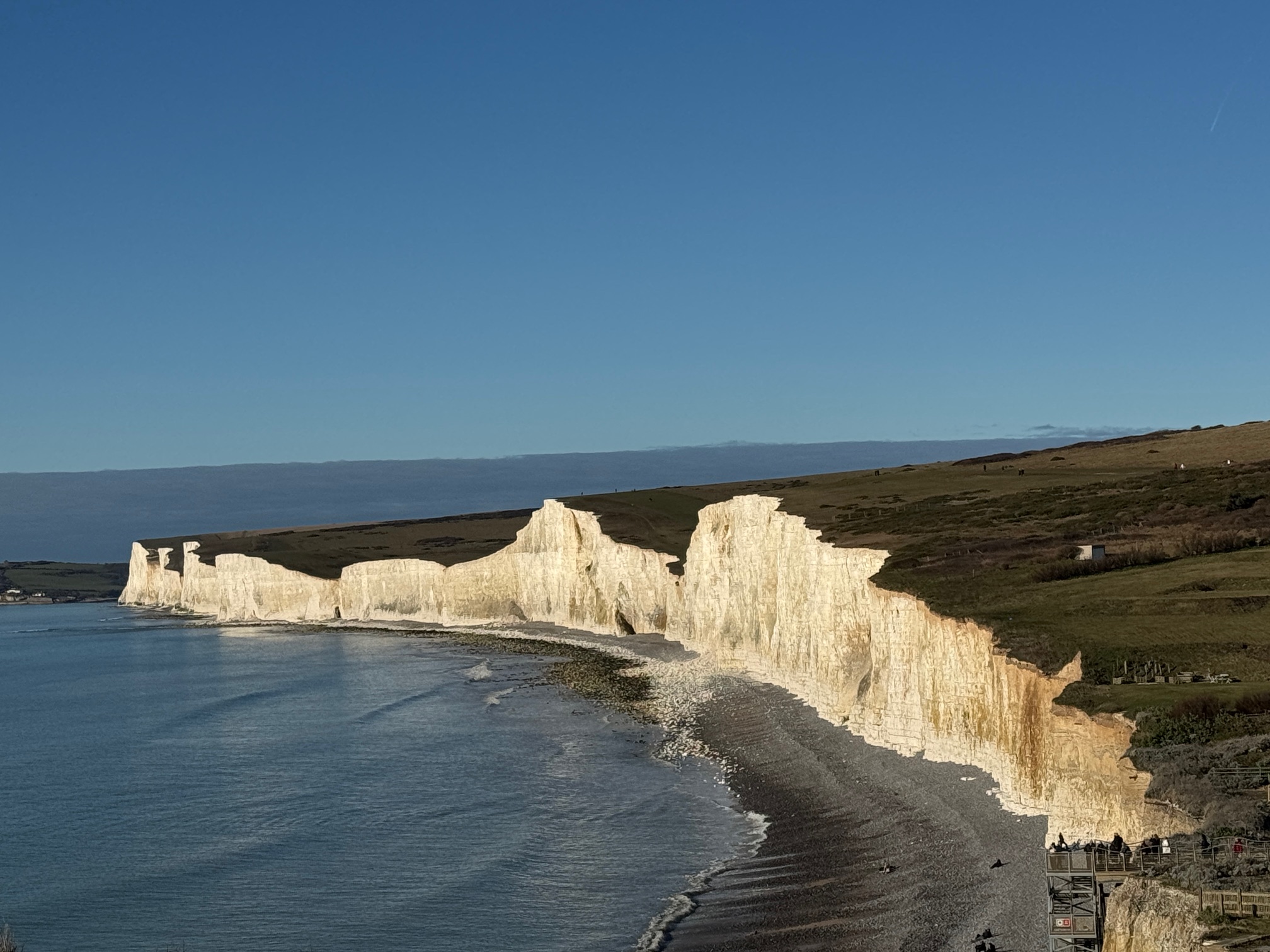
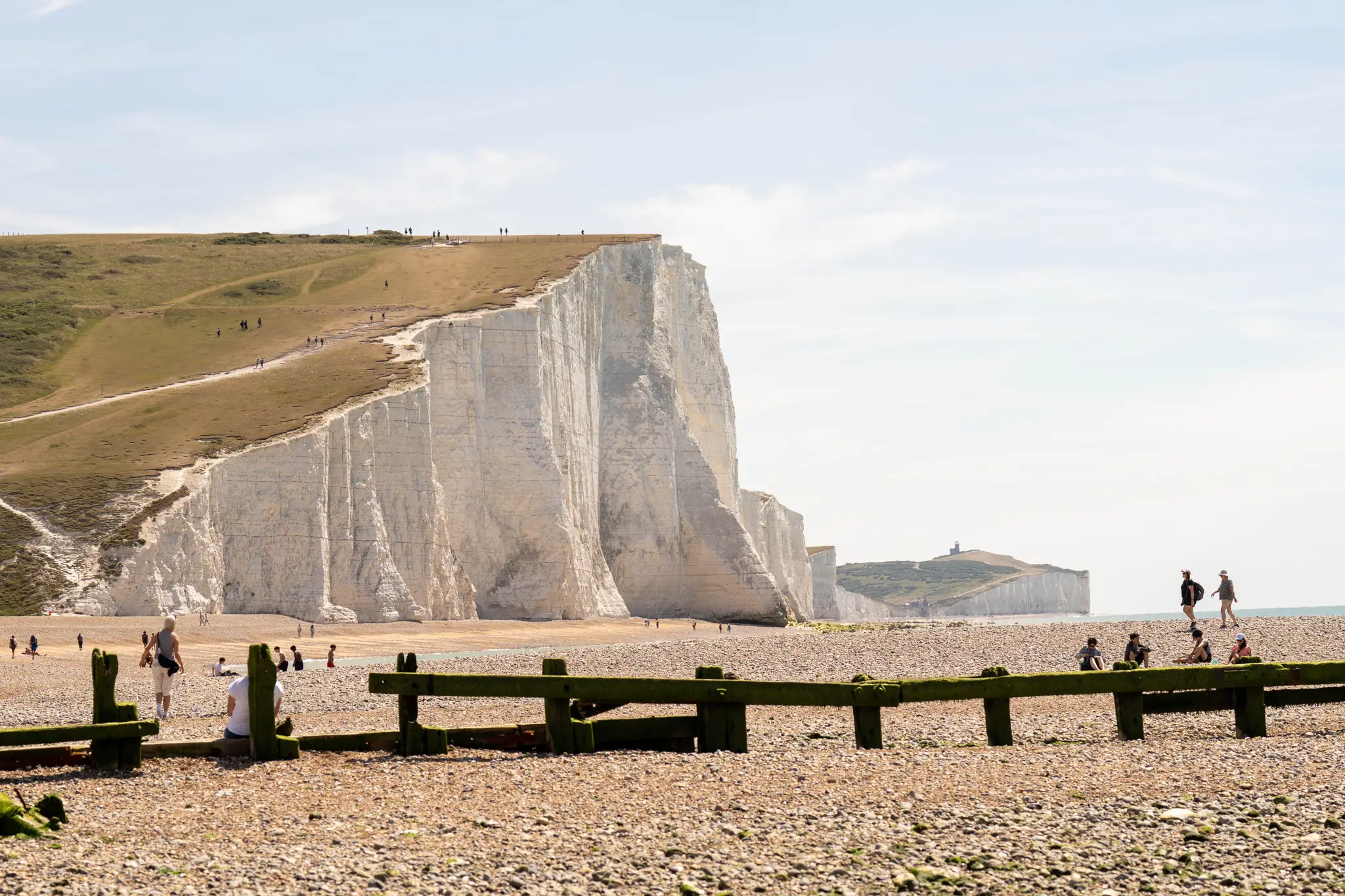
SevenSisters.co.uk has documented the Seven Sisters and the wider Sussex Heritage Coast through direct field work since 2019. Every guide is written from first-hand experience: routes walked, tides timed, parking observed, and conditions photographed on the ground.
The principle is simple — if we have not stood on that cliff in those conditions, we do not write about it as though we have.
SevenSisters.co.uk is an independent visitor guide. We are not affiliated with, funded by, or endorsed by the National Trust, the South Downs National Park Authority, Natural England, or any government body. We receive zero financial underwriting from the organisations that manage this coastline.
That independence is the point. It means our reviews of transport, parking, fees, facilities and services reflect what we actually found — not what an official partner would prefer us to say.
The site is funded by clearly marked affiliate links and display advertising. Commercial relationships never influence our recommendations. Full detail is in our Affiliate & Advertising Disclosure.
We hold a strict line on generative AI, because the people reading this site make decisions about cliff edges, tides and weather based on what we publish.
In short: the words and images describing this coast are human-made, from the field. AI is a tool for code and quality control — never a substitute for being there.
First-hand observation drives the practical content. Where we state scientific, geological, or designation facts, we ground them in recognised authorities and link to them directly so readers can check the original source.
Our full field-research process is documented on the Research Methodology page.
Coastlines change. Steps close, cafes change hours, paths get rerouted, and occasionally we make a mistake. When we do, we fix it openly and record substantive corrections in a public log.
See our Corrections & Updates policy, or report something that needs fixing via our contact page.
If you have a question about how we research or fund this site, get in touch.
Related: Corrections | Methodology | Affiliate Disclosure
Stay up to date with seasonal guides, crowd forecasts, and local tips — direct to your inbox.
No spam. Only coastal inspiration and timing tips — unsubscribe any time.