Take Your Rubbish Home: The Litter Problem Threatening the Seven Sisters
Whatever You Carry In, Carry Out
The Seven Sisters are busier than they have ever been - and it is starting to show in the grass. Here is the one habit that keeps these cliffs worth walking
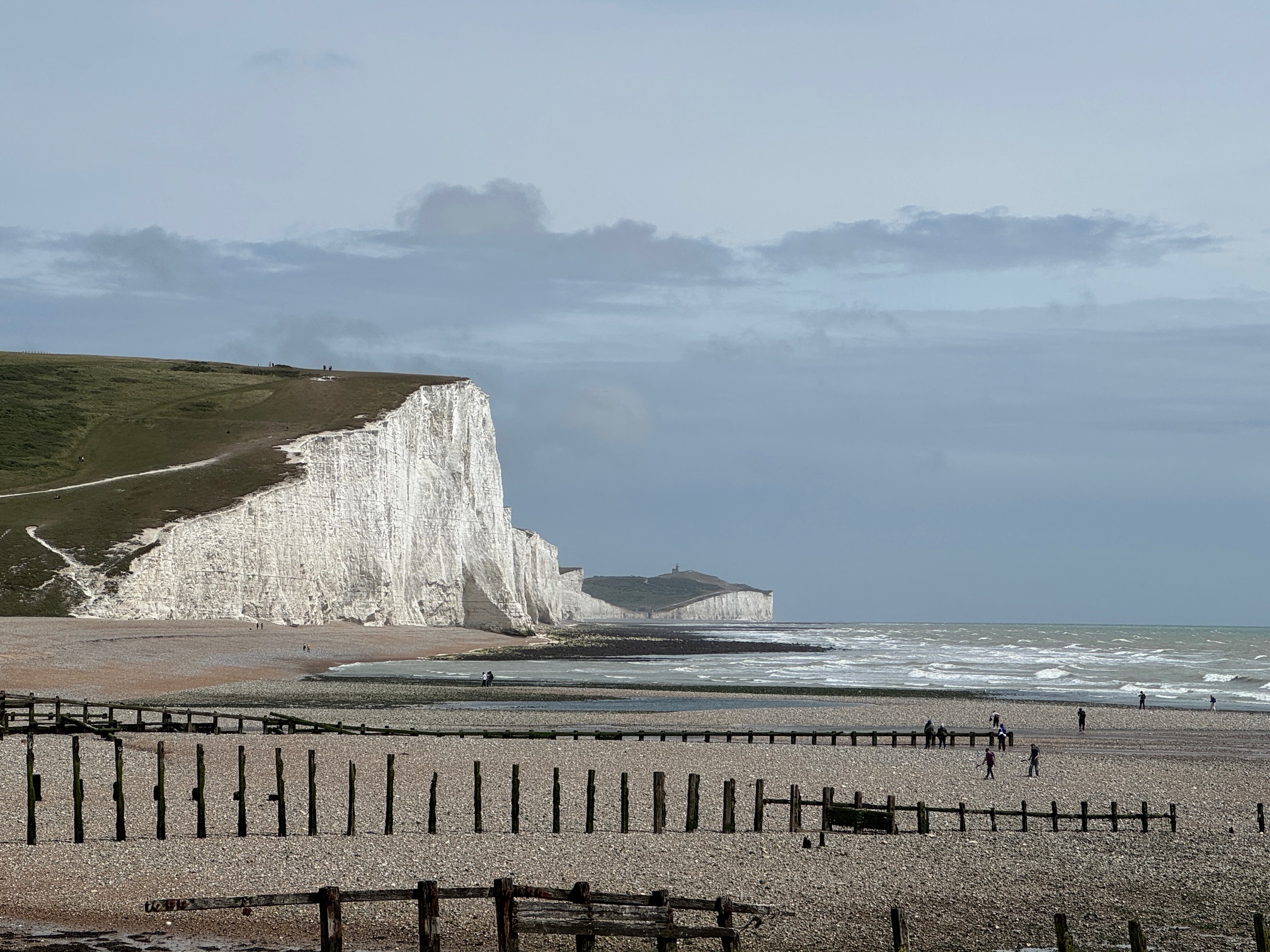
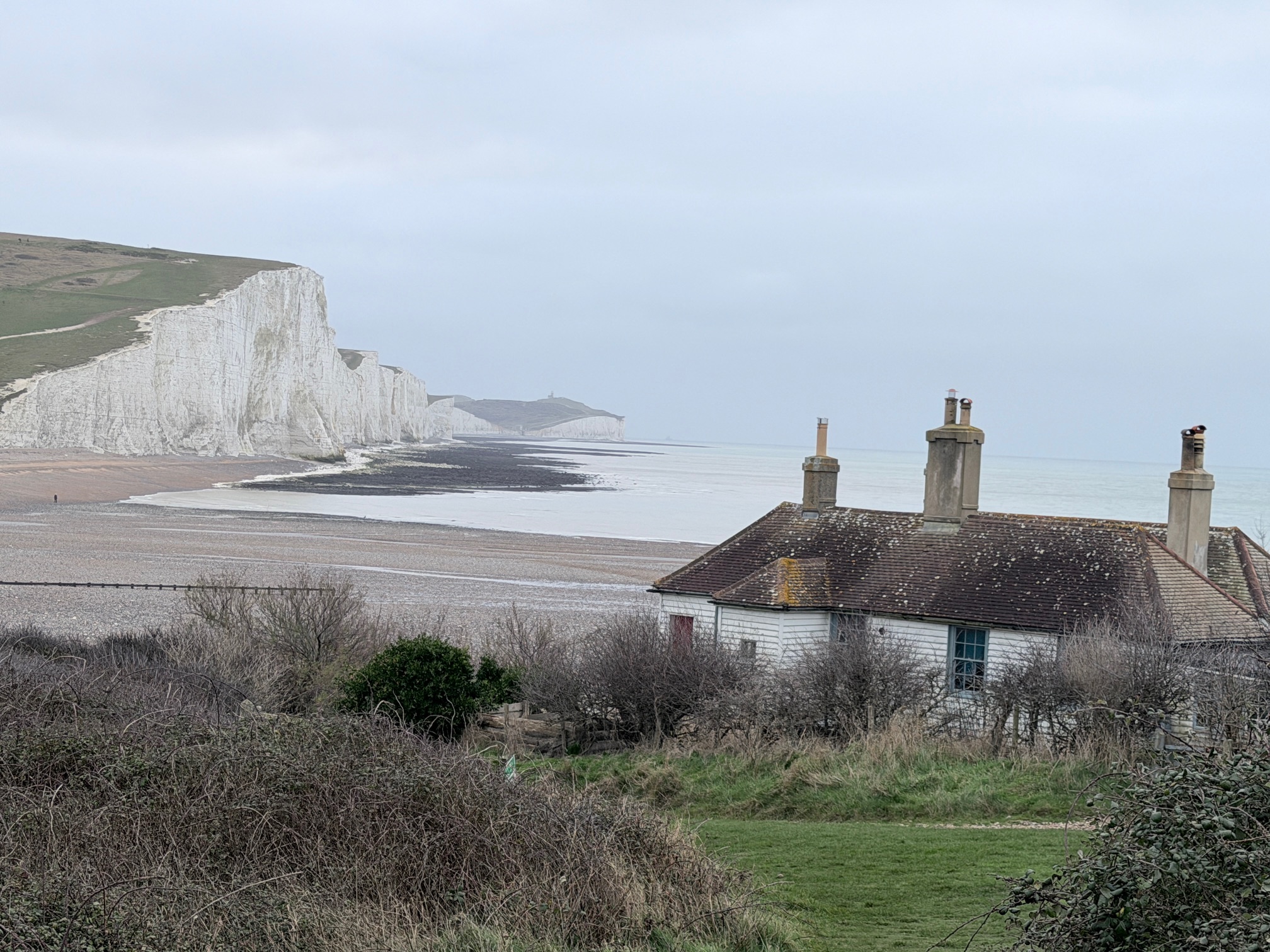
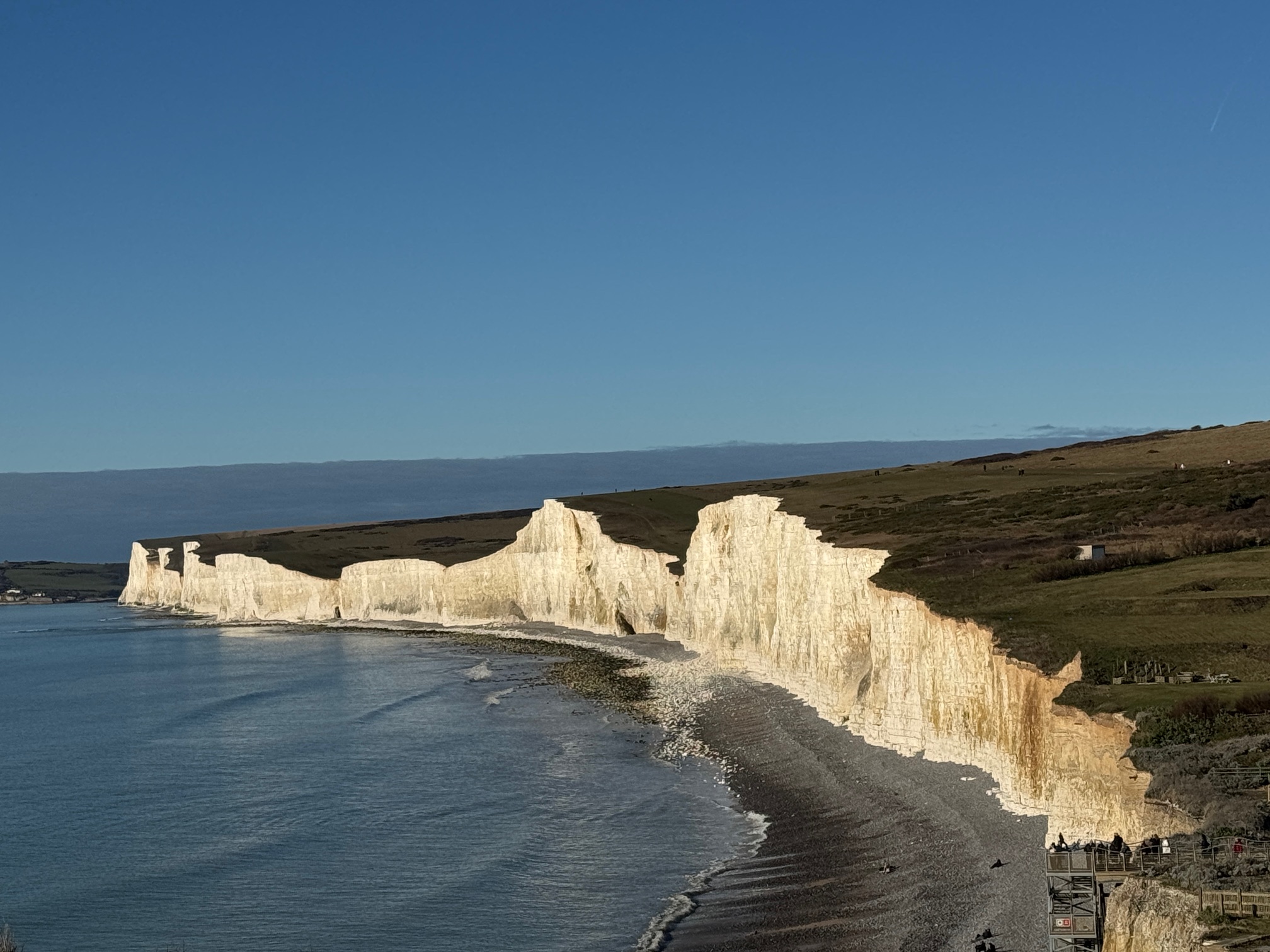
There is a quiet problem building along the top of the Seven Sisters, and it has nothing to do with tides, weather or erosion. It is litter. As the cliffs have grown more popular - drawing more visitors every summer than the year before - the amount of rubbish left behind on the grassland has grown with them. Empty water bottles wedged into the turf. Sandwich wrappers and crisp packets skittering toward the cliff edge on the wind. Dog-waste bags knotted and abandoned by the path. And, more often than anyone should have to write, soiled tissue and toilet paper left in the long grass just off the trail.
None of it belongs here. All of it is preventable. And the fix costs you nothing more than a moment of thought and a little room in your bag.
Why the Litter Is Piling Up
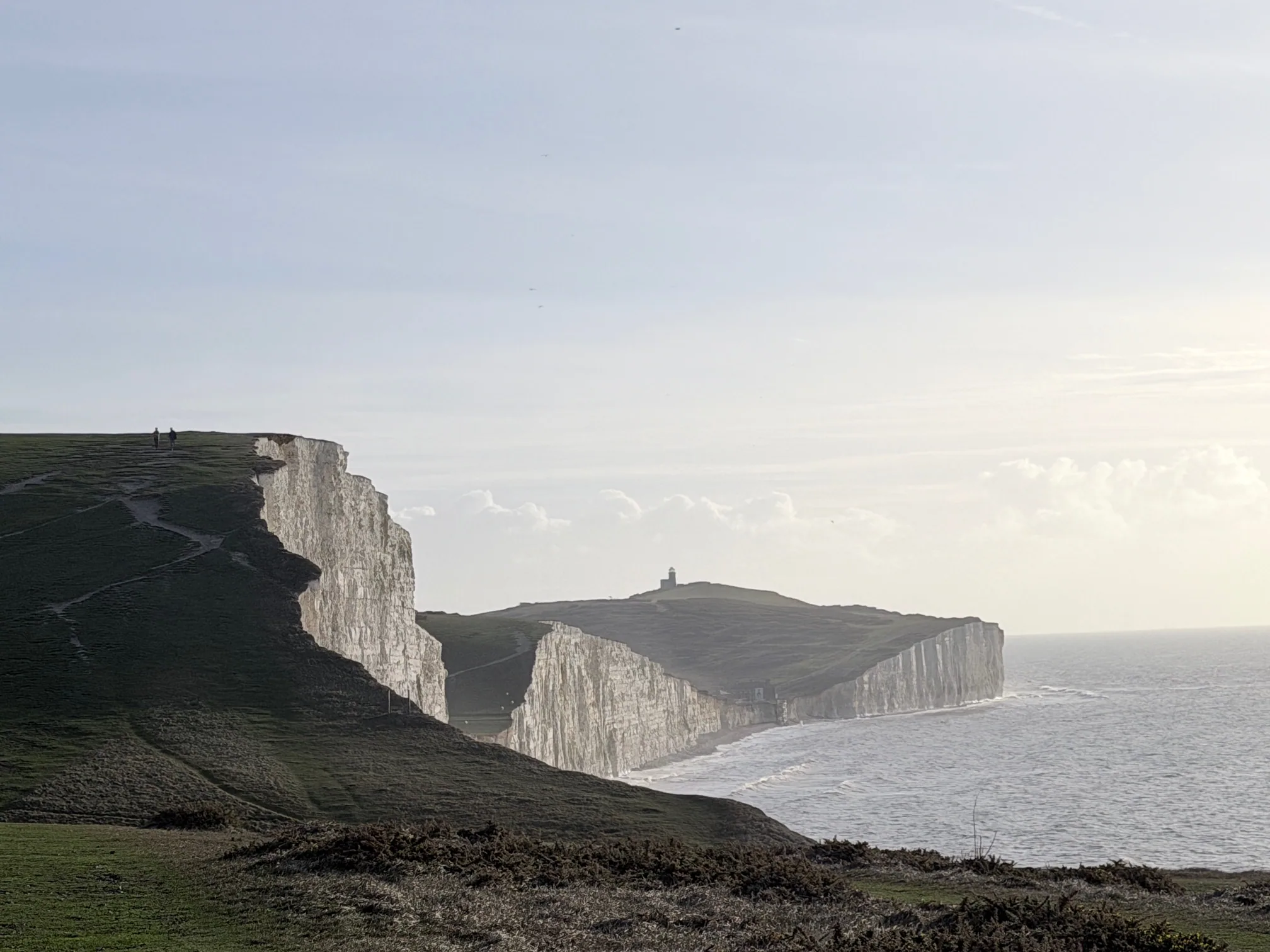
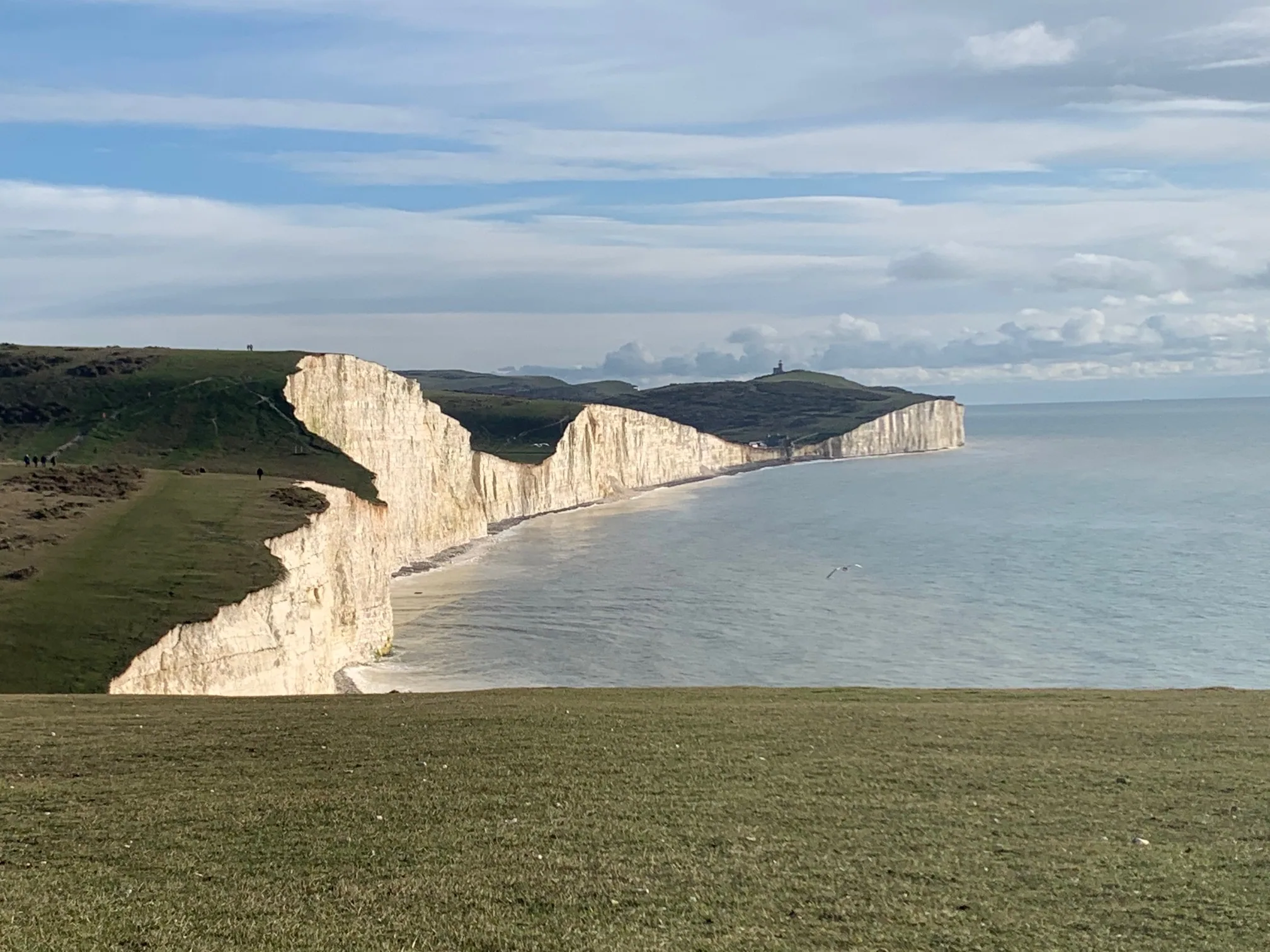
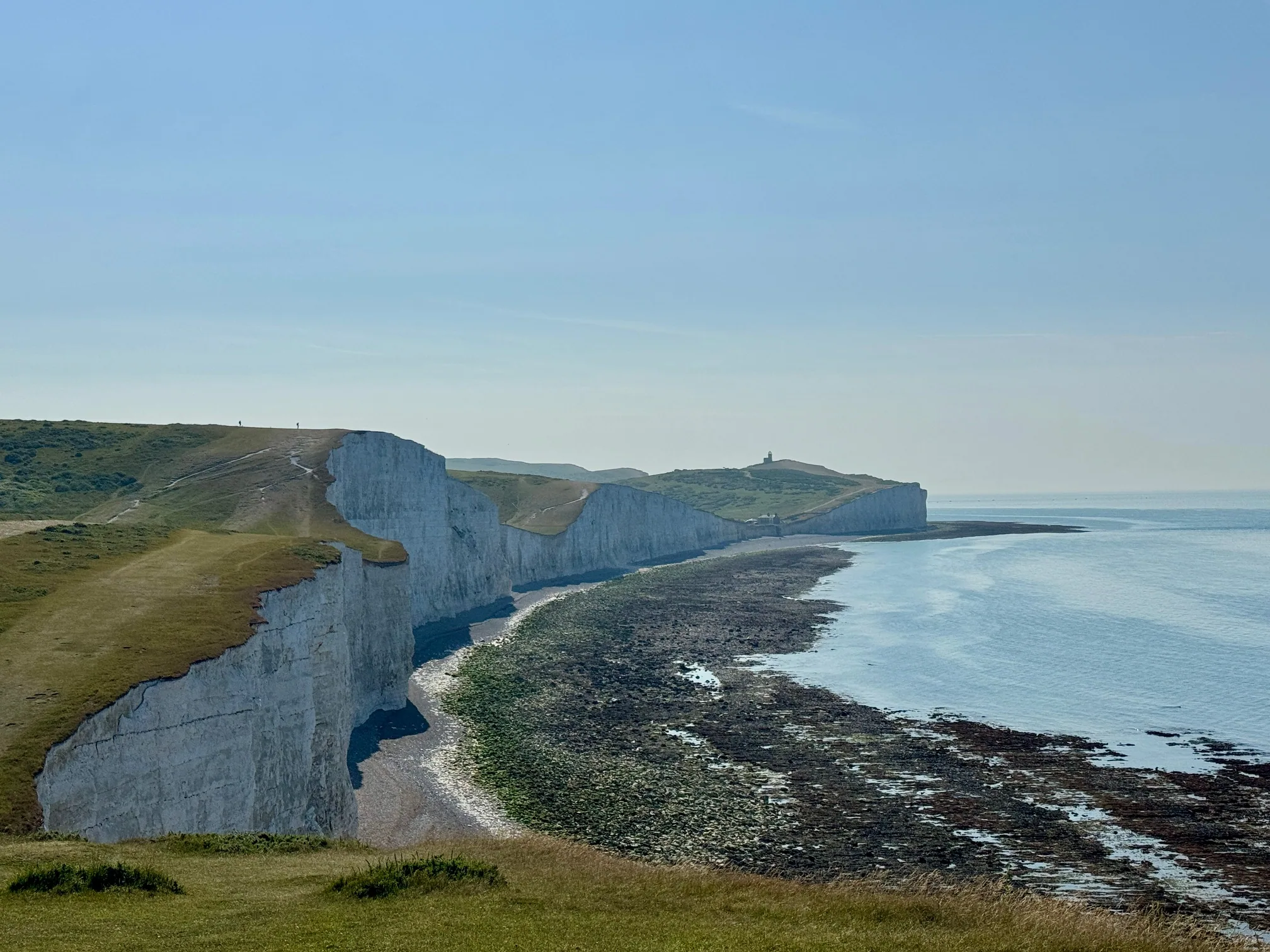
The Seven Sisters are not a managed theme park with a bin on every corner - and that is by design. This is a National Nature Reserve, declared in March 2026, protecting rare chalk grassland and the wildlife that depends on it. Across open reserves like this one, bins are deliberately kept to a minimum or removed altogether, for good reason: overflowing bins on an exposed clifftop are worse than none at all. Gulls, foxes and the wind tear them open and scatter the contents across the very landscape they were meant to protect.
So the responsibility shifts to us. The countryside works on a simple, old principle - whatever you carry in, you carry out. Most people already know this. The trouble is that on a hot day, at the end of a long walk, with a full bag and tired legs, an empty bottle gets "left just this once." Multiply that one small decision by the thousands of people now walking these cliffs each week, and you get what regular walkers are increasingly seeing: a National Nature Reserve slowly collecting other people's leftovers.
Why It Matters More Here Than Almost Anywhere
It would be easy to shrug this off as untidy rather than urgent. It is not. On the Seven Sisters, litter does real harm:
- It kills wildlife. This grassland supports skylarks, the Chalkhill Blue butterfly and countless small creatures. Plastic fragments are eaten by animals and birds; discarded food draws in gulls and rats that then prey on ground-nesting birds. A single dropped wrapper is not neutral - it changes the reserve.
- It ends up in the sea. The path runs along a crumbling chalk edge. Anything light and loose - a bottle cap, a wrapper, a bag - is one gust from going over the cliff and straight into the Channel below, where it becomes marine litter that never really goes away.
- Glass is a fire risk. On tinder-dry chalk grassland in summer, a discarded glass bottle can focus sunlight and start a fire. That is not hypothetical here - fire risk on these cliffs is real enough that we have written about it separately.
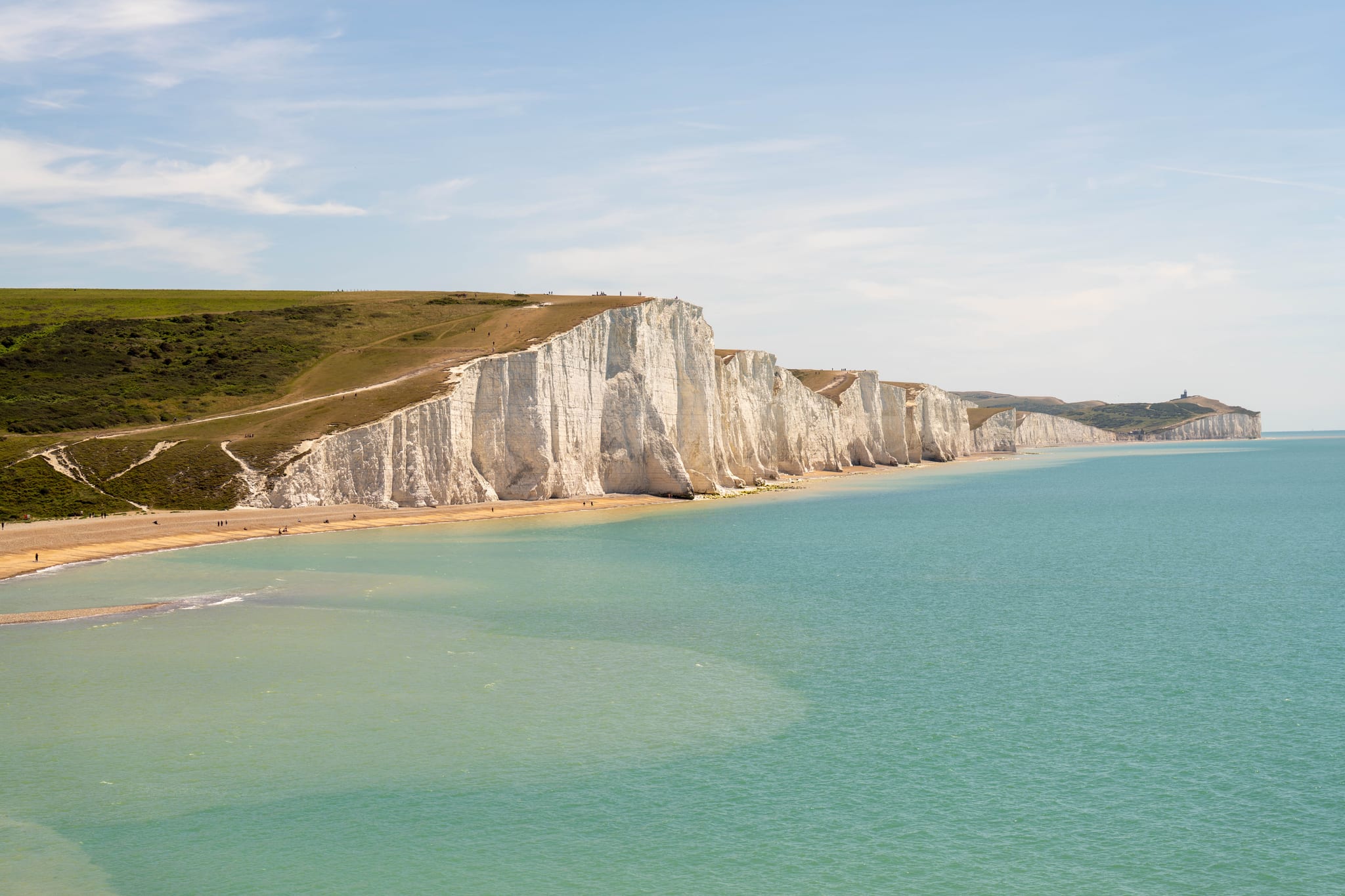
- It ruins the thing everyone came for. People travel from across the world to stand on an unspoiled stretch of English coast. A drift of plastic in the foreground of that view diminishes it for every single person who arrives after the one who left it.
The Simple Ask: Hold On to It
Here is the whole message, and it really is this simple. If you brought it with you, take it home with you. And if home feels a long way off mid-walk, you do not have to carry it the entire route - you only have to hold on to it until you reach one of the trail's natural gateways, where facilities exist and your rubbish can be dealt with properly.
Bag it, pocket it, and hold it until you reach a staffed point. The clifftop between these places has no bins - and it is not meant to. The grassland is not the place to leave anything.
Think of the walk as running between four key points, and simply carry your rubbish from one to the next:
- Exceat & Seven Sisters Country Park - the western gateway, with the visitor centre, café and facilities at the start of the Cuckmere valley.
- Birling Gap - the National Trust site roughly midway along the cliffs, with a café, toilets and staff on site.
- Beachy Head - the high point toward the eastern end, with the pub and visitor facilities nearby.
- Eastbourne - the seafront town at the eastern end of the walk, where bins and services are everywhere.
A small, packable bag - even a spare carrier or a dry-bag clipped to your rucksack - turns the whole issue into a non-event. Empty bottle? In the bag. Wrapper? In the bag. It weighs almost nothing, and it comes off the reserve with you.
If You Are Walking With a Dog
Dog waste is its own version of the same problem, and one of the most disheartening things regular walkers report is the bagged waste left behind - picked up, tied off, then dropped by the path or hung on a fence. A knotted plastic bag is worse than nothing: it will sit there for years. The rule is the same as for everything else - bag it and carry it out to one of the gateways above. Our dog walking guide covers this alongside leads, ground-nesting-bird season and the best routes for four legs.
A Note on the "Nowhere to Go" Problem
Some of the worst litter - the tissue and toilet paper in the grass - comes from a genuine gap: the walk is long, exposed and short on toilets between the gateways. The honest answer is to use the facilities at Exceat, Birling Gap, Beachy Head or in Eastbourne before and after you walk, and to plan the timing of a long traverse around them. If you are caught out, the countryside code still applies: carry a small waste bag, bag any tissue, and take it out. It is not glamorous, but leaving it in a nature reserve where children play and wildlife feeds is far worse.
This Is How the Cliffs Stay Worth the Journey
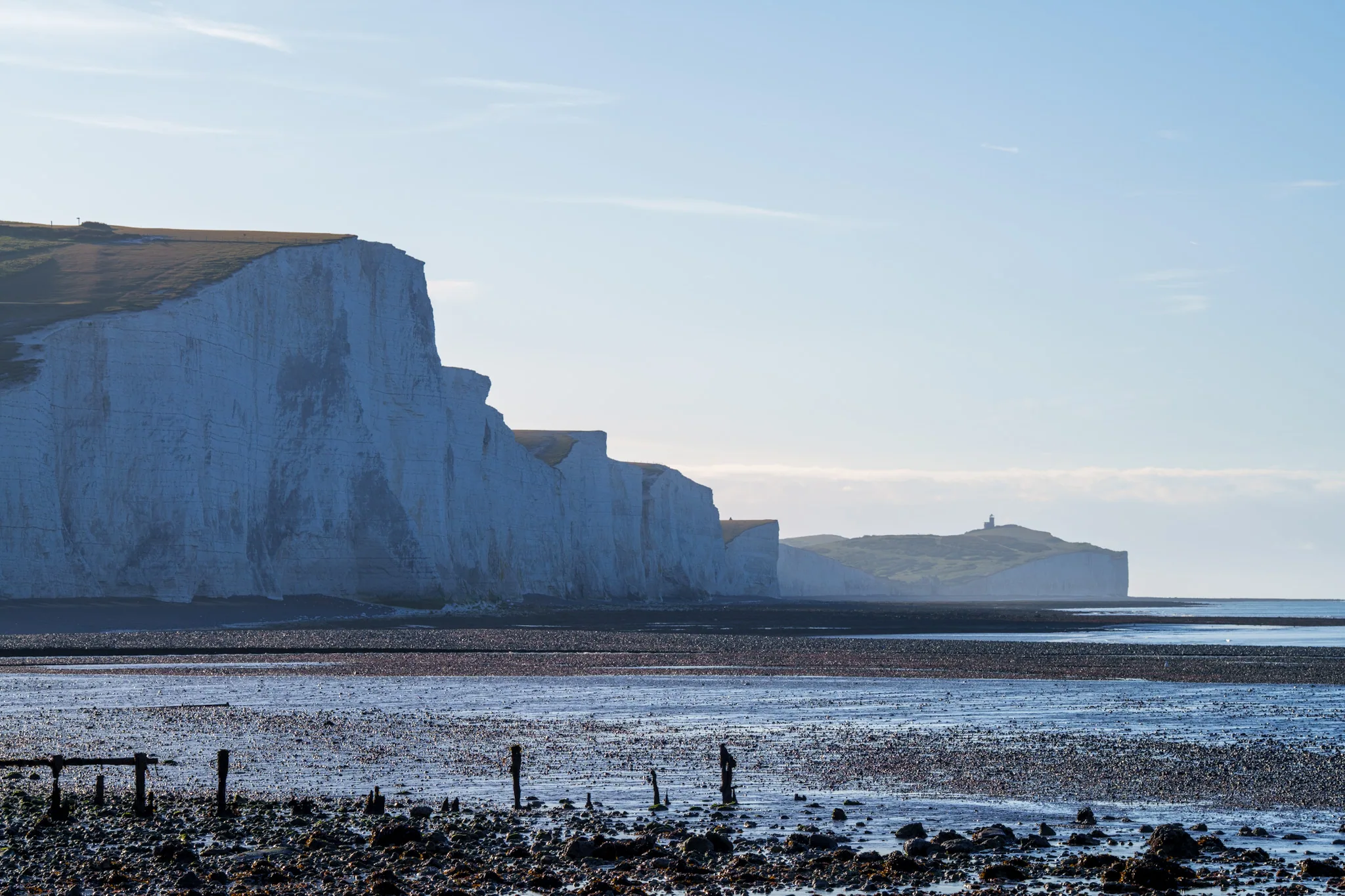
The Seven Sisters are not fragile because they are weak - chalk has stood against this sea for millions of years. They are fragile because they are loved by so many people at once, and it only takes a small fraction of us being careless to spoil them for everyone else. The good news is that the reverse is just as true. If the great majority carry their rubbish out, the reserve stays clean almost effortlessly.
So the next time you fold up your walk at Birling Gap or drop down into Eastbourne, do one last check of the grass around where you stopped. Take what is yours. If you have the room and the inclination, take a stray bottle that is not yours too. That is the whole of it - and it is the difference between a coastline that stays extraordinary and one that slowly becomes ordinary.
Respect the cliffs. Respect the wildlife that lives here and the people who come after you. Carry it in, carry it out.
Seven Sisters Litter: Your Questions Answered
Are there bins along the Seven Sisters trail?
There are very few, and none along the clifftop itself. The Seven Sisters is a National Nature Reserve, and bins are kept to a minimum on purpose - overflowing bins on the exposed cliffs get torn open by gulls and foxes, scattering rubbish across the reserve. Carry your rubbish out and use the facilities at Exceat, Birling Gap, Beachy Head or Eastbourne.
Where can I put my rubbish on the Seven Sisters walk?
At the four gateways to the walk: the Seven Sisters Country Park visitor centre at Exceat, the National Trust site at Birling Gap, Beachy Head, and the seafront at Eastbourne. Between those points there are no bins, so bag your rubbish and hold on to it until you reach one. The getting there guide covers where each of these access points is.
Are there toilets on the Seven Sisters walk?
Only at the gateways - the visitor centre at Exceat, Birling Gap, near Beachy Head, and throughout Eastbourne. There are no toilets along the clifftop in between, so use the facilities before and after you walk, and plan a long traverse around them. Our routes page shows where the walk meets each of these points.
What should I do with dog waste on the Seven Sisters?
Bag it and carry it out to one of the gateways - never leave a tied bag by the path or hung on a fence, where it can sit for years. The reserve is home to ground-nesting birds, so bagged waste taken home is the only responsible option. See the dog walking guide for the full picture.
Why does litter matter so much at the Seven Sisters?
It is a National Nature Reserve of rare chalk grassland. Litter harms wildlife, blows off the crumbling cliff edge into the sea as marine litter, and glass can even start a grass fire in dry summer conditions. Taking everything home keeps the reserve clean for the wildlife and the next visitor.
Plan a Walk That Treads Lightly
The Seven Sisters Ultimate Guide maps all seven cliffs, four graded routes, the facilities at each gateway and where to stop - so you can time a long traverse around toilets, cafés and bins instead of getting caught out. £4.99, once, with a live offline trail map that works with no signal. Prefer to start free? The free walking guide covers the essentials.
Planning the walk itself?
Four routes run along these cliffs and they are not interchangeable — a flat 3km riverside stroll, the classic 6.5km Exceat to Birling Gap crossing, a short Birling Gap loop, and the full 21.9km Seaford to Eastbourne ridge. Compare distance, ascent and difficulty before you pick one.
- Easy Birling Gap Short Loop 2 km 45 min
- Easy Cuckmere Haven Beach 3 km 1 hour
- Moderate Exceat to Birling Gap 6.5 km 2-3 hours
- Challenging Seaford to Eastbourne 21.9 km 6-7 hours
We may earn a small commission on bookings made through this link, at no extra cost to you. More info.
£4.99 · 24-page PDF · Instant download
The Seven Sisters Ultimate Guide
The complete 24-page companion built from first-hand walks — every cliff, all four graded routes, tide windows and a parking strategy. Designed to work offline, right on the cliff top.
- All 7 cliffs — heights, geology & viewpoints
- Four graded walking routes, compared
- Tide windows, light calendar & day plans
- Parking strategy & seasonal planner
Just want the basics? Download the free 2-page walk guide
Want an expert-led Seven Sisters tour?
From guided cliff walks and wildlife safaris to geology hikes and photography tours — explore all our curated experiences with local guides.