Comparisons
Seven Sisters vs Beachy Head
Two faces of the same chalk coast — which to walk, which to photograph, and how to do both
Two faces of the same chalk coast — which to walk, which to photograph, and how to do both
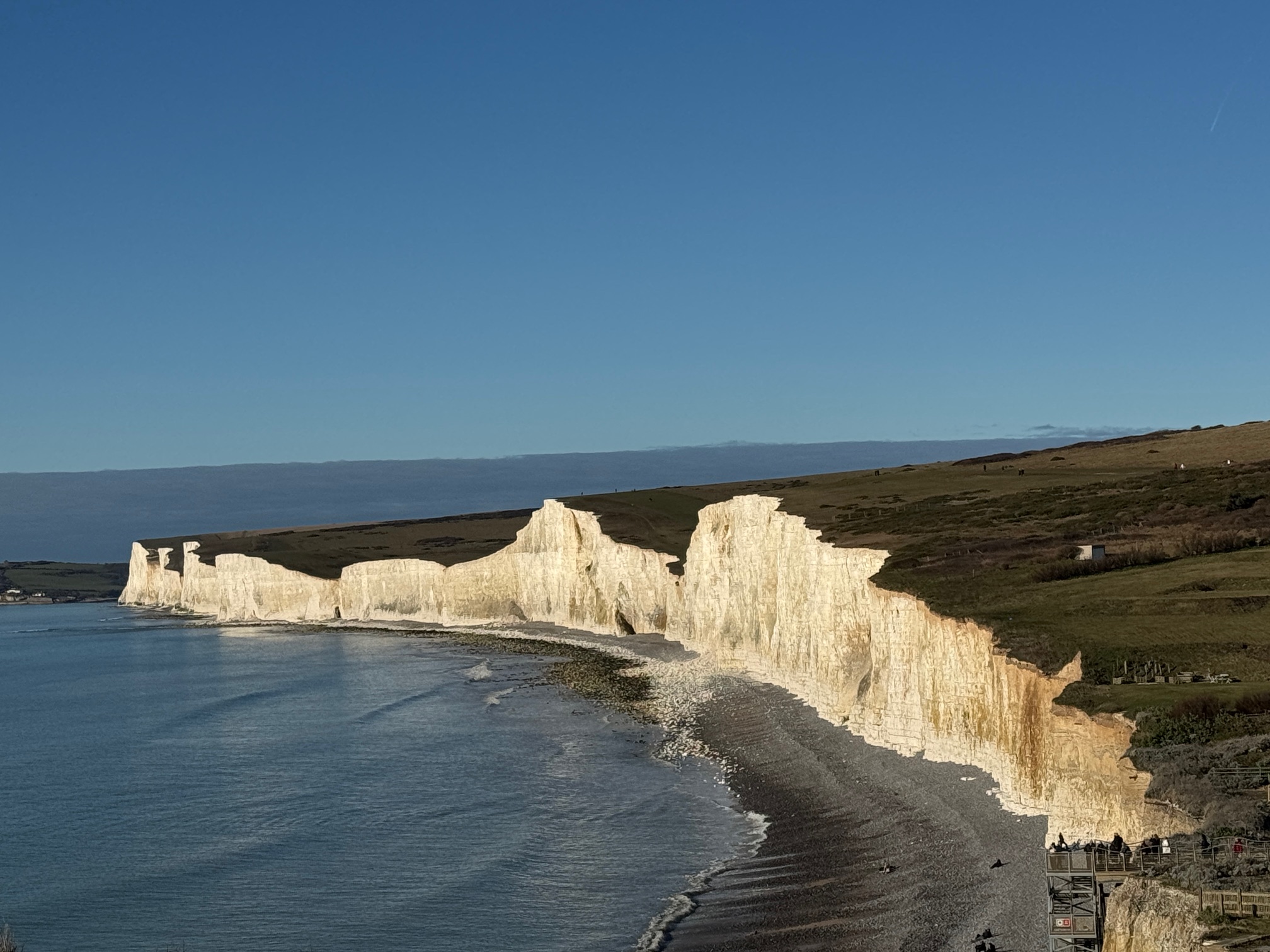
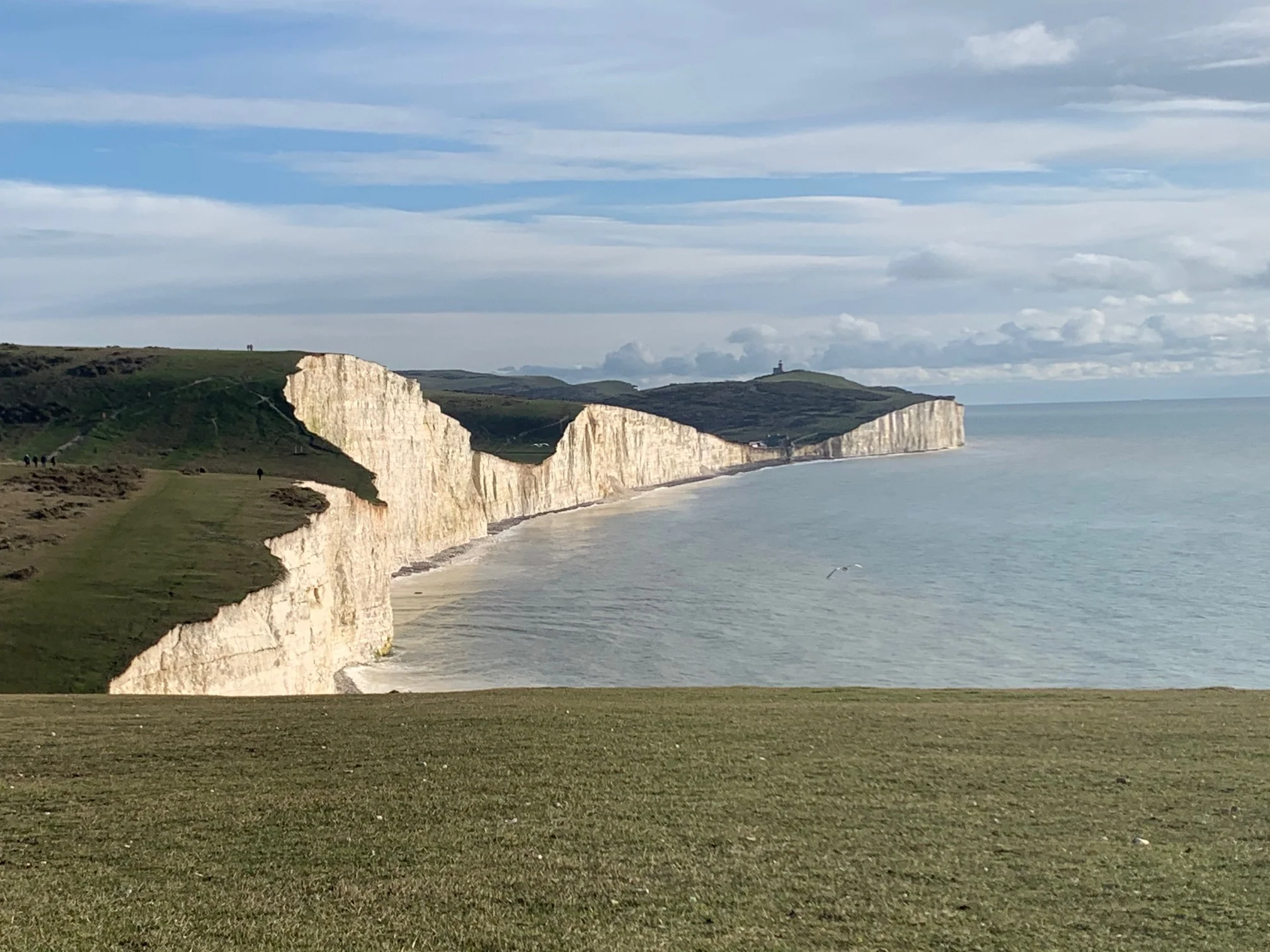
The Seven Sisters and Beachy Head are neighbouring chalk cliff destinations on the East Sussex coast in southern England, separated by the beach access point at Birling Gap. Both sit within the South Downs National Park and the Seven Sisters National Nature Reserve. The Seven Sisters are the undulating series of chalk peaks between Cuckmere Haven and Birling Gap — famous for the classic rolling-cliff photograph. Beachy Head is the tall chalk headland immediately to the east, near Eastbourne, rising to about 162 metres — the highest chalk sea cliff in Britain — marked by its red-and-white lighthouse offshore. Most visitors find it worth combining both in a single day’s walk.
The Seven Sisters and Beachy Head are neighbouring parts of the same chalk coast, separated by Birling Gap. The Seven Sisters are the rolling clifftop peaks with the iconic view; Beachy Head is the tall headland to the east — at ~162 m, Britain’s highest chalk sea cliff — with its famous lighthouses. The best answer is usually both, walked as one route.
| Seven Sisters | Beachy Head | |
|---|---|---|
| Location | Cuckmere Haven → Birling Gap | Birling Gap → Eastbourne |
| Cliff form | Rolling peaks & dry valleys | Single tall headland (~162 m) |
| Signature sight | The seven peaks & Cuckmere cottages | Beachy Head & Belle Tout lighthouses |
| The walk | ~6 km undulating ridge | ~3.5 km from Birling Gap, then headland |
| Best photo | From Seaford Head / Hope Gap | Lighthouse from the clifftop at sunset |
| Nearest base | Exceat / Seaford | Eastbourne / East Dean |
| Crowds | Busy at Country Park & Birling Gap | Busy near the pub & viewpoint |
The classic big day links them: start at Exceat, walk the Seven Sisters ridge to Birling Gap, then climb past Belle Tout to Beachy Head above Eastbourne — roughly 10 km in total. Use the Coaster bus to return. Check wind and visibility first: it is exposed the whole way.
Free PDF · Instant download, saved to your phone
Built on first-hand walks from Seaford to Eastbourne — the named cliffs, route waypoints with distances, tide windows and emergency access points. Everything you need to set off with confidence.
Planning the whole day? Get the complete 24-page Ultimate Guide — £4.99
Stay up to date with seasonal guides, crowd forecasts, and local tips — direct to your inbox.
No spam. Only coastal inspiration and timing tips — unsubscribe any time.