Seven Sisters Sunrise & Sunset Times: Golden Hour Photography Guide
Seven Sisters Sunrise & Sunset Times
Year-round timing guide—monthly tables, golden hour windows, best viewpoints for sunrise & sunset photography
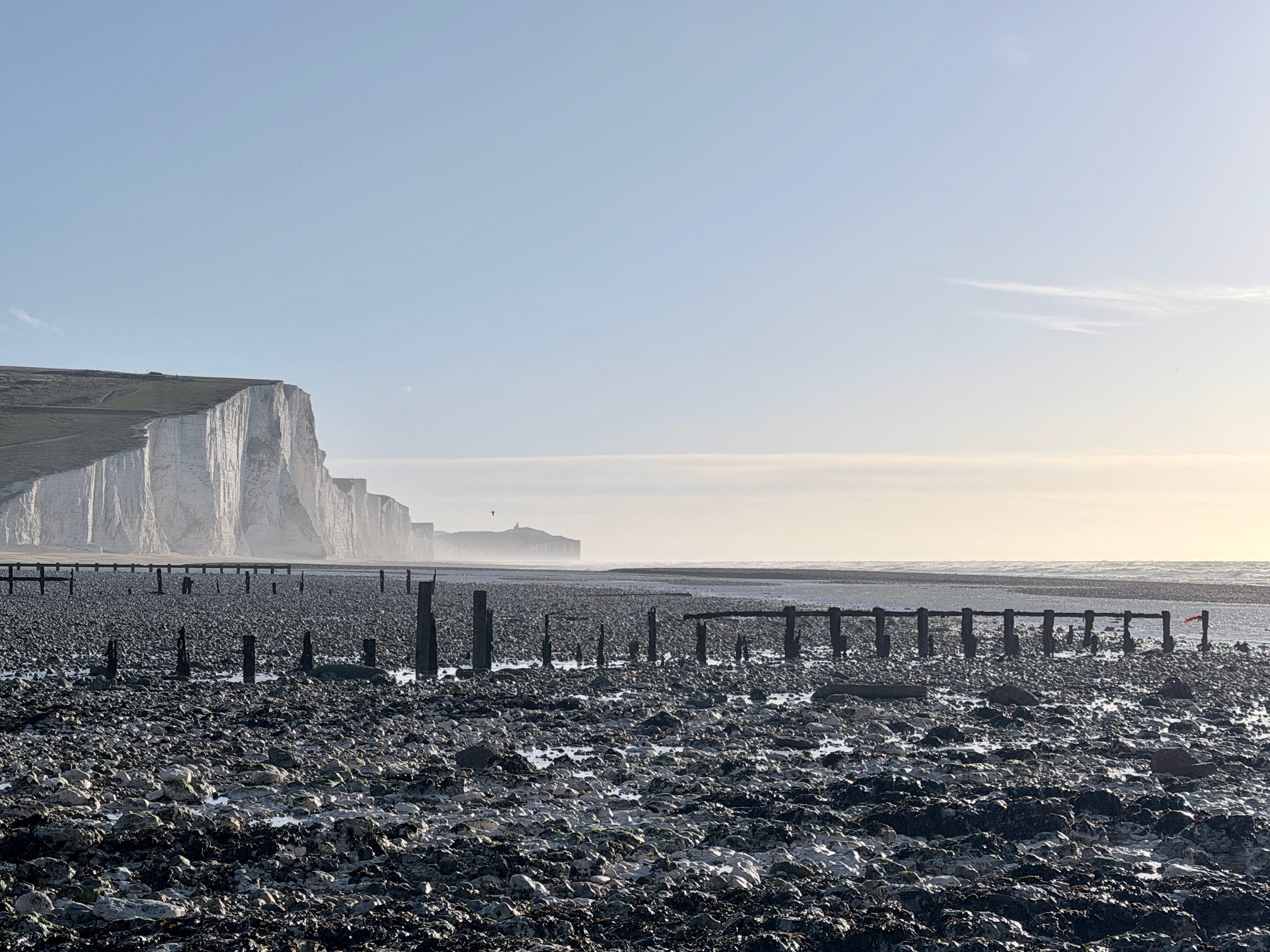
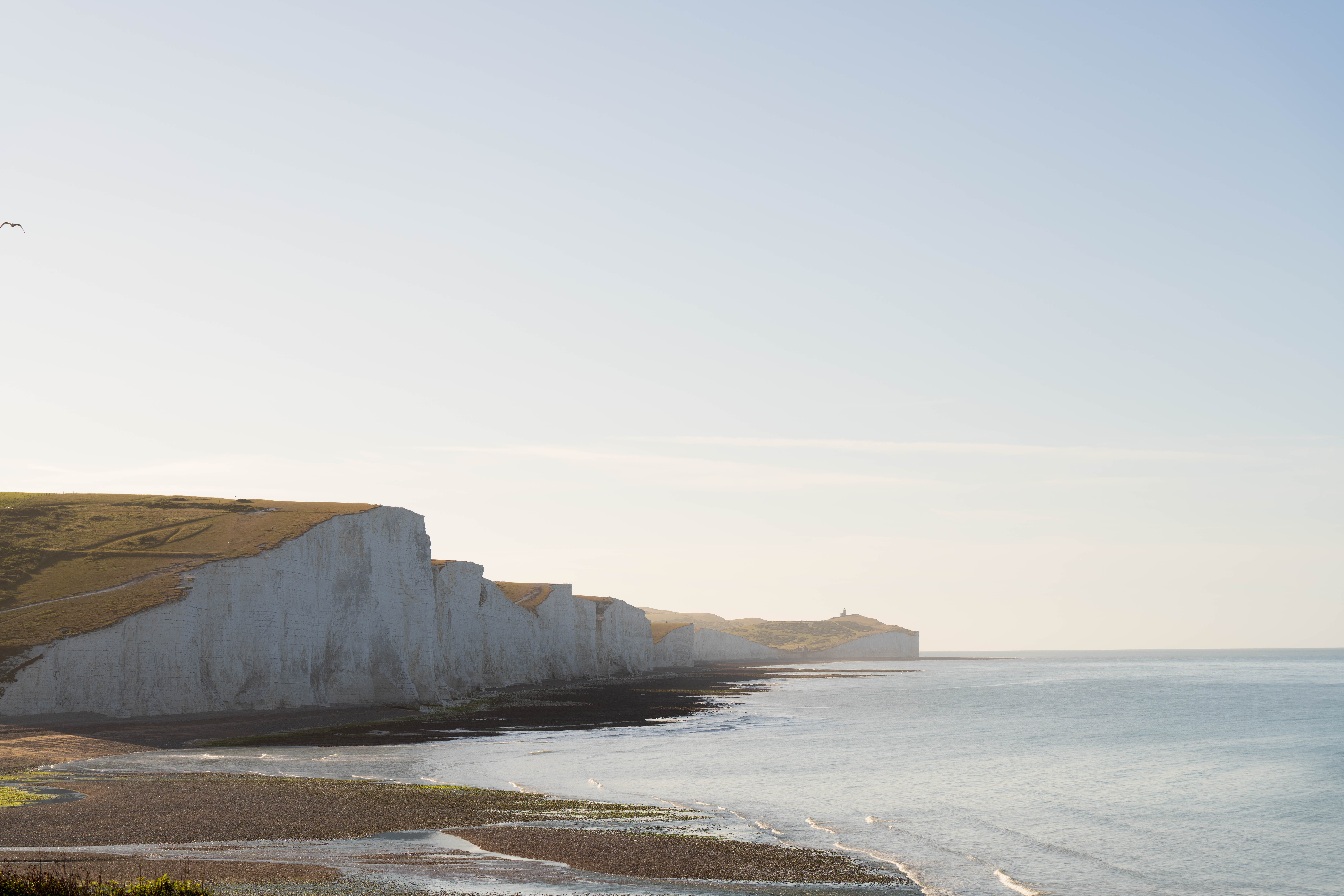
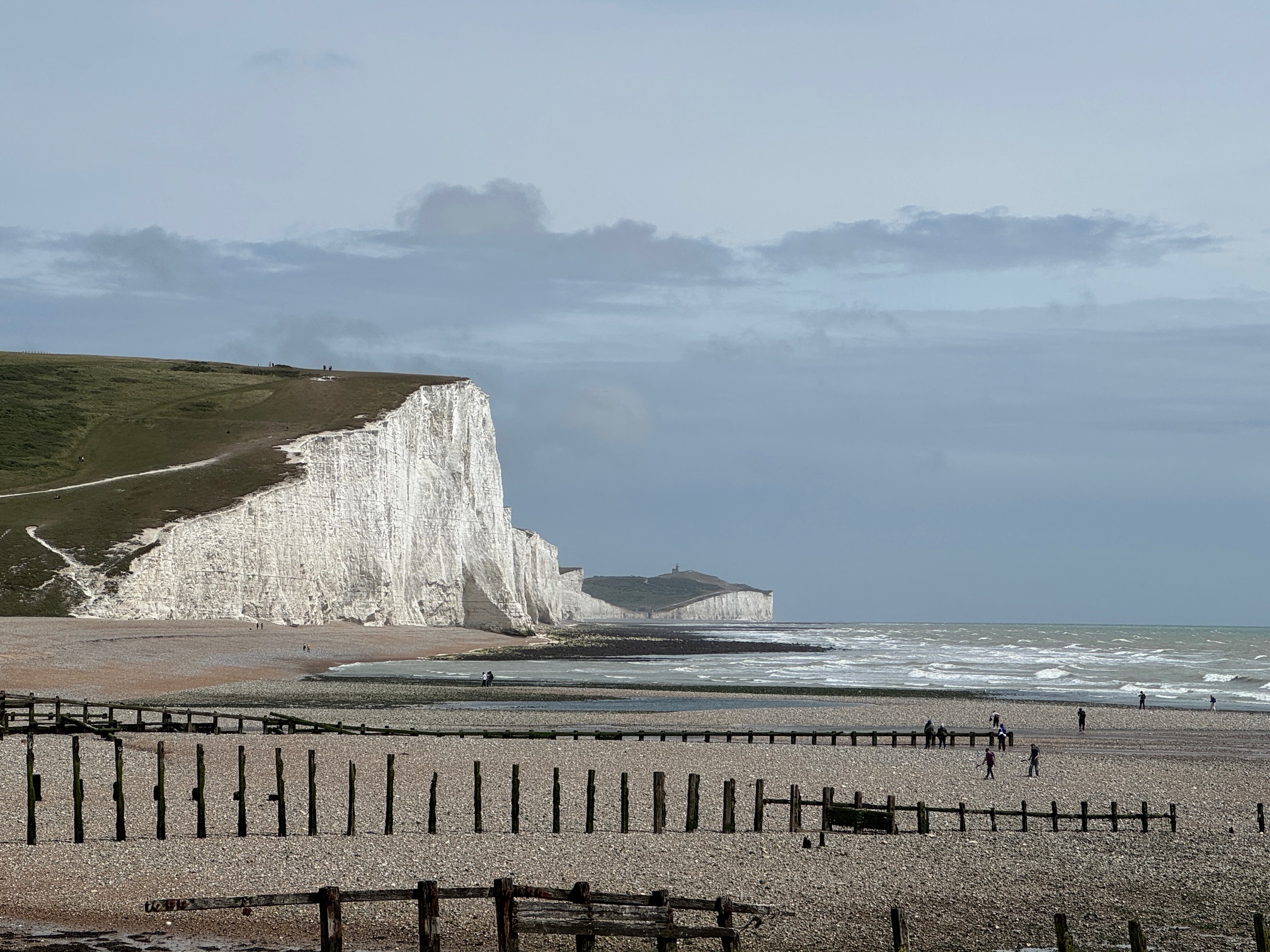
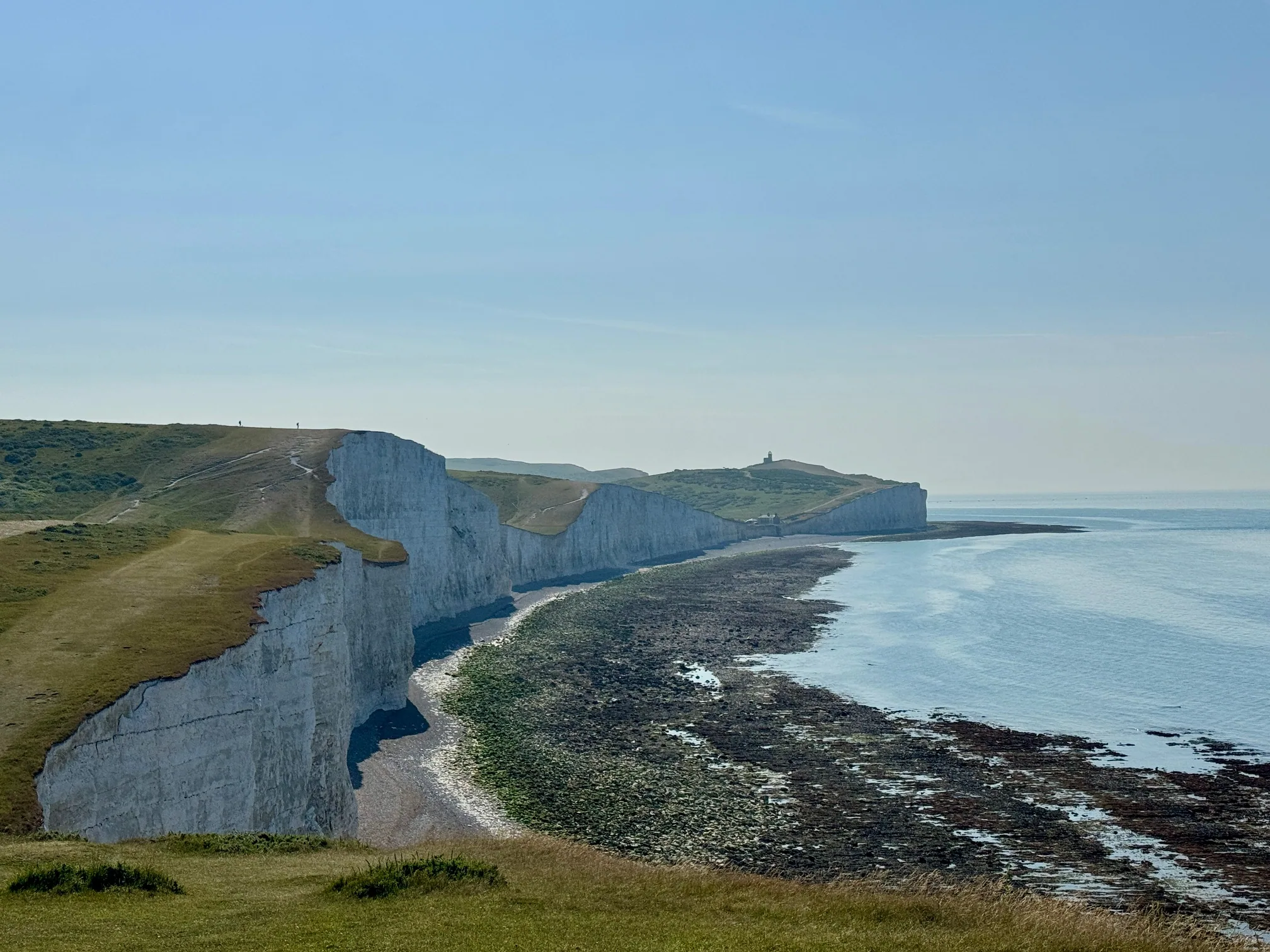
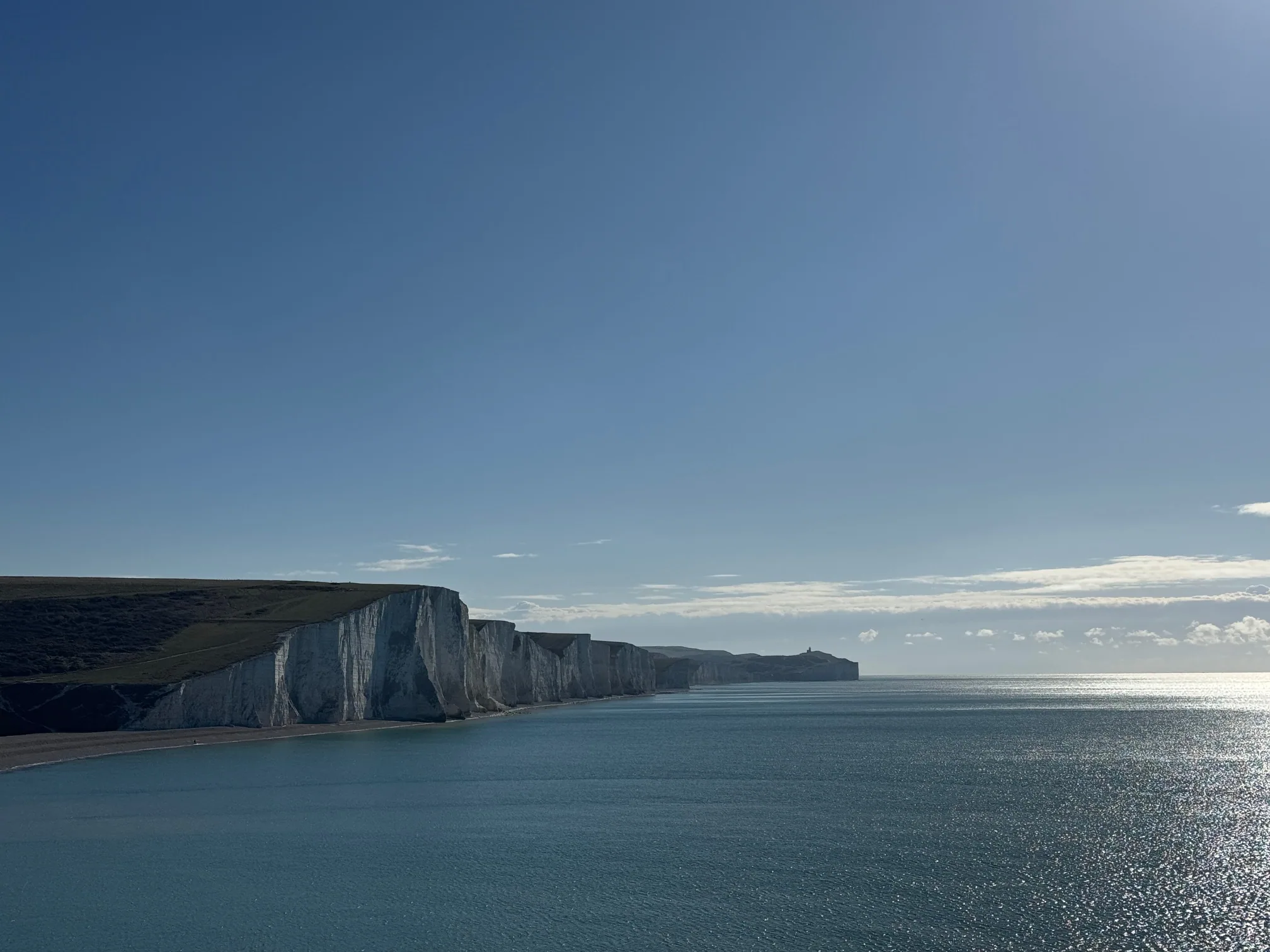
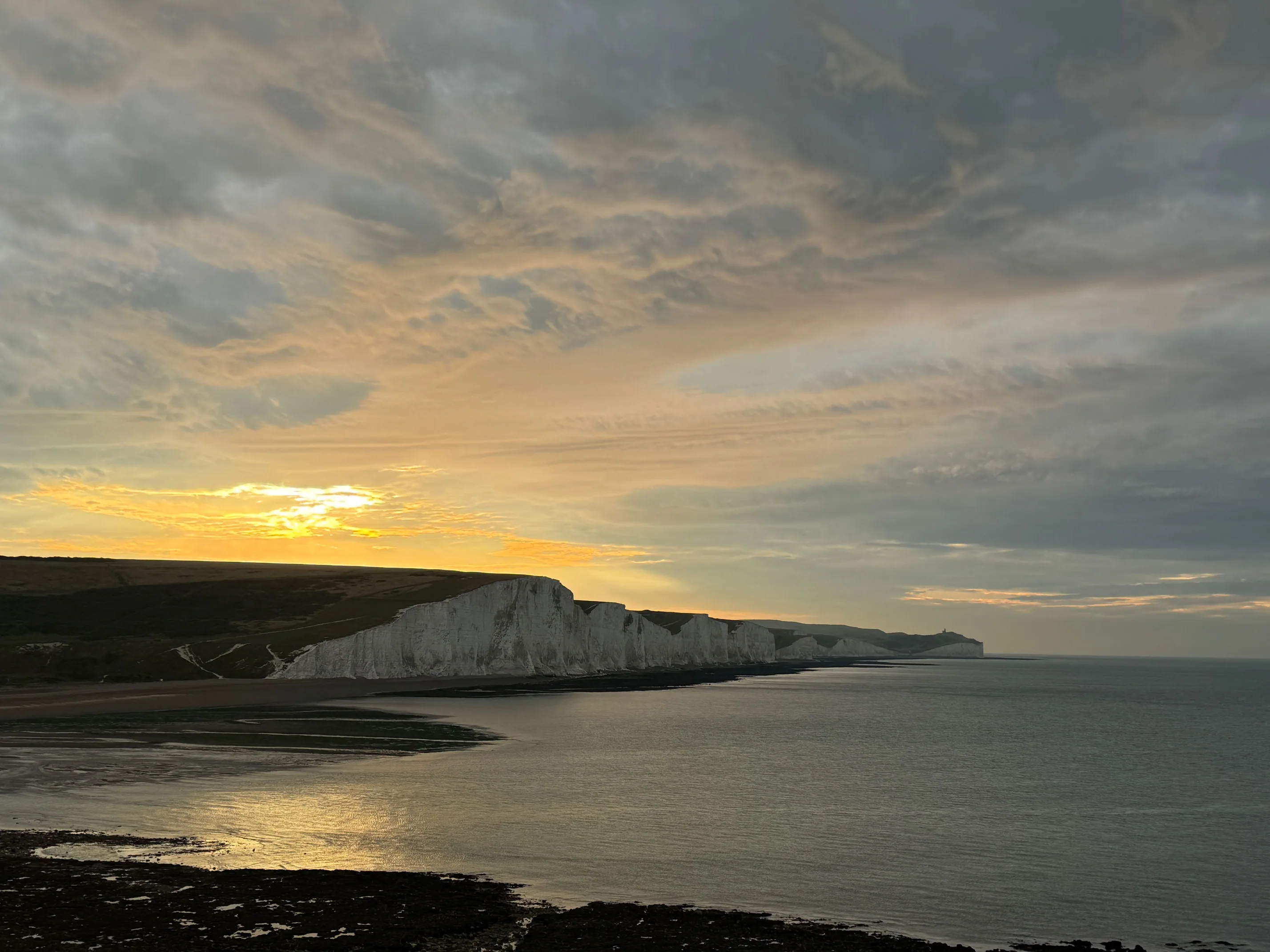
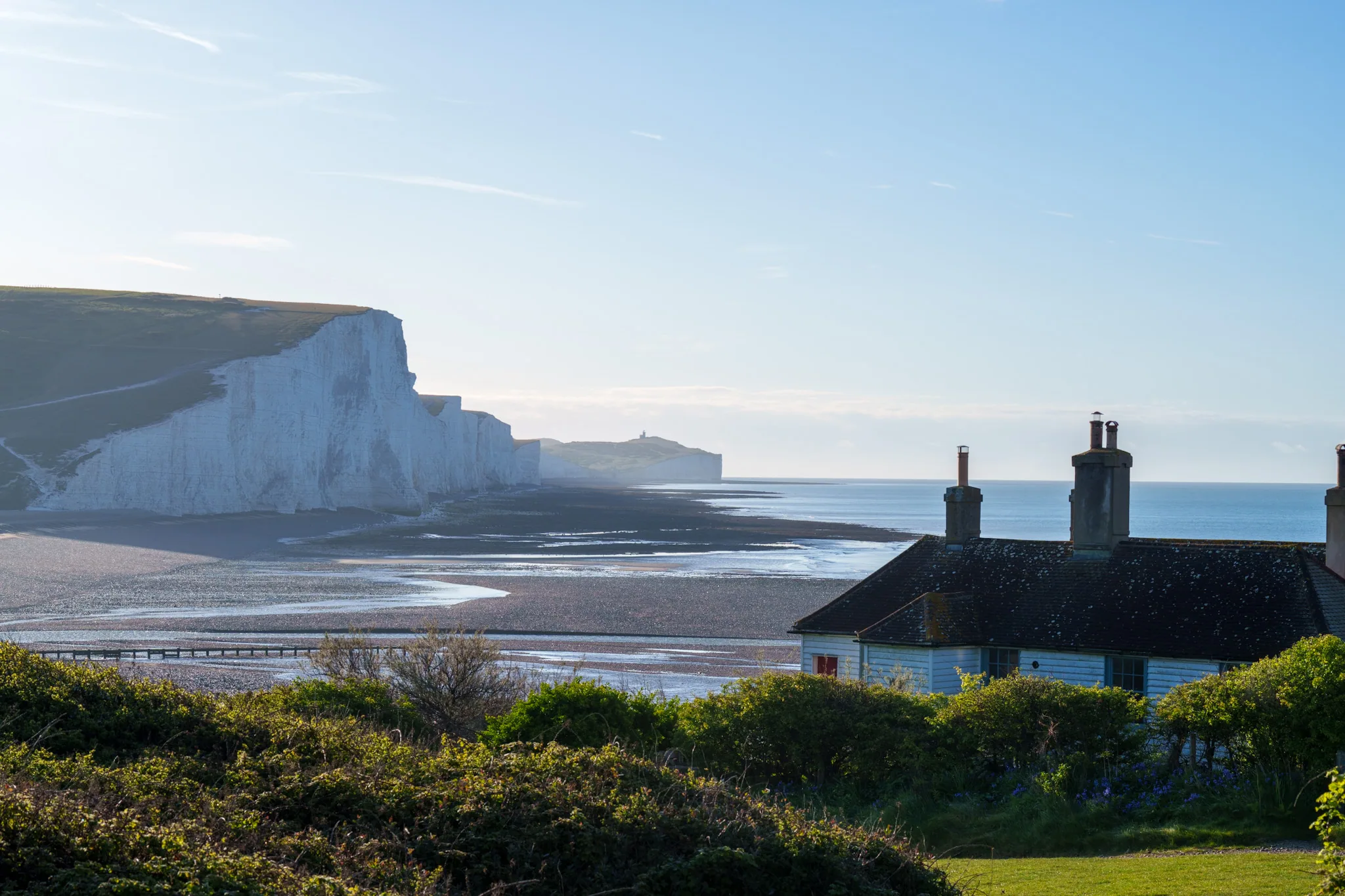
Sunrise and sunset transform Seven Sisters from "nice white cliffs" to "spectacular photographic subject." The low-angle light creates texture, warmth, drama that midday sun cannot touch. But timing varies dramatically by season—June sunrise at 4:45am requires serious commitment, while October sunrise at 7:00am is civilized.
We've shot sunrise here many times, across every season. We've learned which months offer reasonable wake-up times, which viewpoints catch first light, how golden hour windows expand and contract through the year. This is everything we know—practical timing for photographers and anyone wanting to experience the cliffs at their most beautiful.
Quick answer: September-October best overall (6:30-7:00am sunrise, reasonable timing, golden autumn light). June-July has longest golden hour but brutal 4:45am sunrise. Winter offers late sunrise (8:00am) but short, cold golden hour.
Monthly Sunrise & Sunset Times
Times shown are approximate for mid-month. Actual sunrise/sunset varies by 1-2 minutes daily. All times BST (British Summer Time) where applicable.
JUNE: Longest Days
BRUTAL EARLYSunrise
4:45-5:00am
Sunset
9:00-9:15pm
Daylight Hours
16+ hours
Golden Hour AM
4:45am - 6:30am (1hr 45min)
Long, beautiful light
Golden Hour PM
7:30pm - 9:15pm (1hr 45min)
Perfect evening timing
💡 Photography Note
Sunrise requires 4:00am wake-up minimum (brutal commitment). Sunset perfect timing—civilized hour, no early alarm. We mostly shoot sunset in June, sunrise requires too much dedication.
JULY
Sunrise
5:00-5:30am
Sunset
8:45-9:00pm
Golden Hour AM
5:00-6:45am
Golden Hour PM
7:15-9:00pm
Still early but slightly more manageable. Sunset remains perfect timing.
AUGUST
Sunrise
5:45-6:15am
Sunset
8:00-8:30pm
Golden Hour AM
5:45-7:15am
Golden Hour PM
6:30-8:30pm
Getting more reasonable. Days shortening noticeably from early to late August.
SEPTEMBER: Sweet Spot
RECOMMENDEDSunrise
6:30-7:00am
Sunset
7:00-7:30pm
Daylight Hours
12-13 hours
Golden Hour AM
6:30am - 8:00am (1hr 30min)
Manageable wake-up time
Golden Hour PM
5:30pm - 7:30pm (2 hours)
Perfect evening schedule
🏆 Why We Love September
Sunrise at 6:45am = reasonable wake-up (5:45am arrival). Sunset at 7:00pm = dinner afterward. Golden autumn light, warm tones, comfortable temperatures. Fewer crowds post-summer. This is when we shoot most often.
OCTOBER: Photographer's Favourite
DRAMATIC LIGHTSunrise
7:00-7:30am
Sunset
6:00-6:30pm
Daylight Hours
10-11 hours
Golden hour: AM 7:00-8:30am (90 mins) • PM 4:30-6:30pm (2 hours). Easier timing, dramatic autumn light, moody skies often. Clocks go back late October (back to GMT), sunrise suddenly at 7:30am (even easier).
APRIL-MAY: Spring Mornings
Sunrise
6:00-6:30am
Sunset
8:00-8:30pm
Golden Hour AM
6:00-7:30am
Golden Hour PM
6:30-8:30pm
Bonus: Wildflowers (cowslips, orchids) at peak. Green cliffs. Manageable sunrise timing. Excellent overall.
WINTER (November-February)
Sunrise
7:00-8:00am
Sunset
4:00-5:00pm
Daylight Hours
8-9 hours
Golden Hour AM
7:00am - 8:00am (short!)
Late sunrise = lie-in possible
Golden Hour PM
3:30pm - 5:00pm (short!)
Early finish required
❄️ Winter Characteristics
Pros: Late sunrise (no 4am alarm), dramatic storm light, moody atmospheric conditions, empty (almost no one else there).
Cons: Short golden hour (30-45 mins max), cold (0-5°C typical), dark access paths need torch, weather unpredictable. For experienced winter photographers only.
MARCH: Spring Transition
Sunrise
6:30-7:00am
Sunset
6:00-7:00pm
Golden Hour AM
6:30-8:00am
Golden Hour PM
5:00-7:00pm
Days lengthening rapidly. Clocks forward late March (jump to BST). Suddenly much lighter in evenings.
Best Viewpoints by Time of Day
SUNRISE Viewpoints
Cuckmere Haven Meanders
CLASSICStart point: Exceat car park, 50.7779, 0.1497 • Arrival time: 30 mins before sunrise
What you'll shoot: Oxbow meanders in foreground, Seven Sisters backdrop, sunrise from left (southeast) illuminating cliffs.
Challenge: Popular—5-10 photographers summer weekends. Arrive early for prime position.
Access: 20-min flat walk from Exceat car park. Easy in dark with torch.
Seaford Head Looking East
FAVORITEGPS: 50.7567, 0.1333 • Arrival time: 30 mins before sunrise
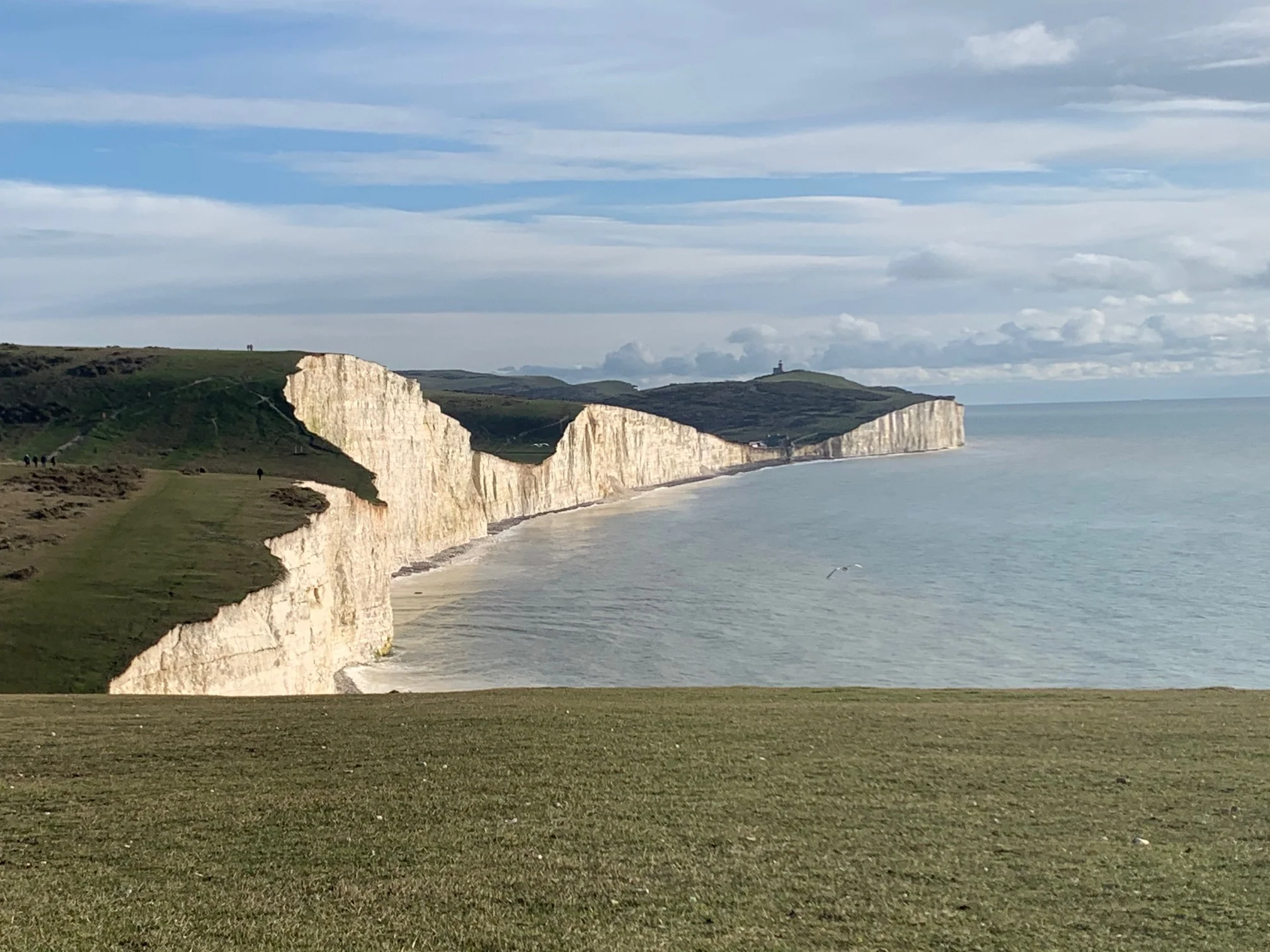
What you'll shoot: All seven sisters in profile, sunrise side-lighting from east, every peak perfectly visible.
Why we love it: Empty (almost no one here at sunrise), spectacular view, telephoto compression makes peaks dramatic.
Access: 45-min steep climb from Seaford. Need torch for dark ascent. Worth the effort.
Birling Gap Beach
GPS: 50.7417, 0.2005 • Requires: Down 83 steps pre-sunrise (torch essential)
What you'll shoot: Beach level looking up at cliffs, sunrise illuminating chalk from side, dramatic perspective.
Challenge: Steps in dark, carrying camera gear, tide check essential (don't get trapped). Advanced only.
🌅 Sunrise Direction
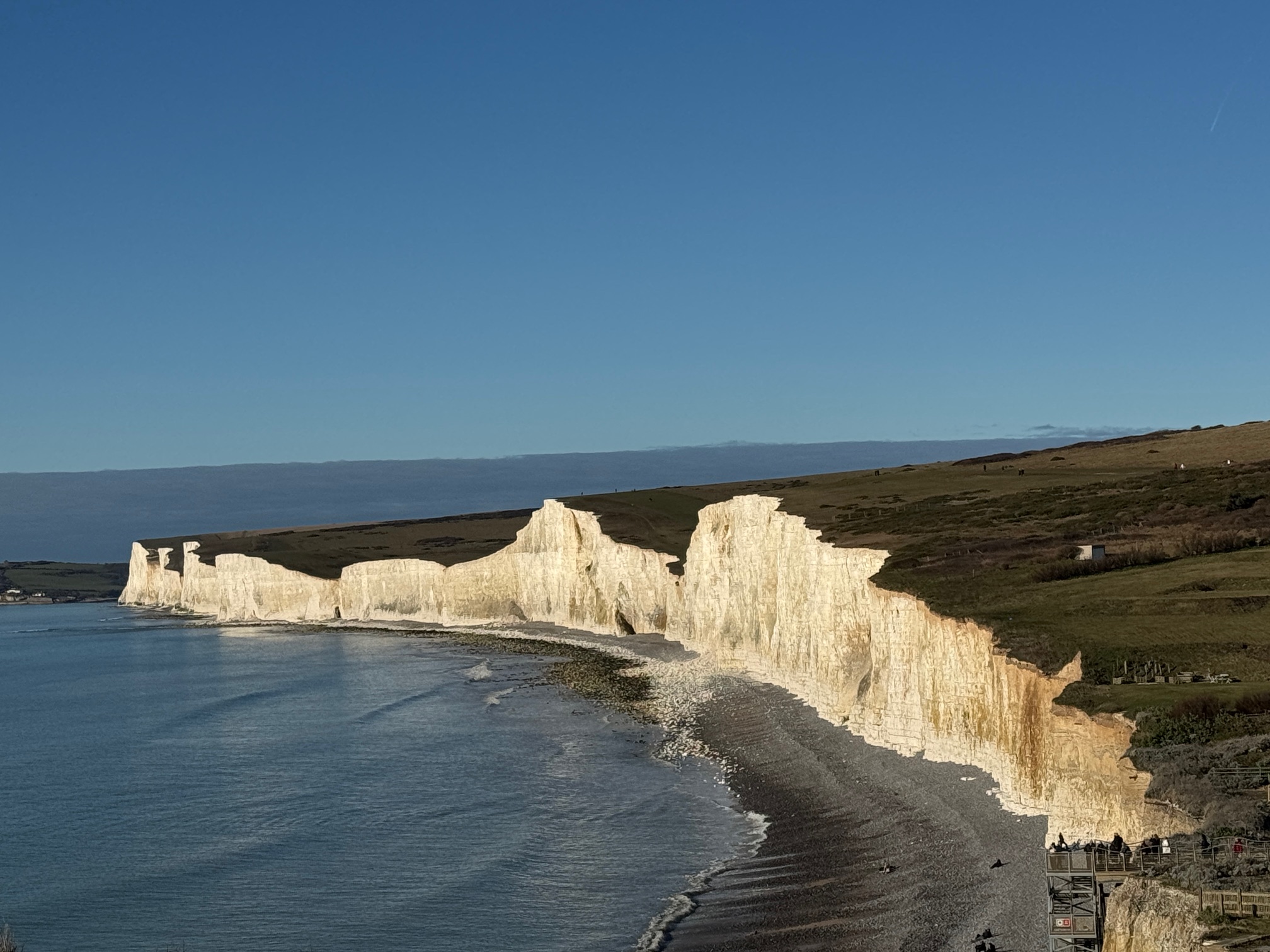
Seven Sisters face south/southeast. Sunrise comes from east (left when facing cliffs from south). Best illumination is side-lighting—cliffs catch golden glow without being backlit.
SUNSET Viewpoints
Birling Gap Beach Looking West
DRAMATICWhat you'll shoot: Sunset over Seven Sisters ridge, cliffs silhouetted against orange sky, waves catching last light.
Technique: Expose for sky (cliffs go silhouette) or HDR bracket for detail in both.
Access: 83 steps down. Easier than sunrise (daylight descent). Stay for blue hour after sunset.
Belle Tout Lighthouse Area
GPS: 50.7382, 0.2103 • Best for: Lighthouse silhouette + sunset
What you'll shoot: Belle Tout lighthouse left third, Seven Sisters right, sunset between. Classic composition.
Blue hour bonus: Stay 30 mins after sunset. Lighthouse lights up, sky goes deep blue, magic happens.
Haven Brow Summit
GPS: 50.7560, 0.1605 • 360° views
What you'll shoot: Sunset to west (inland), last light on cliffs, panoramic evening shots.
Wind warning: Extreme at summit. Weight tripod. Hold hat. Serious.
Planning Your Sunrise/Sunset Shoot
Arrival Time (Critical)
- • Sunrise: Arrive 30 mins before (setup, compose, test settings)
- • Sunset: Arrive 45 mins before (light changes earlier than actual sunset)
- • Blue hour: Stay 20-40 mins after sunset (often best light)
- • Our schedule (May example): Sunrise 6:52am → arrive 6:15am → setup 6:15-6:30am → shoot 6:30-8:00am
What to Bring
- • Torch/headlamp: Essential winter, useful summer (dark paths)
- • Warm layers: Pre-dawn cold even summer (10-12°C typical)
- • Tripod: Slow shutters in low light (essential)
- • Spare batteries: Cold drains batteries fast
- • Hot drink: Thermos makes waiting comfortable
Photography Settings
- • Sunrise start: ISO 800-1600, drop as light increases
- • Sunset start: ISO 200-400 usually sufficient
- • Aperture: f/8-f/11 (landscape sharpness)
- • Shutter: 1/60s-1s typical (tripod required)
- • White balance: Daylight or shoot RAW (adjust later)
Detailed settings in our photography guide
Access Challenges
- • Dark paths: Torch essential for winter sunrise/sunset
- • Car park barriers: Exceat closes dusk (check times)
- • Safety: Cliff edges invisible in dark (stay back 10m)
- • Weather: Changes fast, check forecast, have backup plan
💡 Our Sunrise Shoot Routine
Example: September sunrise (6:45am)
- • 5:45am: Leave home/accommodation
- • 6:10am: Arrive Exceat, park, grab gear
- • 6:15am: Start walk to Cuckmere Haven (torch if needed)
- • 6:30am: Arrive viewpoint, setup tripod, compose, test shots
- • 6:45am: Sunrise begins
- • 6:45-8:00am: Golden hour shooting (75 mins)
- • 8:15am: Pack up, breakfast at Exceat café (opens 10am—bring snacks!)
Why Golden Hour Matters for Chalk Cliffs
❌ Midday Sun (Avoid)
- • Sun directly overhead
- • Chalk looks flat white (no texture)
- • Harsh shadows (short, hard)
- • No depth or dimension
- • Photographic equivalent of fluorescent office lighting
✓ Golden Hour (Perfect)
- • Low-angle light rakes across cliff face
- • Emphasizes every contour, fold, texture
- • Chalk takes warm tones (cream, gold, pink)
- • Grass glows (backlit)
- • Three-dimensional instead of flat
Blue hour (20-40 minutes after sunset) offers different magic: deep blue sky, last glow on cliffs, potential for long exposures with artificial lights (Belle Tout lighthouse, ships on horizon). We often stay past sunset specifically for blue hour shots—different aesthetic from golden hour but equally spectacular.
📸 Our Results
90% of our portfolio shots taken during golden hour or blue hour. Midday shots: technically fine, creatively boring. The wait for perfect light is worth it every time. Chalk cliffs need directional light to reveal their beauty.
Planning the walk itself?
Four routes run along these cliffs and they are not interchangeable — a flat 3km riverside stroll, the classic 6.5km Exceat to Birling Gap crossing, a short Birling Gap loop, and the full 21.9km Seaford to Eastbourne ridge. Compare distance, ascent and difficulty before you pick one.
- Easy Birling Gap Short Loop 2 km 45 min
- Easy Cuckmere Haven Beach 3 km 1 hour
- Moderate Exceat to Birling Gap 6.5 km 2-3 hours
- Challenging Seaford to Eastbourne 21.9 km 6-7 hours
We may earn a small commission on bookings made through this link, at no extra cost to you. More info.
£4.99 · 24-page PDF · Instant download
The Seven Sisters Ultimate Guide
The complete 24-page companion built from first-hand walks — every cliff, all four graded routes, tide windows and a parking strategy. Designed to work offline, right on the cliff top.
- All 7 cliffs — heights, geology & viewpoints
- Four graded walking routes, compared
- Tide windows, light calendar & day plans
- Parking strategy & seasonal planner
Just want the basics? Download the free 2-page walk guide
Want an expert-led Seven Sisters tour?
From guided cliff walks and wildlife safaris to geology hikes and photography tours — explore all our curated experiences with local guides.