Bird Migration at Seven Sisters: When and Where to Watch
Bird Migration at Seven Sisters
Spring and autumn passage, best vantage points, species by month — and why the chalk headland matters
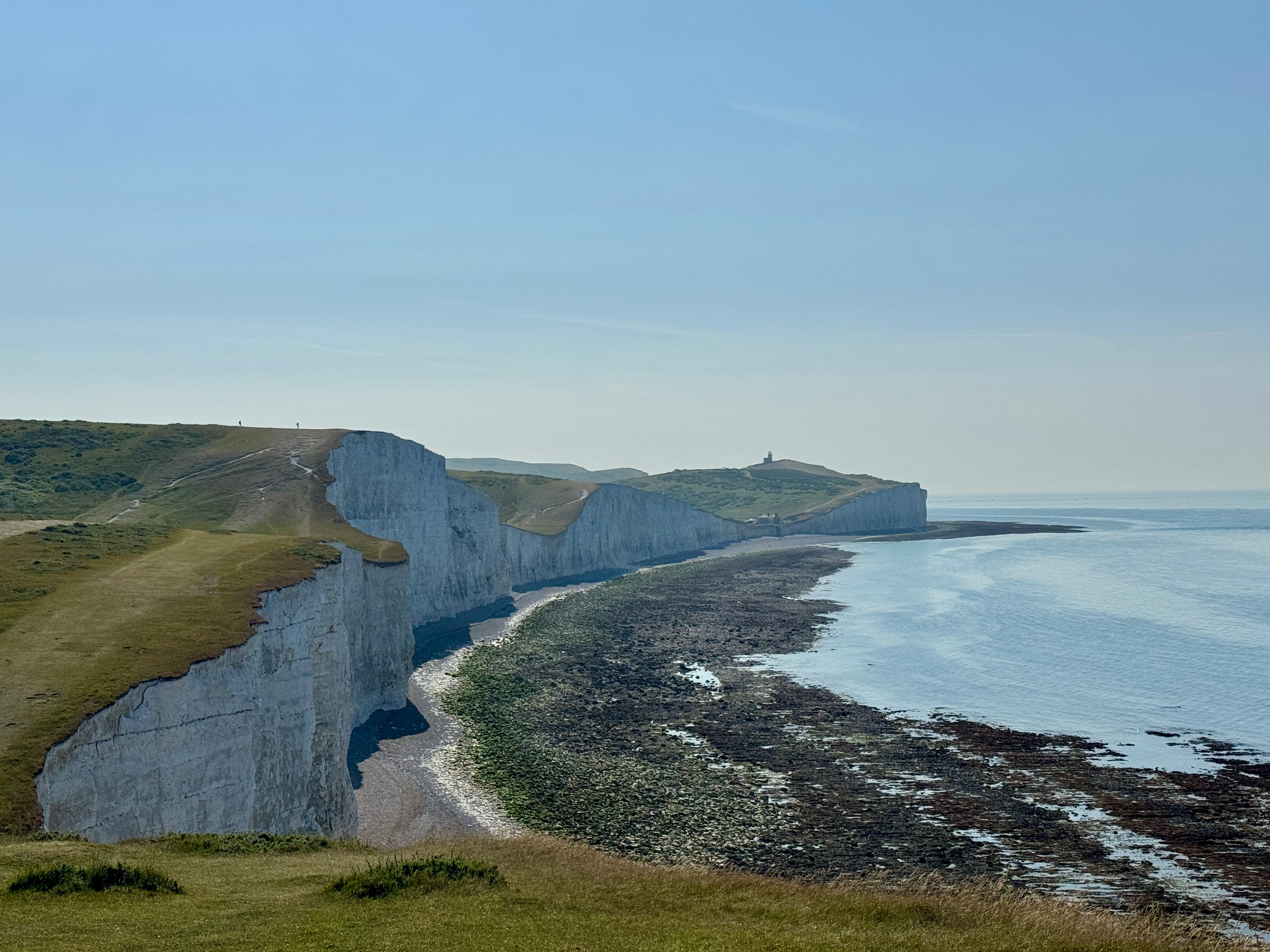
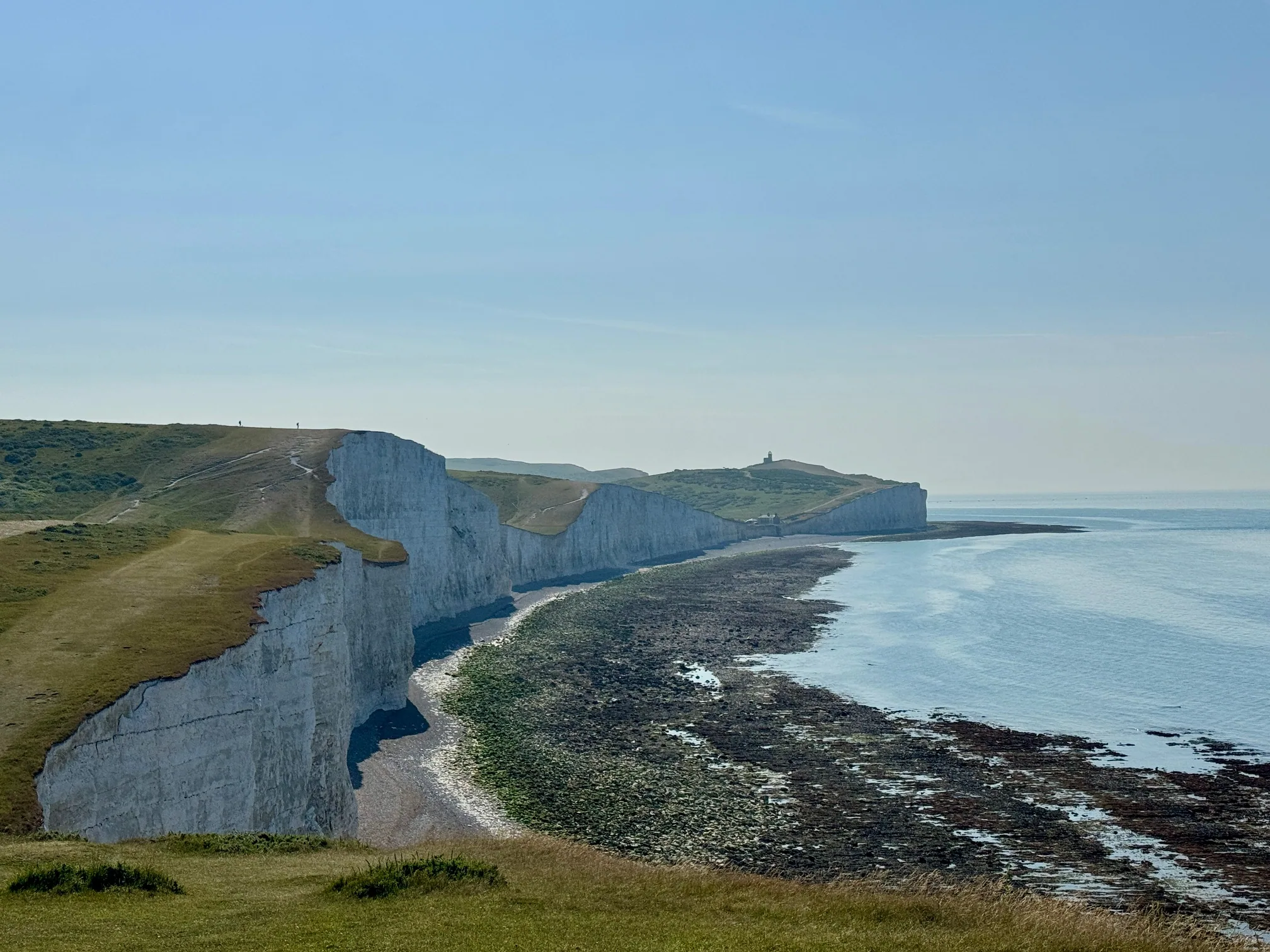
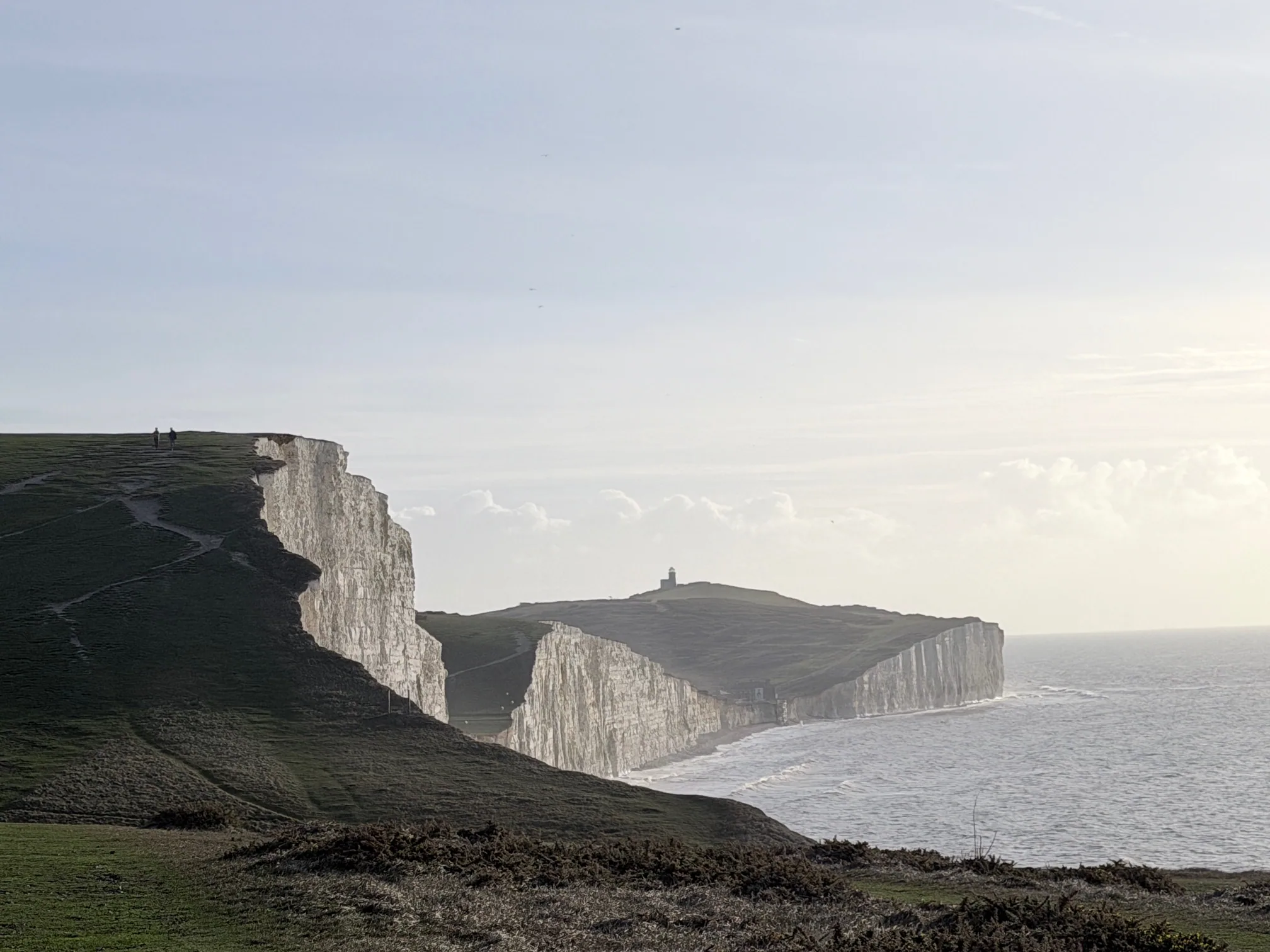
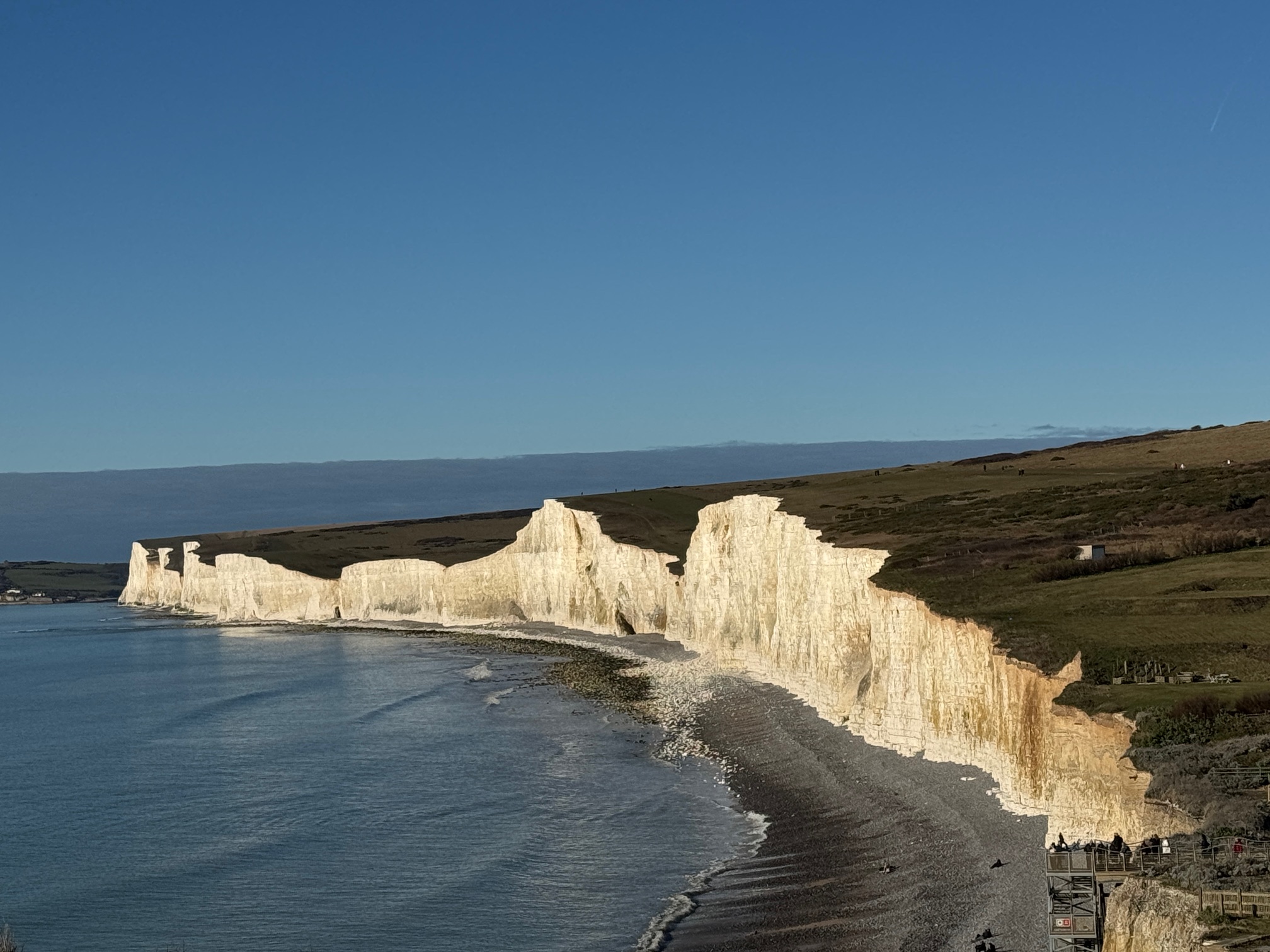
The Seven Sisters chalk headland acts as a natural funnel for migrating birds. Twice a year — spring and autumn — millions of birds cross the English Channel. Many make landfall at the first high ground they encounter on the Sussex coast. The clifftop grasslands, Cuckmere estuary, and Seaford Head offer ideal conditions to witness this: open skies, predictable flight lines, and a habitat mix that causes birds to linger. You do not need to be an expert birder. You need to be in the right place at the right time.
Why This Coastline Draws Migrants
Bird migration over the English Channel is driven by geography. Birds crossing from France aim for the nearest English landfall, which along this stretch of coast is the chalk cliffs between Seaford and Eastbourne. The chalk headland at Seaford Head is the furthest south-east point before Beachy Head, and birds arriving from the south often congregate here, grounding on the clifftop grassland to feed and rest before moving inland.
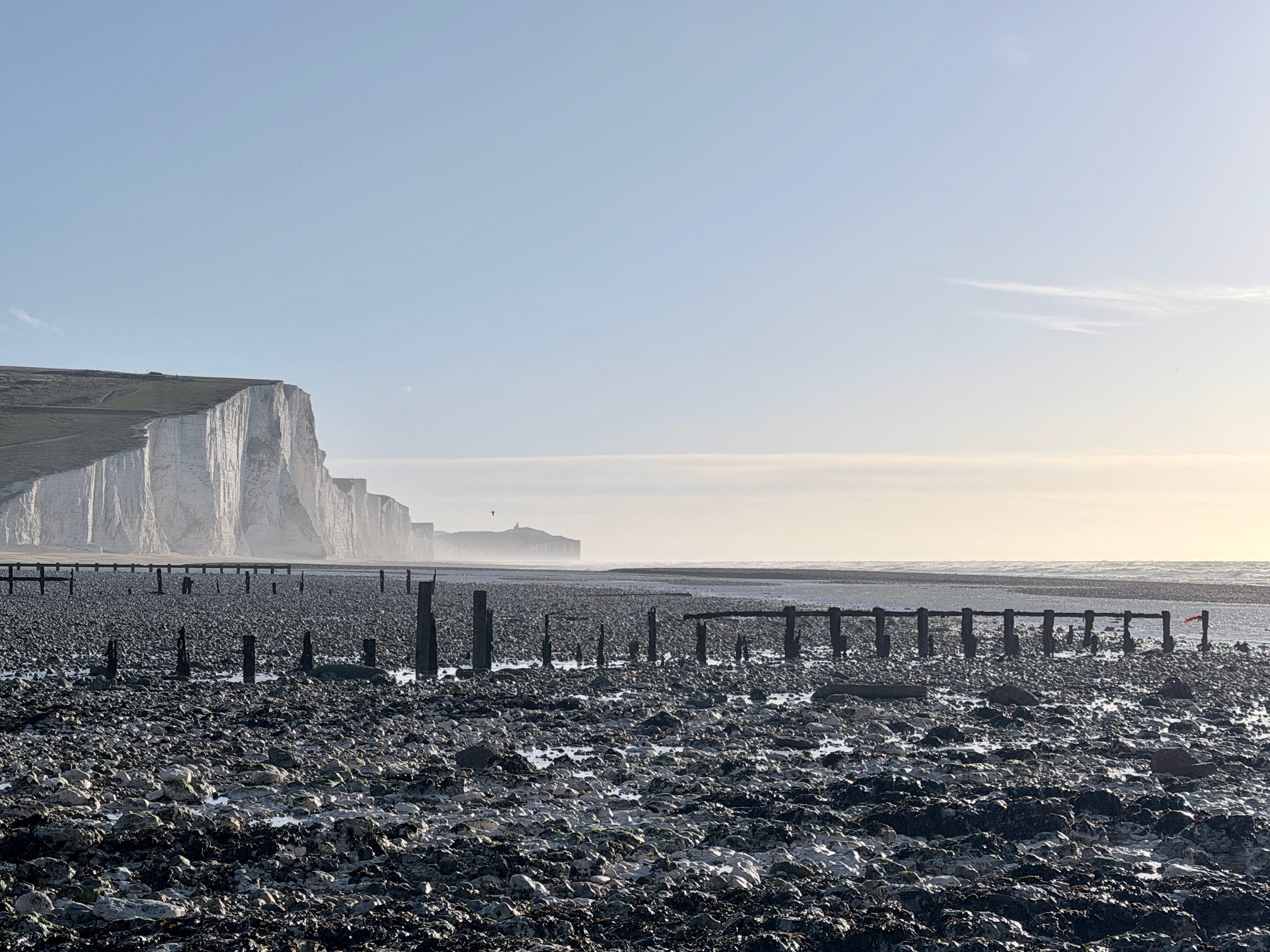
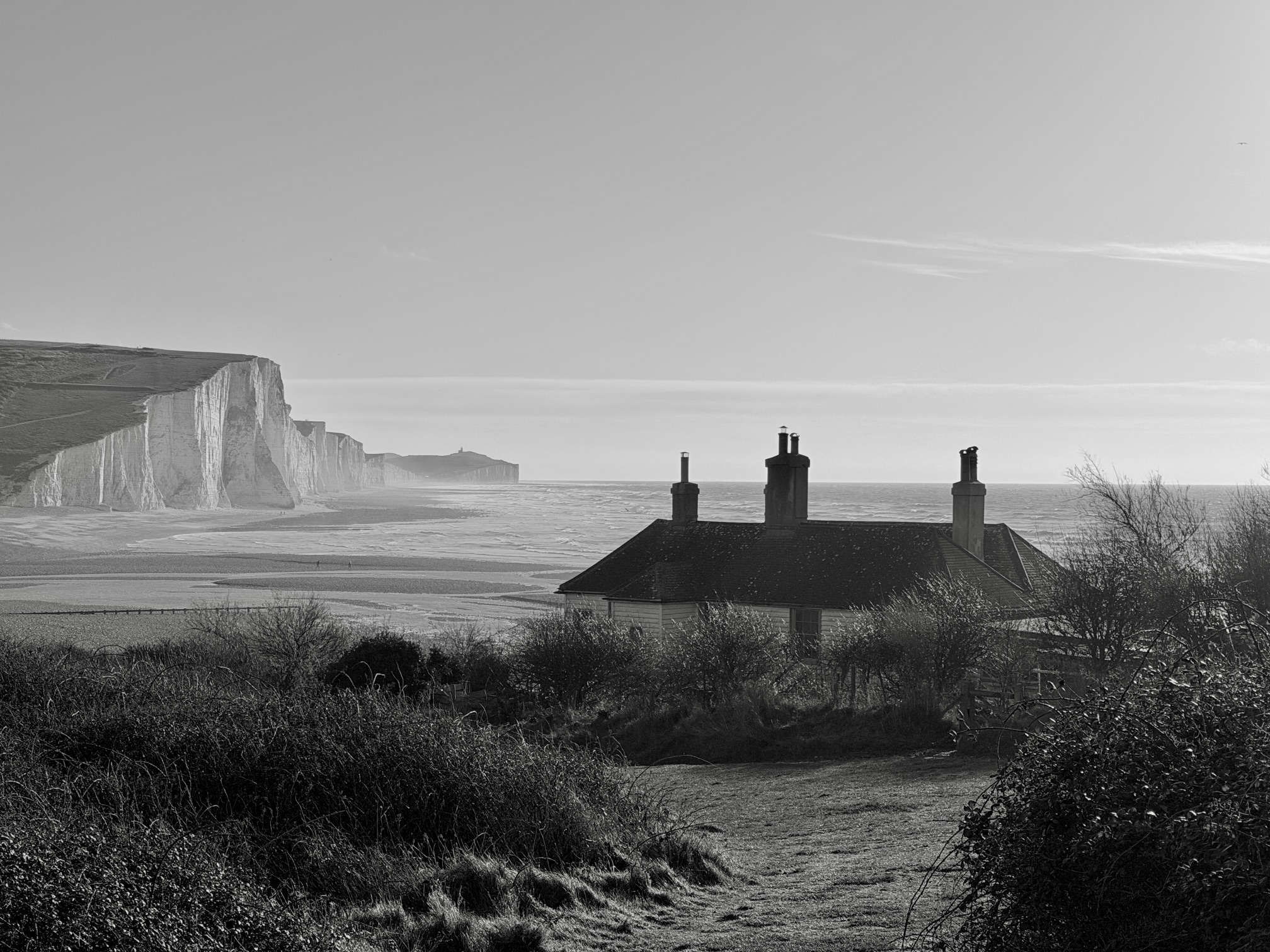
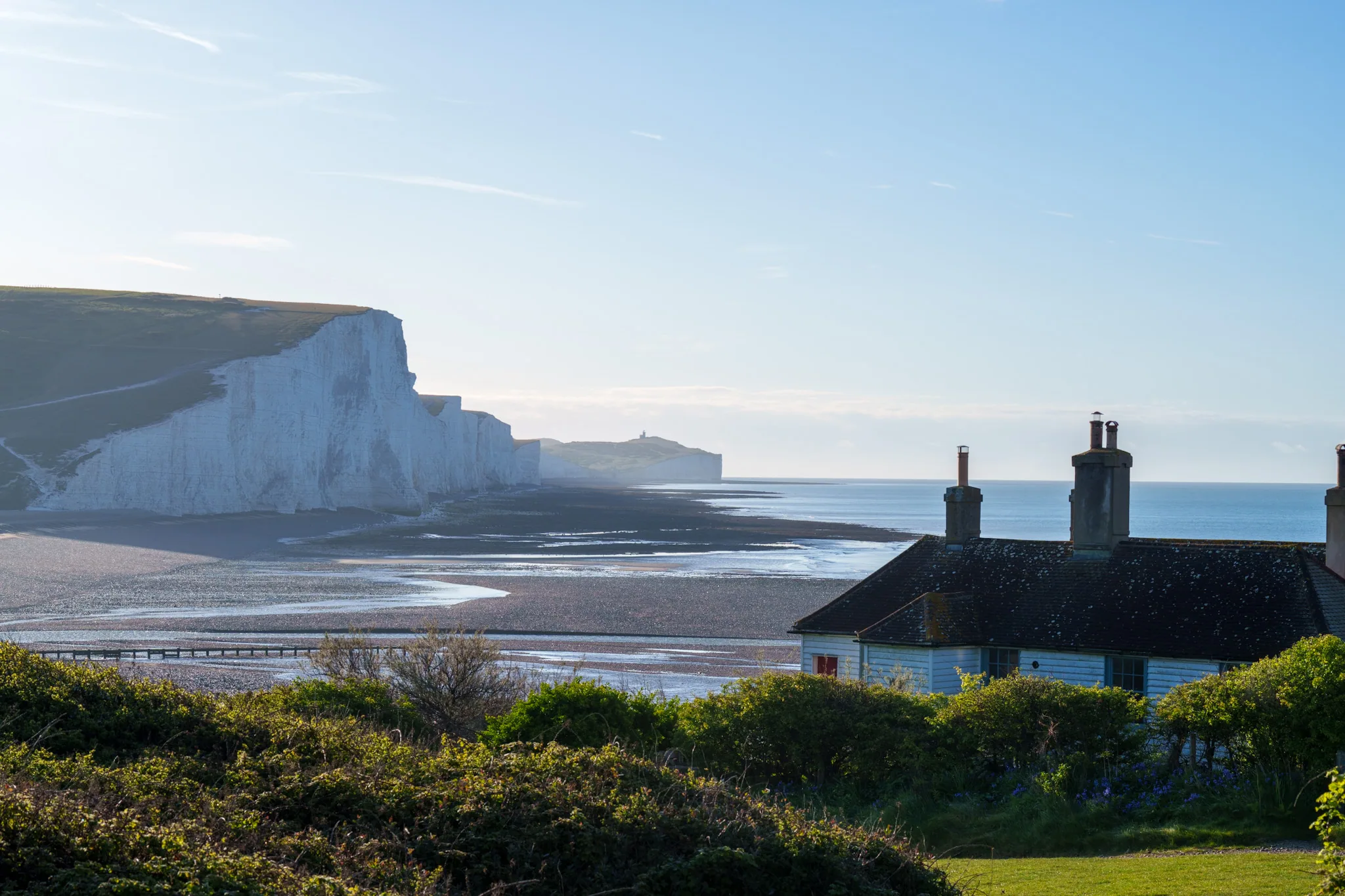
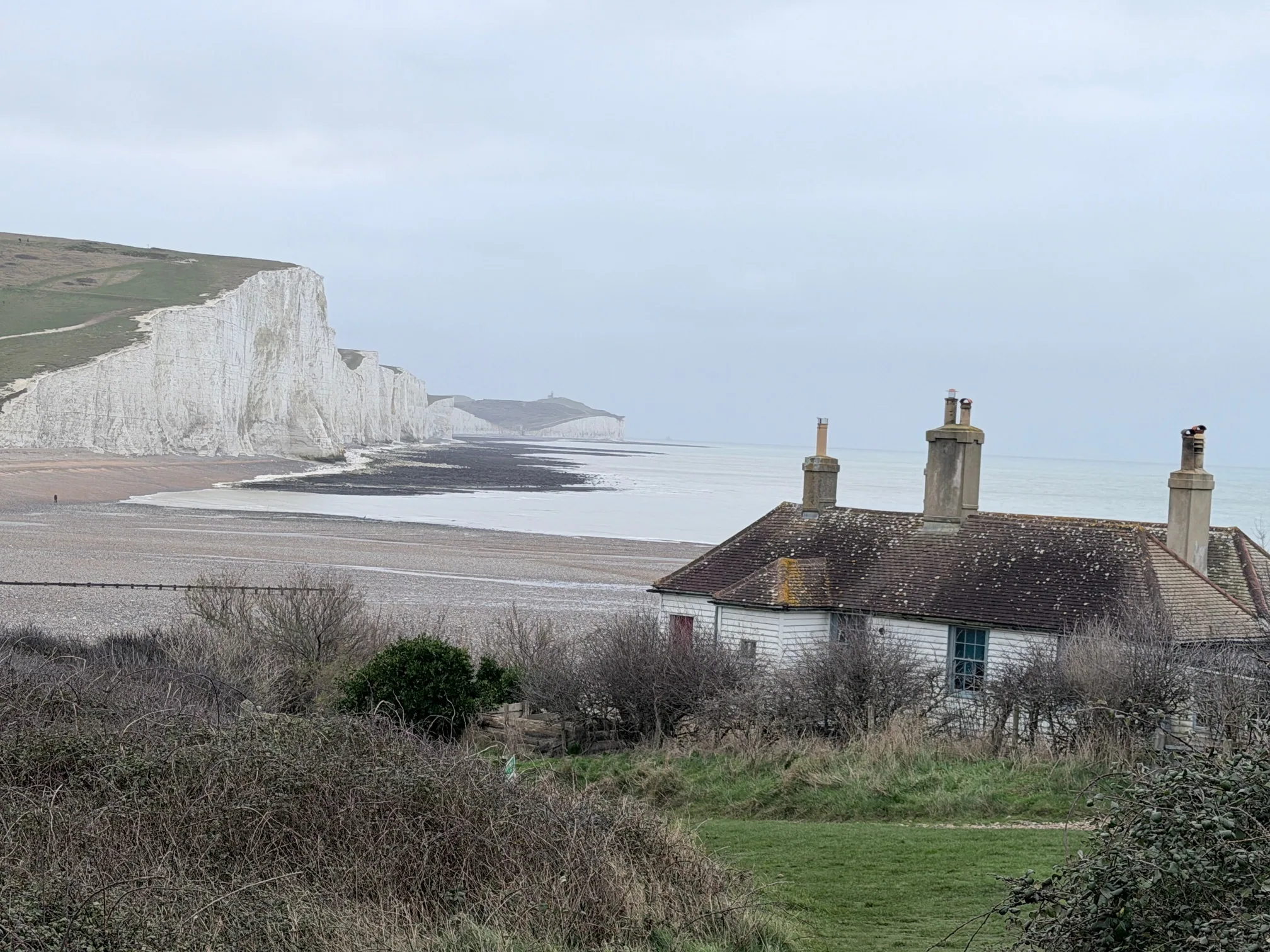
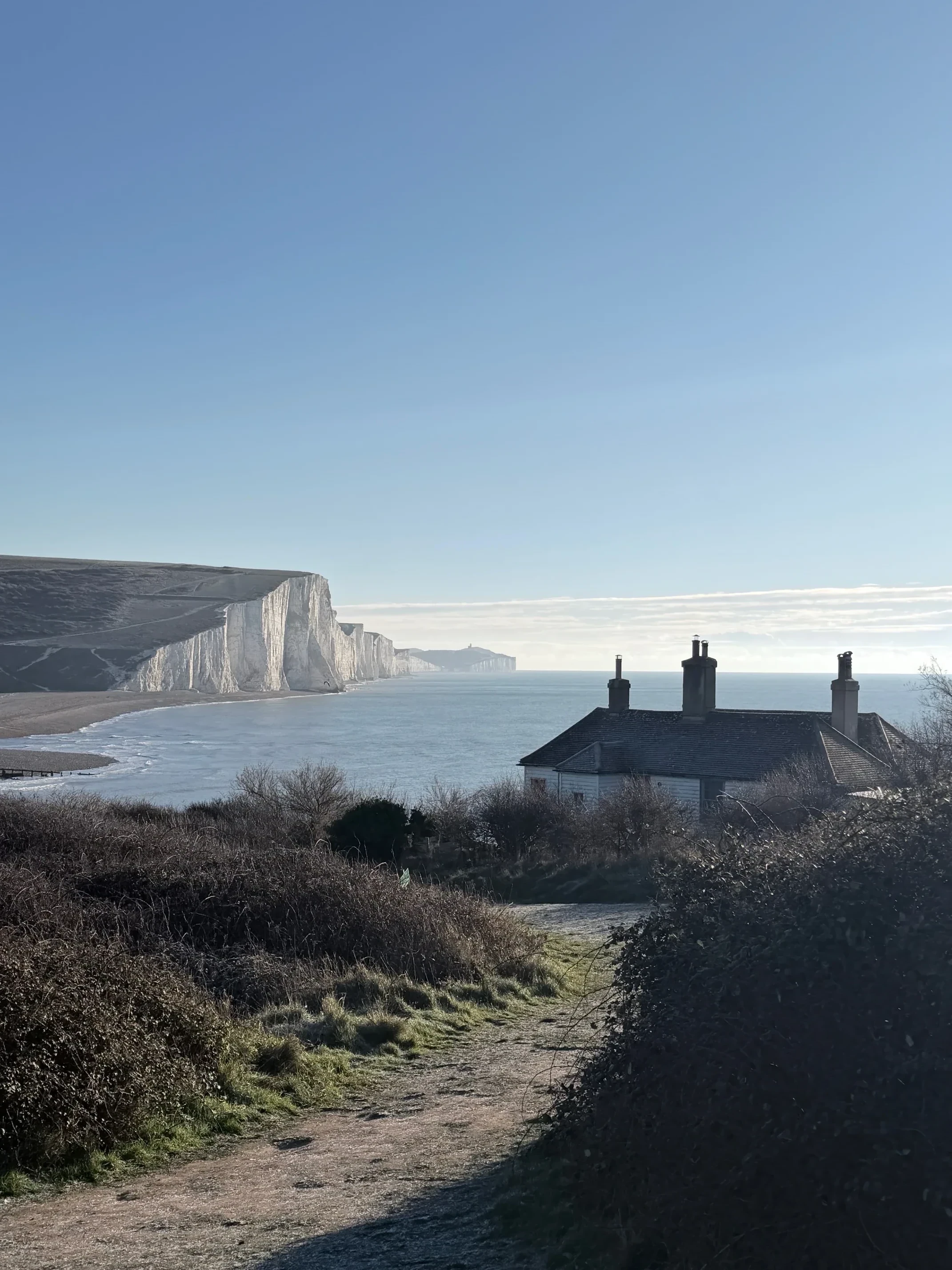
The Cuckmere estuary compounds this. The river valley and its wetlands offer food and shelter that pure clifftop habitat cannot — waders probe the estuary mud, hirundines hawk insects over the river, and raptors hunt the valley edge. A morning in autumn spent watching from the clifftop above the estuary can produce a remarkable range of species.
Spring Migration: March to May
Spring migration through the Seven Sisters area runs from mid-March to the end of May, with distinct pulses of different species as the season progresses.
March and Early April
The first spring arrivals are often wheatears — small, upright birds with a distinctive white rump patch — which appear on the clifftop grassland from mid-March onwards. Chiffchaffs and some early willow warblers follow. Watch fence lines and exposed rocks; wheatears perch conspicuously.
Mid-April
Swallows begin to arrive from mid-April, often first seen hawking low over the Cuckmere valley. House martins and sand martins follow. By late April, whitethroats and blackcaps are establishing in scrub along the valley edges. Redstarts — stunning birds that flash a vivid orange tail — pass through during this window and are worth watching for on Seaford Head clifftop.
May
The richest month for spring migrants. Swifts arrive from early May and are a reliable sight over the cliffs through the month. Garden warblers, lesser whitethroats, and spotted flycatchers pass through. On still, warm nights with southerly winds, the clifftop scrub can be full of overnight arrivals in the morning. The spring wildflower guide gives context on what the broader landscape looks like during this period.
Autumn Migration: July to October
Autumn passage is longer, more complex, and often more productive for variety than spring. Birds are moving in larger numbers — the summer's breeding population plus juveniles of the year — and weather conditions have more influence on where and when they appear.
July and August: Seabird Passage
Offshore seabird migration begins in July. From the cliff edge looking south, Manx shearwaters can be seen moving west along the coast on calm mornings, often in small groups low over the water. Gannets dive offshore throughout the summer. In August, skuas (Arctic and great) move along the coast on westerly winds — these require patience and a telescope, but the sight of a great skua chasing a gannet into the water is extraordinary.
September: The Peak Passage Month
September consistently produces the greatest variety of migrants at Seven Sisters. Conditions after overnight south-easterly winds are particularly good — birds grounded on the clifftop can include all five UK warbler species, pied flycatchers, and occasionally scarcer visitors from the near continent. The Cuckmere estuary draws waders: dunlin, ringed plover, and grey plover appear on the mud at low tide. Hobbies — long-winged falcons — hawk dragonflies and swallows over the valley.
October
By October the cast changes. Summer migrants have largely departed; winter visitors are arriving. Fieldfare and redwing (thrushes from Scandinavia) arrive in October, often heard moving overhead at night and found in berry-laden scrub the next morning. Bramblings pass through with chaffinch flocks. Hen harriers quarter the grassland edges. Short-eared owls begin to appear on Seaford Head.
Best Vantage Points
| Location | Best for | Peak season |
|---|---|---|
| Seaford Head clifftop | Landfall migrants, seawatching, raptors | April–May, September–October |
| Cuckmere Haven estuary | Waders, wildfowl, hirundines, hobbies | July–October |
| Hope Gap viewpoint | Seawatching, cliff-base species | August–September |
| Exceat valley fields | Raptors, thrushes, open-country migrants | October–November |
| Friston Forest edges | Woodland migrants, flycatchers, warblers | April–May, August–September |
The Hope Gap guide has full access details for the western viewpoint, which sees far fewer visitors than Birling Gap and is worth the extra 20-minute walk.
Equipment
You can watch migration at Seven Sisters without any equipment — visible migration (birds moving overhead or along the cliff edge) is often naked-eye work. For the most productive sessions, bring:
- Binoculars: 8x42 is the standard birdwatching specification — compact enough to carry all day, powerful enough for distant birds. Any 8x or 10x binoculars are adequate for this site.
- A field guide: Collins Bird Guide (Svensson) is the definitive reference for European species. The Collins Pocket Guide is a lighter option for a day out.
- BTO BirdTrack app: Free app for recording sightings. It also shows recent sightings by other observers near your location — useful for knowing what has been seen on the site in the past few days.
- A telescope (optional): For seawatching from the cliff edge in autumn, a telescope on a tripod significantly extends what is detectable offshore.
When Weather Matters
Migration is heavily influenced by weather. The best conditions for visible migration at Seven Sisters:
- Spring: Southerly or south-westerly winds, warm temperatures, clear skies. Calm nights followed by clear mornings concentrate landfall migrants on the clifftop.
- Autumn: For landfall migrants, easterly or south-easterly overnight winds followed by calmer conditions. For seabirds, westerly or south-westerly winds concentrate birds closer to the coast.
- Avoid: Strong north winds in spring (birds pushed away from the coast) and still, clear, cold nights in autumn (birds fly over without stopping).
Guided Wildlife Walks at Seven Sisters
Specialist guided wildlife walks at Seven Sisters include dedicated migration-watching sessions in spring and autumn. A guide who knows the site well dramatically increases what you'll find. View available wildlife experiences.
Further Reading
The comprehensive Seven Sisters wildlife guide covers the full year-round species list, including mammals, butterflies, and chalk grassland plants. For the broader seasonal picture, the Friston Forest spring walk gives context on what the surrounding landscape offers in spring.
Planning the walk itself?
Four routes run along these cliffs and they are not interchangeable — a flat 3km riverside stroll, the classic 6.5km Exceat to Birling Gap crossing, a short Birling Gap loop, and the full 21.9km Seaford to Eastbourne ridge. Compare distance, ascent and difficulty before you pick one.
- Easy Birling Gap Short Loop 2 km 45 min
- Easy Cuckmere Haven Beach 3 km 1 hour
- Moderate Exceat to Birling Gap 6.5 km 2-3 hours
- Challenging Seaford to Eastbourne 21.9 km 6-7 hours
We may earn a small commission on bookings made through this link, at no extra cost to you. More info.
£4.99 · 24-page PDF · Instant download
The Seven Sisters Ultimate Guide
The complete 24-page companion built from first-hand walks — every cliff, all four graded routes, tide windows and a parking strategy. Designed to work offline, right on the cliff top.
- All 7 cliffs — heights, geology & viewpoints
- Four graded walking routes, compared
- Tide windows, light calendar & day plans
- Parking strategy & seasonal planner
Just want the basics? Download the free 2-page walk guide
Want an expert-led Seven Sisters tour?
From guided cliff walks and wildlife safaris to geology hikes and photography tours — explore all our curated experiences with local guides.