Best Beaches Near Seven Sisters: The East Sussex Coast Guide
Before you drive to the best beaches near Seven Sisters expecting sand, it's worth knowing what you're actually getting: shingle, chalk rubble, and flint. Spectacular in context, genuinely beautiful, but not a beach where you unroll a towel and stay for four hours. That's not a problem if you know what to expect — it just means choosing the right beach for what you actually want to do.
Here's every beach within easy reach, with an honest account of each one.
Birling Gap Beach — Most Dramatic, Best for Exploring
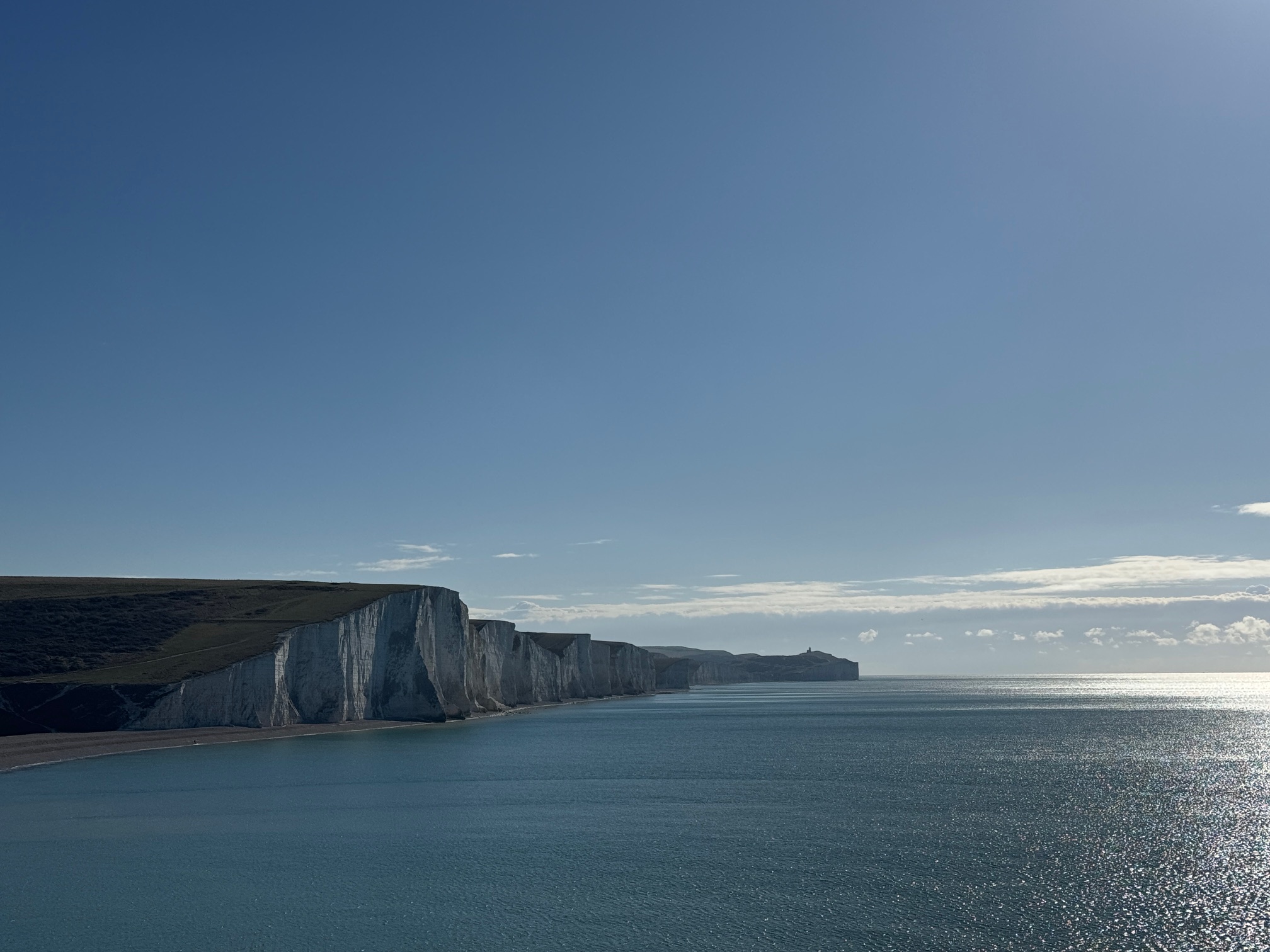
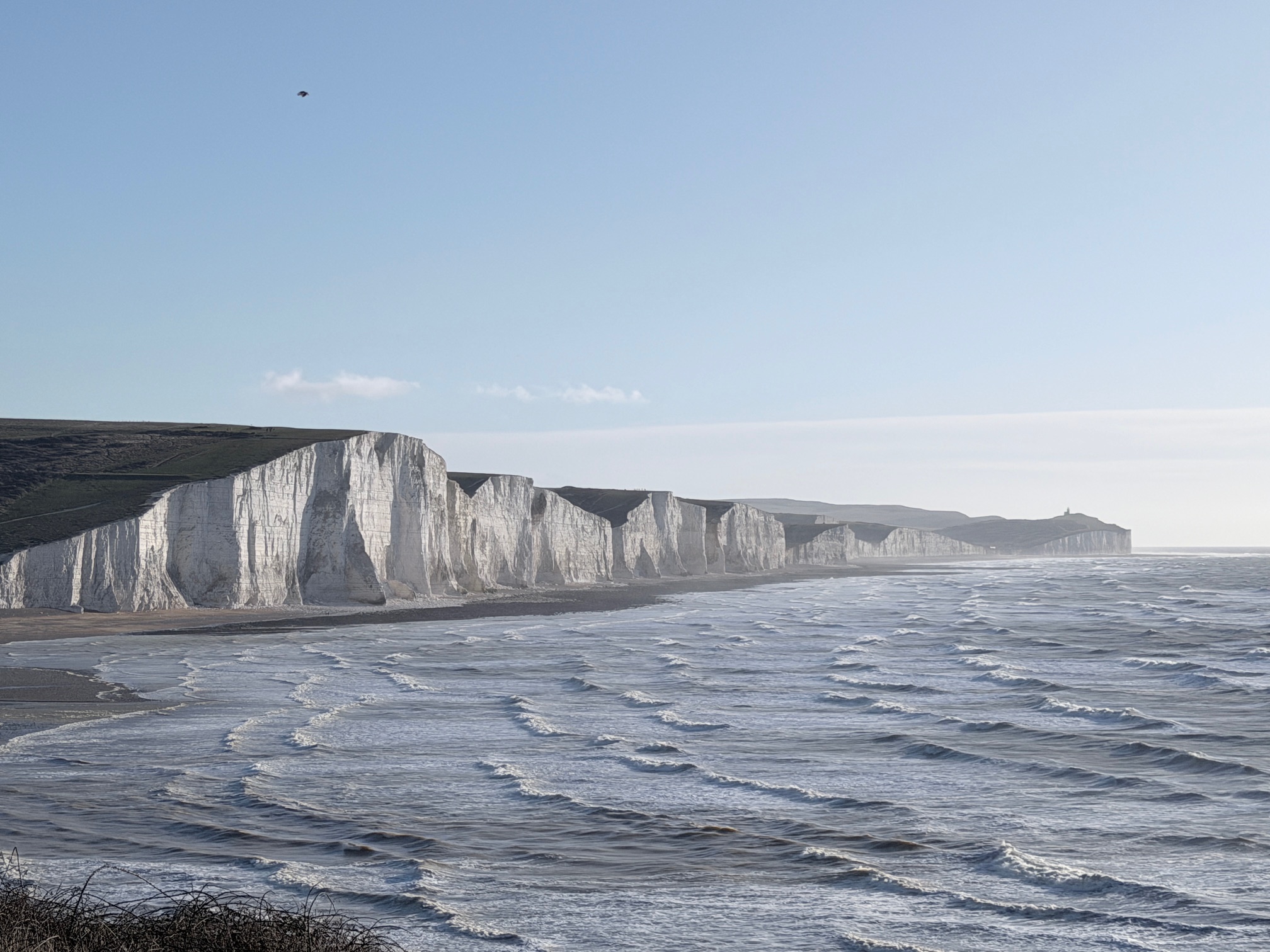
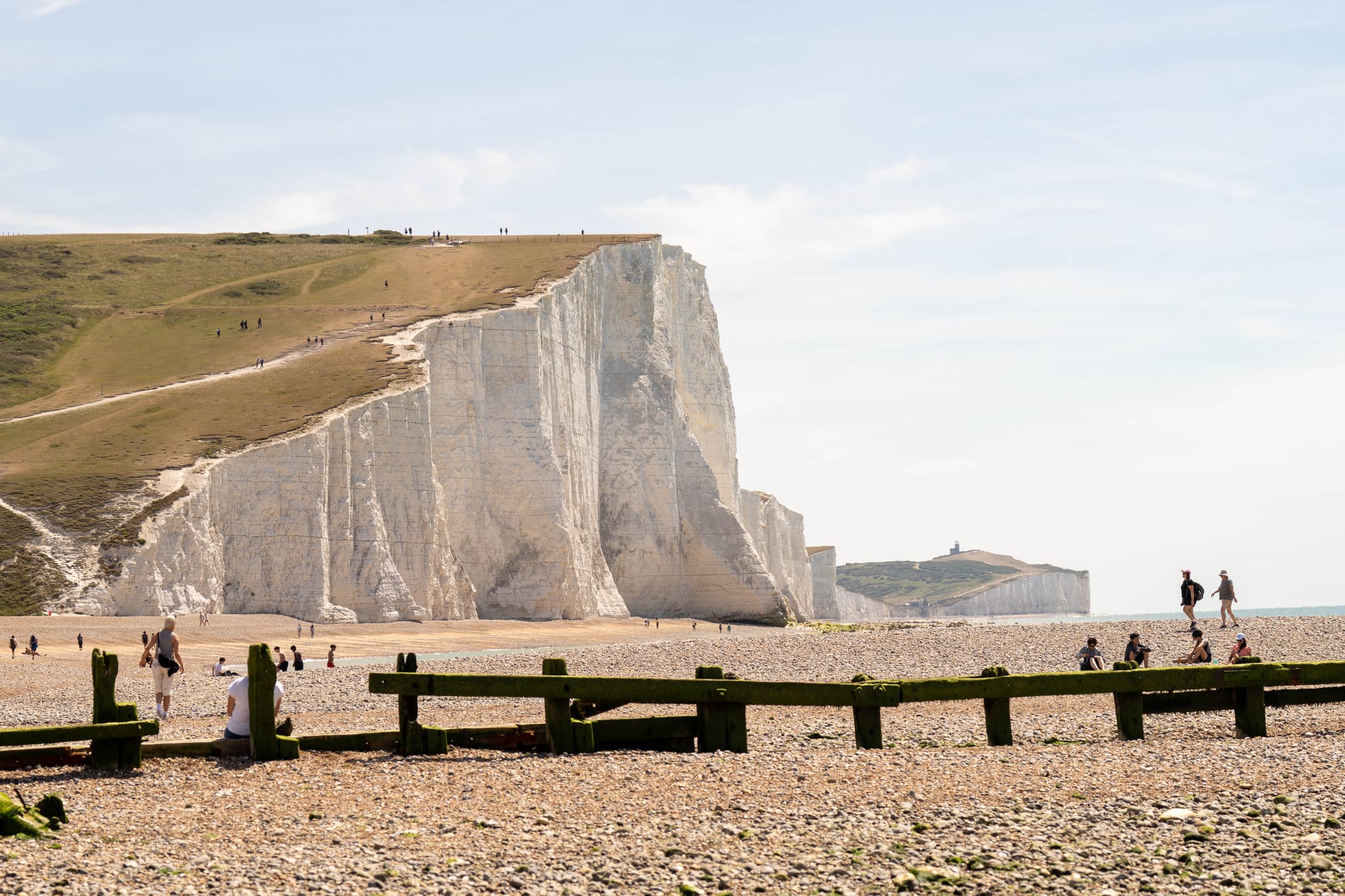
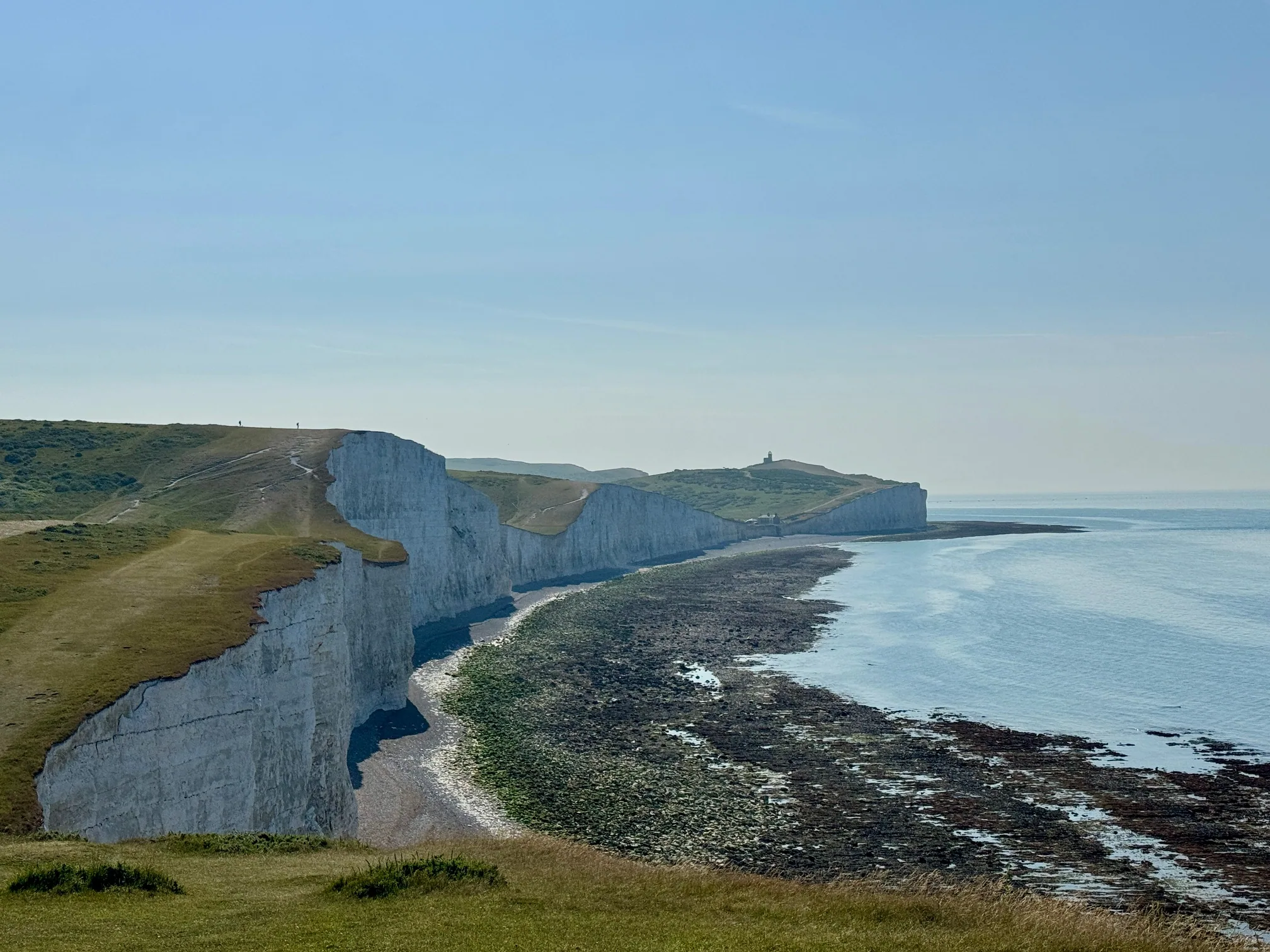
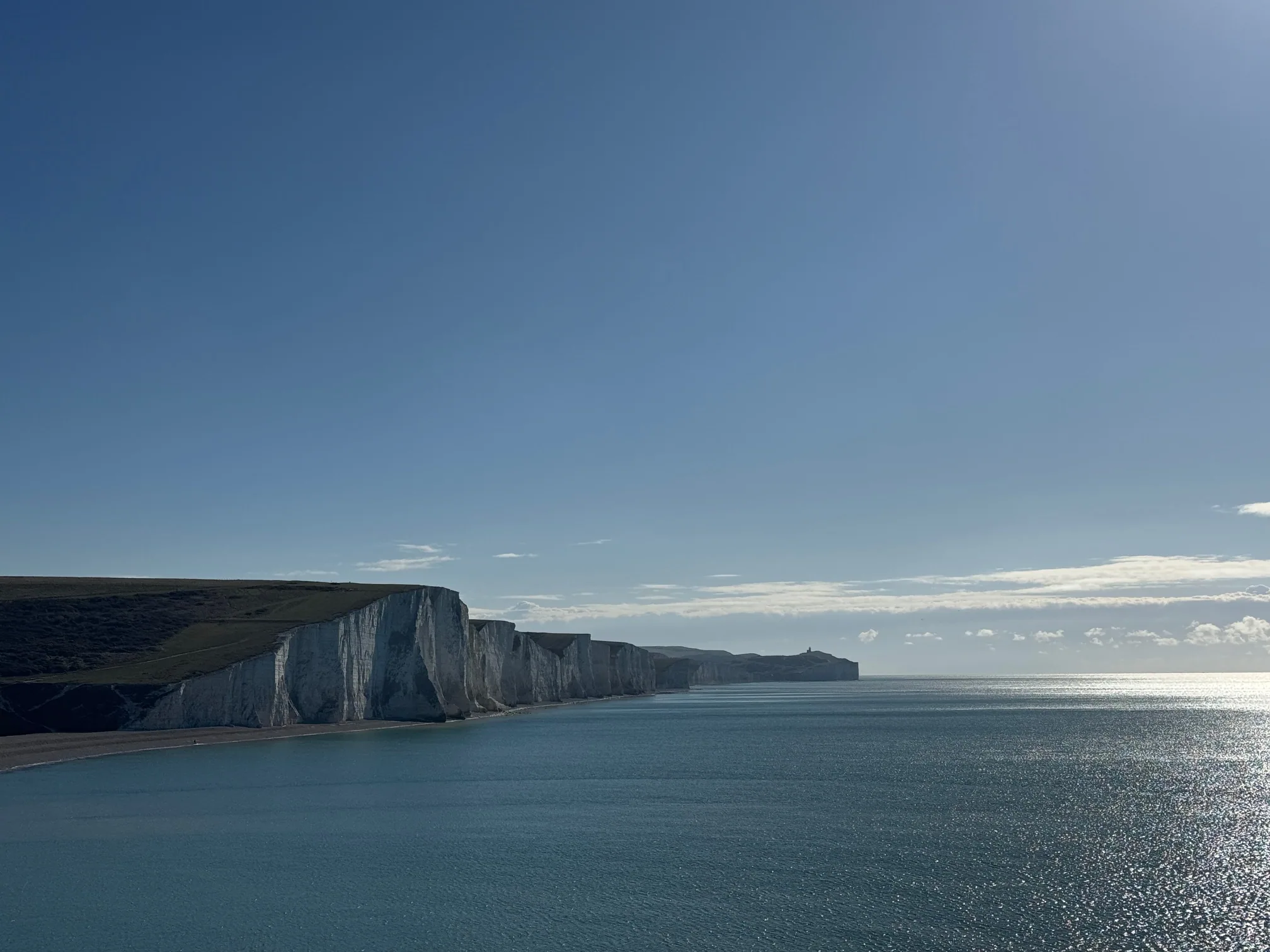
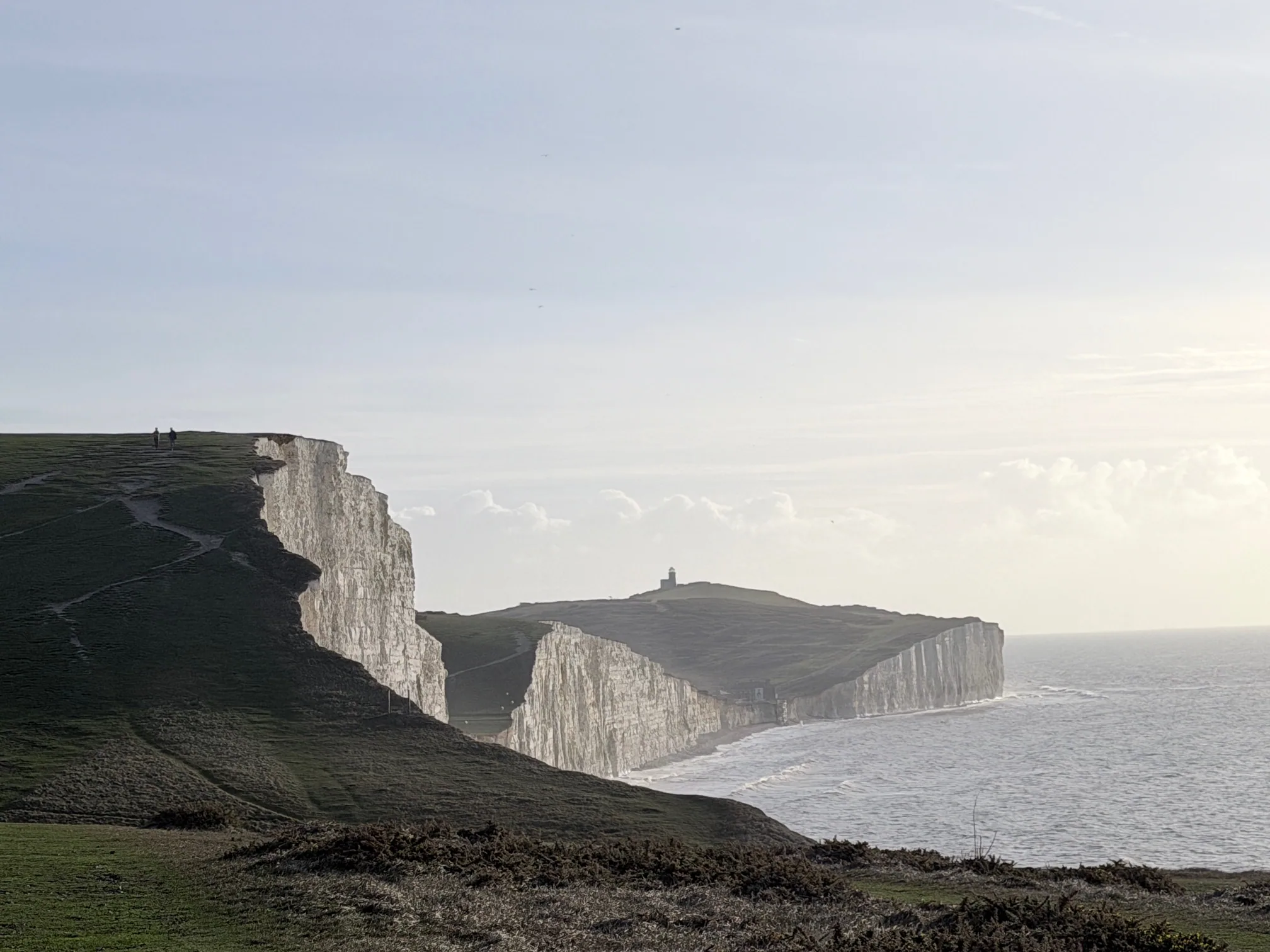
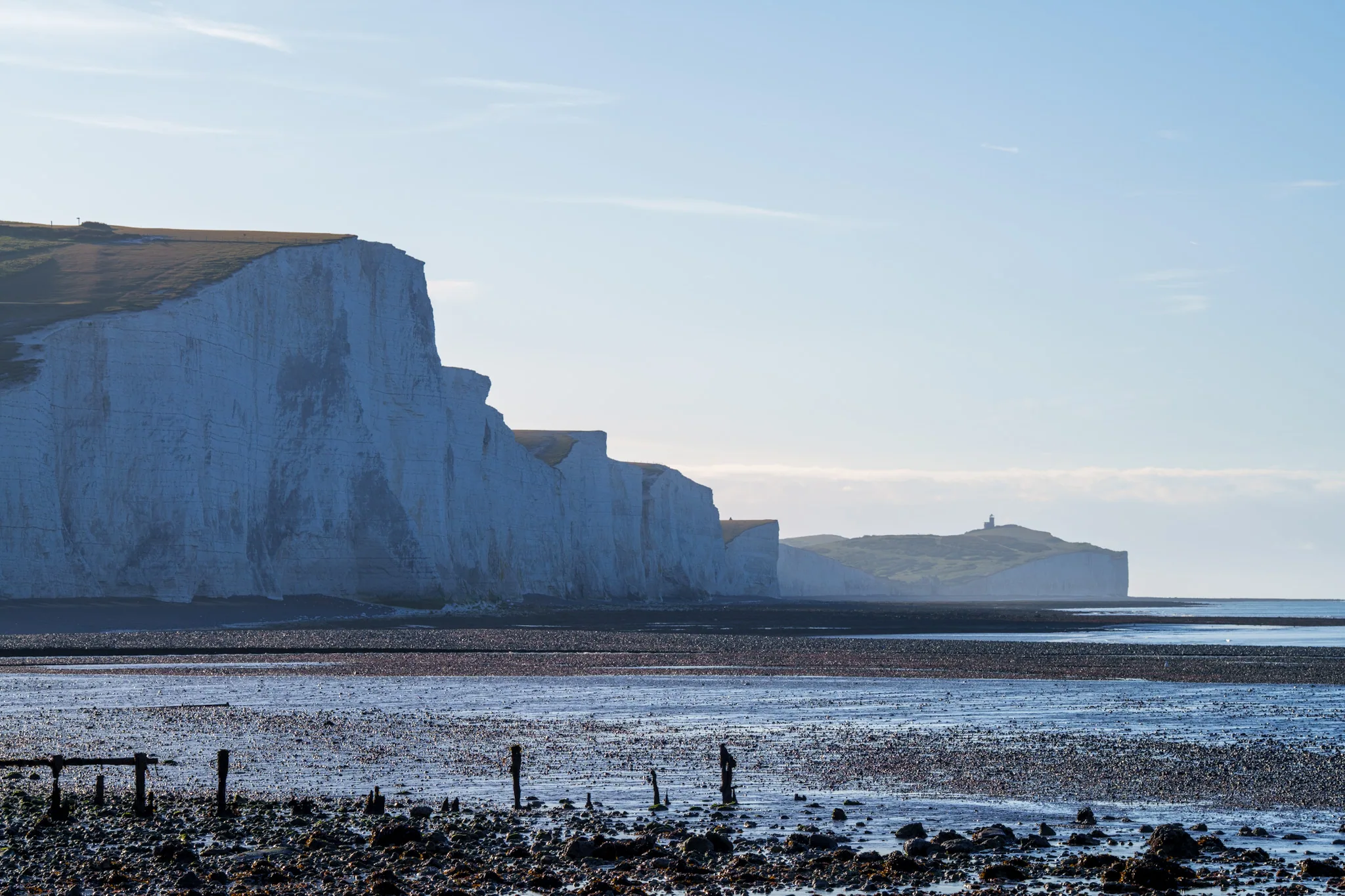
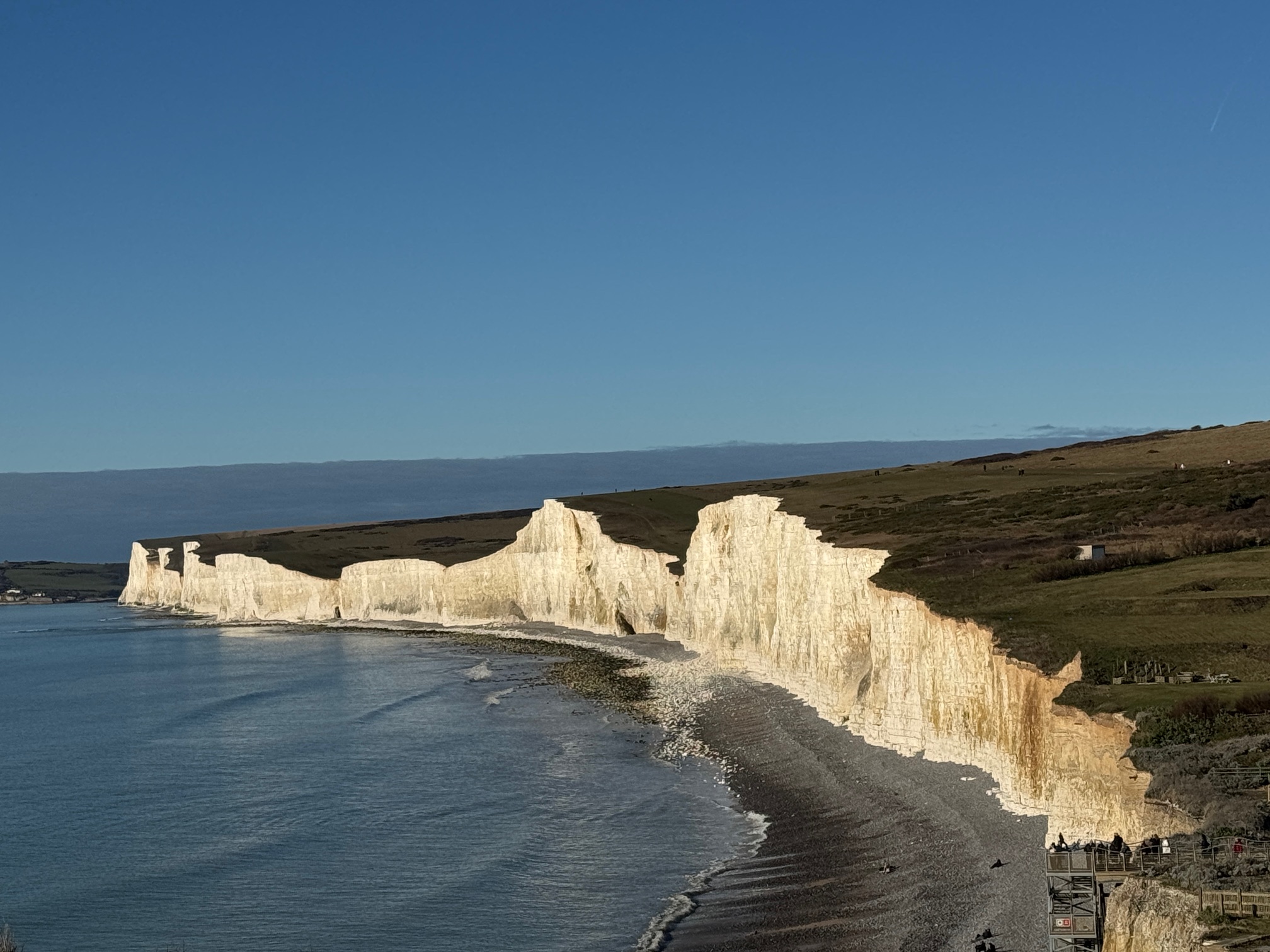
Birling Gap is the beach most associated with the Seven Sisters, and for good reason. Accessed via the wooden staircase at the National Trust car park, it sits directly beneath the cliff face with the full sweep of the Seven Sisters stretching westward from sea level. The perspective from the beach looking up at 60-metre chalk cliffs — especially in early morning or late afternoon light — is one of the great views on the English coast.
What the beach is like: Shingle and chalk rubble. No sand at all. Sections of the beach are covered in large chalk boulders from recent cliff falls — dramatic to look at, cumbersome to walk over. The beach widens considerably at low tide, exposing a lower shore that's excellent for rock pools and fossil hunting. High tide pushes the sea close to the cliff base and significantly reduces the beach.
Swimming: Yes, and the water quality is consistently rated excellent. The beach shelves fairly steeply, which means depth quickly. No lifeguards. The channel can produce swell and longshore current on windy days — check conditions before getting in. Our sea swimming guide has the detail.
Best for: Fossil hunting, rock pooling, photography, swimming for confident swimmers, experiencing the cliffs from sea level.
Access: National Trust staircase from the Birling Gap car park. Currently operational following the spring 2026 repairs. Check the National Trust website for current access status. Tides matter here — visit at low tide for the best beach. Our tide times guide explains what to look for.
Not good for: Sunbathing, sandcastles, very young children who need soft sand underfoot, paddling in very shallow water (the beach shelves too steeply).
Cuckmere Haven Beach — Quieter, Easier, Views of the Full Sisters
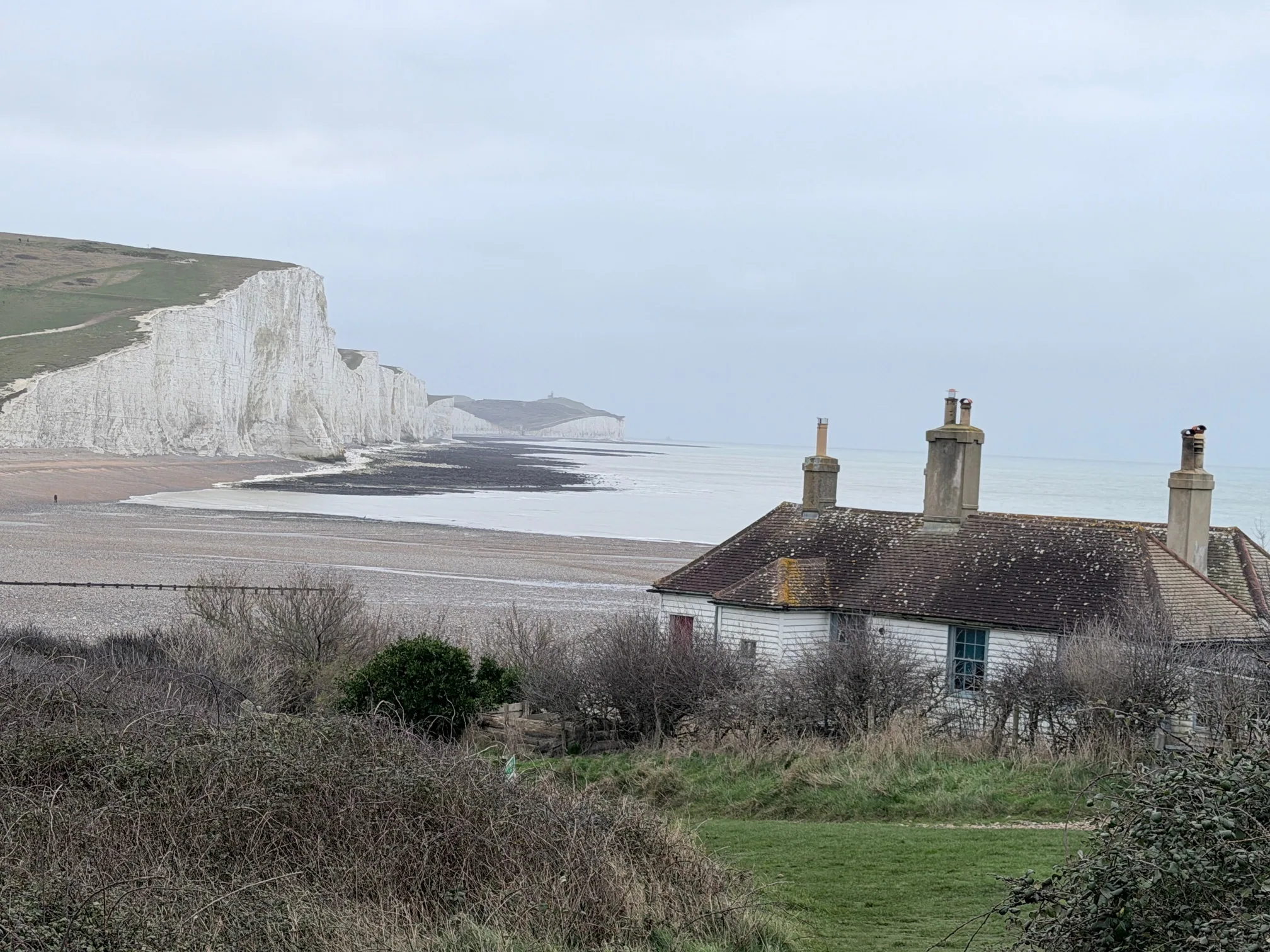
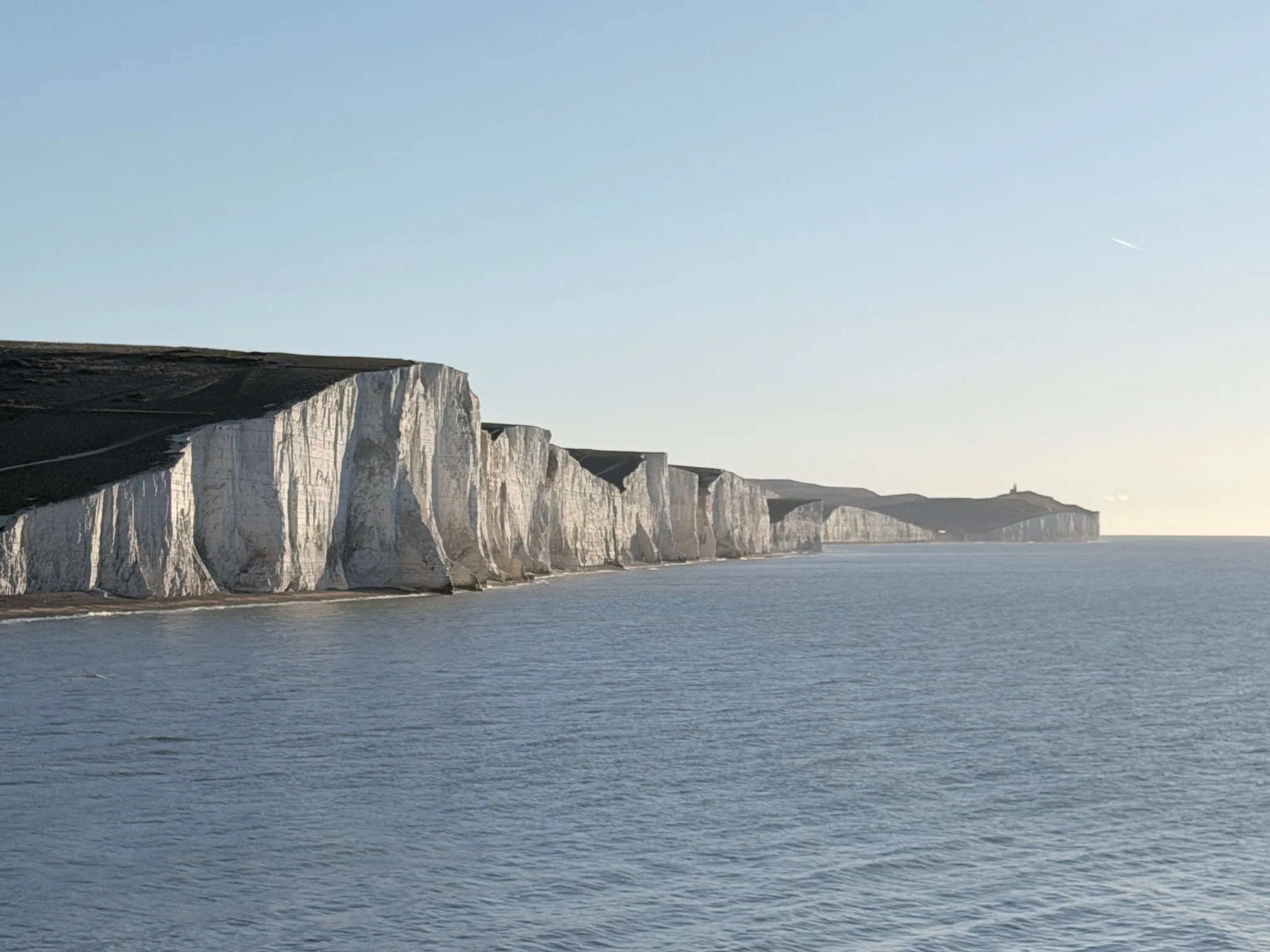
Cuckmere Haven is where the Cuckmere River meets the sea, at the western end of the Seven Sisters. The beach is reached via a 20-minute walk from Exceat car park (Seven Sisters Country Park) down the valley — no steps, almost entirely flat. The famous view of all seven chalk sisters lined up along the coast is taken from this beach.
What the beach is like: Similar shingle and chalk character to Birling Gap, but with the addition of the river mouth creating a slight estuary feel at the far western end. The beach is longer and wider than Birling Gap, generally less crowded, and has a wilder character — there are no facilities here whatsoever, no café, no toilets. What you get instead is near-silence (on weekdays), extraordinary views of the cliffs, and the kind of undeveloped Sussex shoreline that barely exists anywhere else.
Swimming: The sea here is swimmable, but be aware of the river outflow at the estuary end — currents can be stronger near the river mouth. The open beach section to the east is calmer. Again, no lifeguards.
Best for: The famous Seven Sisters photograph, wild and remote beach feel, walking in from Exceat as part of a longer day, fossil hunting, complete quiet on a weekday.
Not good for: Families expecting facilities — bring everything you need including food, water, and sun protection. There's nothing to buy here.
See our Cuckmere Valley walk guide for the route from Exceat and what else to see along the way.
Hope Gap — The Secluded One Almost Nobody Knows
Hope Gap is a small chalk cove between Seaford Head and the main Seven Sisters cliffs, accessible via a steep path down from the clifftop near Seaford. It gets a fraction of the visitors that Birling Gap or Cuckmere Haven receive and has a genuine sense of being found rather than visited.
What the beach is like: Small, enclosed by chalk cliffs on three sides, shingle and chalk. Limited space at high tide. The enclosure creates a sheltered microclimate — it can be noticeably calmer and warmer here than the open beaches on a windy day.
Best for: Those who want a beach to themselves, a genuine sense of discovery, and don't mind a steep descent and climb. Excellent for swimming when calm — the enclosure reduces swell.
Access: Via the clifftop path from Seaford Head. The descent is steep and the path is uneven — not suitable for young children or anyone with mobility concerns. See our Hope Gap guide for exact access details.
Seaford Beach — Most Practical, Best for Families
Seaford beach is the longest and most accessible in the area — a wide shingle stretch running east from the town centre with a promenade, public toilets, a café near the Martello tower, and car parks that are cheaper and less likely to fill than the National Trust sites. It won't win any awards for drama, but it's the most comfortable option for a conventional beach day.
The shingle is firmer and easier underfoot than the chalk rubble at Birling Gap, which makes a difference if you're with young children or anyone who finds rough ground difficult. Swimming is popular here — calmer and more sheltered than the cliff-base beaches further east, still no lifeguards but much gentler conditions. If you're combining a beach stop with the Seaford-to-Seven Sisters walk, this is where you start: walk east from the beach to Seaford Head and you're already on the clifftop path.
Eastbourne Beaches — Sand, Pier, Full Seaside Resort
Fifteen minutes east of Birling Gap by road, Eastbourne is a completely different experience — a full Victorian seaside resort with a long beach, a working pier, sun loungers for hire, beach huts, and restaurants along the promenade. If the remoteness of Birling Gap and Cuckmere Haven is what you're after, Eastbourne is the wrong choice. If someone in your group needs sand, a promenade, and a fish restaurant, it's the right one.
The beach itself is a mix of sand and shingle — sandier toward the western end near the pier, more shingle further along. Eastbourne is the only place in this part of East Sussex with RNLI lifeguards in summer, which matters if you're swimming with children. It's also where you end up if you've walked the full Sisters ridge from Seaford and want a proper meal before the train home.
Pevensey Bay — Sandy Beach East of Eastbourne
Slightly further afield (about 25 minutes from Birling Gap by road), Pevensey Bay has the sandiest beach in the immediate area — a long, relatively undeveloped stretch with calm, family-friendly conditions. Less visited than Eastbourne and without the resort infrastructure, but with the best sand in the region.
A worthwhile detour if sand specifically is what your day needs and you don't mind the extra drive. The bay has a long historical significance as the landing point for the Norman invasion of 1066 — Pevensey Castle is immediately inland and worth the combination trip.
Choosing the Right Beach for Your Day
Quick Beach Guide
- Best for drama and photography: Birling Gap — the cliffs, the scale, the light
- Best for the iconic Seven Sisters view: Cuckmere Haven — the photo everyone recognises
- Best for getting away from crowds: Hope Gap — small, hard to reach, usually quiet
- Best for fossil hunting: Birling Gap at low tide, Cuckmere Haven second
- Best for families with young children: Seaford beach — longer, flatter, better facilities
- Best for a classic seaside day: Eastbourne — sand (some), pier, promenade, everything
- Best sand in the area: Pevensey Bay — but you'll need to drive there
- Best for swimming: Birling Gap in calm conditions; Seaford for beginners and families
What the Beaches Here Don't Have
Worth stating clearly: there are no sandy cove beaches in the Seven Sisters area. The chalk coastline produces shingle and chalk rubble, not sand. If your non-negotiable is fine sand, you need to go to Camber Sands (about an hour east of Eastbourne) or onto the Hampshire/Dorset coast.
There are also no lifeguarded beaches within the Seven Sisters area — the National Trust beaches at Birling Gap and Cuckmere Haven are entirely unsupervised. Eastbourne has RNLI lifeguards on the main beach in summer.
For the swimming safety picture in detail — including how to read conditions and what to watch for on unguarded beaches — our sea swimming guide and tide times guide cover everything you need to know.
Making the Most of a Beach Day at Seven Sisters
For fossil hunting detail at Birling Gap, our rock pooling with kids guide is the place to start. For families working out which beach suits which age group, our family-friendly walks guide has the full breakdown.
Planning the walk itself?
Four routes run along these cliffs and they are not interchangeable — a flat 3km riverside stroll, the classic 6.5km Exceat to Birling Gap crossing, a short Birling Gap loop, and the full 21.9km Seaford to Eastbourne ridge. Compare distance, ascent and difficulty before you pick one.
- Easy Birling Gap Short Loop 2 km 45 min
- Easy Cuckmere Haven Beach 3 km 1 hour
- Moderate Exceat to Birling Gap 6.5 km 2-3 hours
- Challenging Seaford to Eastbourne 21.9 km 6-7 hours
We may earn a small commission on bookings made through this link, at no extra cost to you. More info.
£4.99 · 24-page PDF · Instant download
The Seven Sisters Ultimate Guide
The complete 24-page companion built from first-hand walks — every cliff, all four graded routes, tide windows and a parking strategy. Designed to work offline, right on the cliff top.
- All 7 cliffs — heights, geology & viewpoints
- Four graded walking routes, compared
- Tide windows, light calendar & day plans
- Parking strategy & seasonal planner
Just want the basics? Download the free 2-page walk guide
Want an expert-led Seven Sisters tour?
From guided cliff walks and wildlife safaris to geology hikes and photography tours — explore all our curated experiences with local guides.