Swimming Near Seven Sisters: Beaches, Safety & Sea Conditions
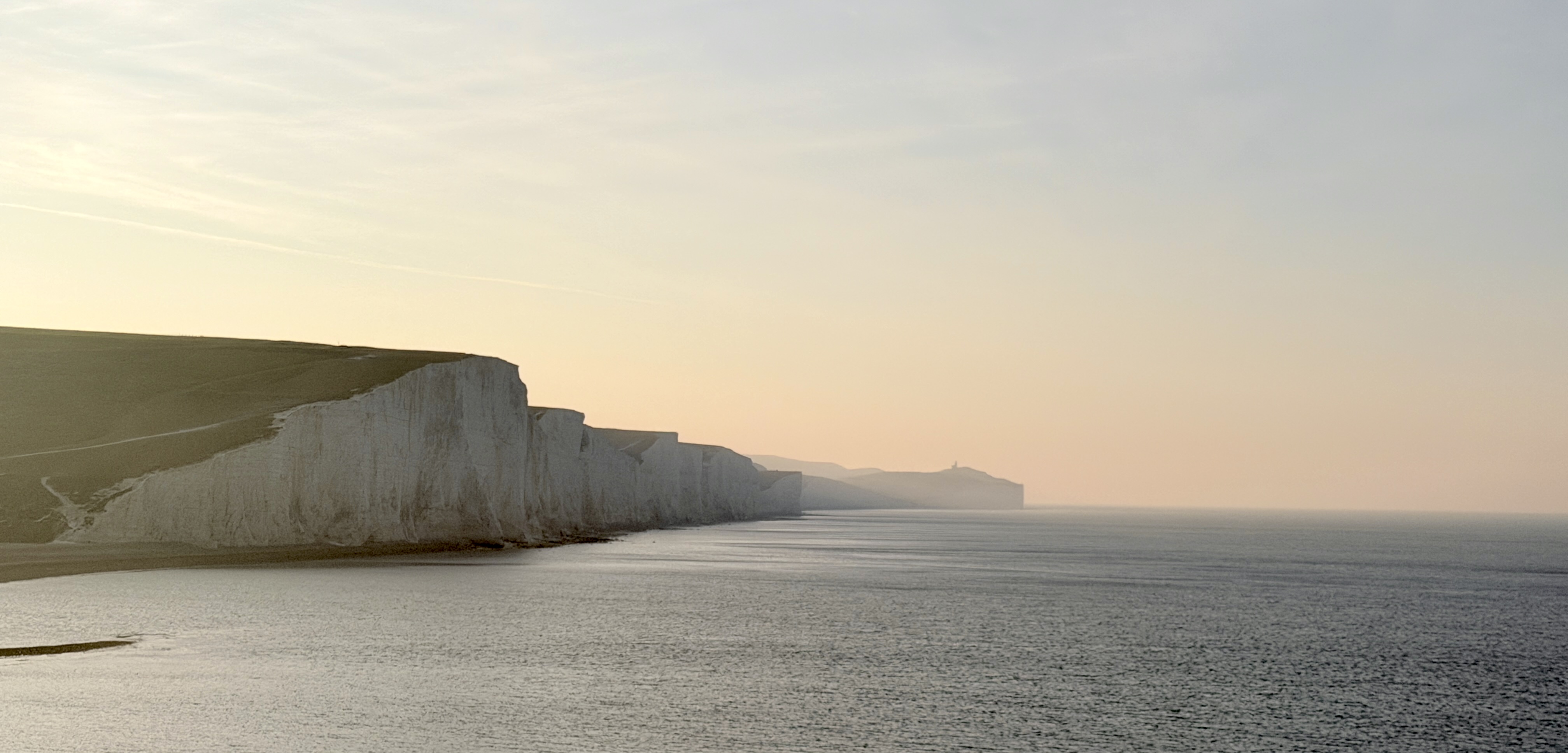
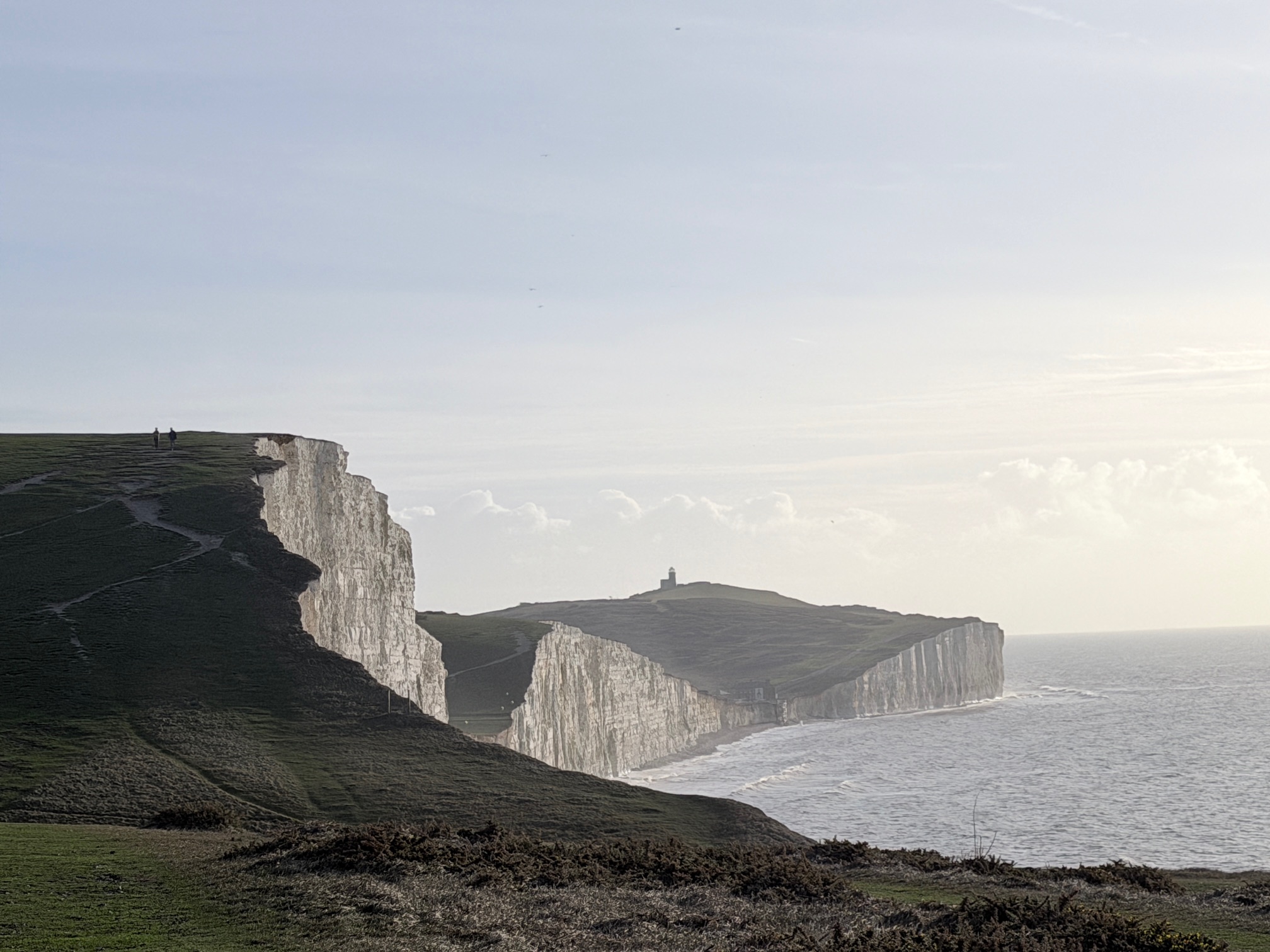
The Seven Sisters coastline is dramatic and beautiful — but swimming here requires careful thought. The beaches at the base of the cliffs are not typical holiday beaches with gentle surf and sandy shallows. They are steep shingle beaches with significant wave action, cold water, and unpredictable conditions. This guide tells you where it's actually safe to swim, what the conditions are really like, and how to stay safe.
Important: There are no lifeguards at any of the beaches along the Seven Sisters cliffs. In an emergency, call 999 and ask for the Coastguard. Mobile signal is unreliable near the water's edge. Always swim with a companion.
Can You Swim at Seven Sisters?
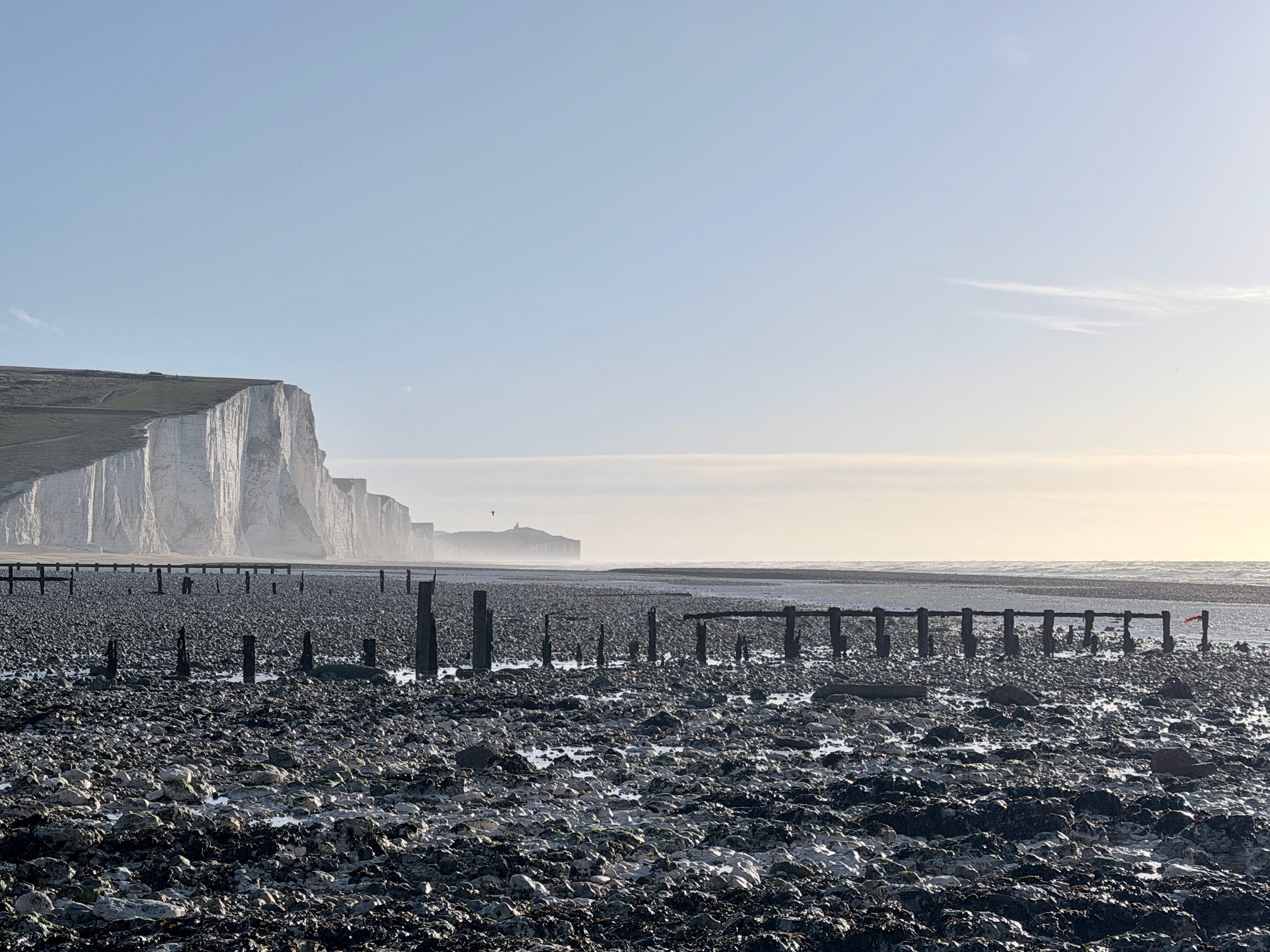
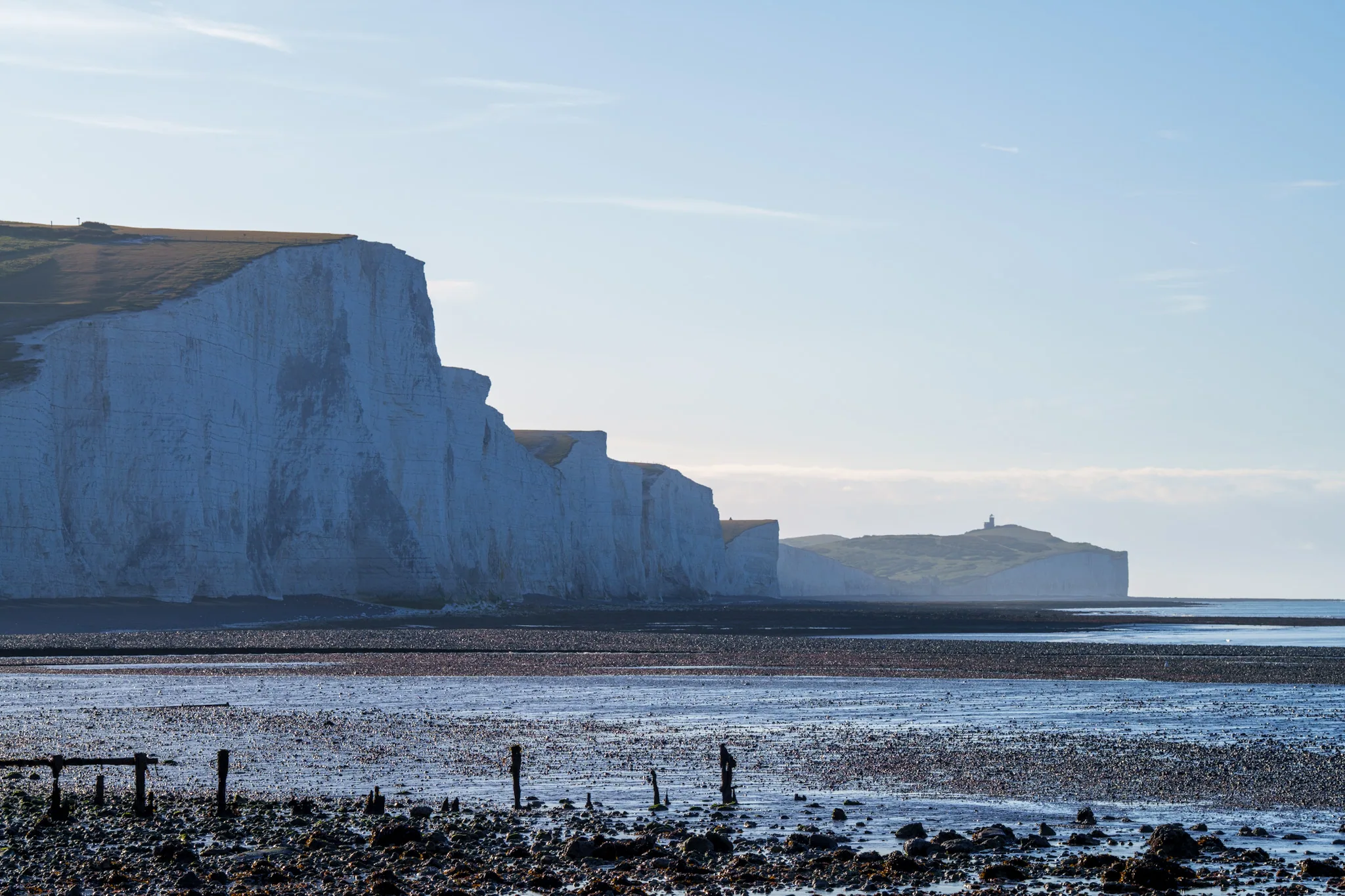
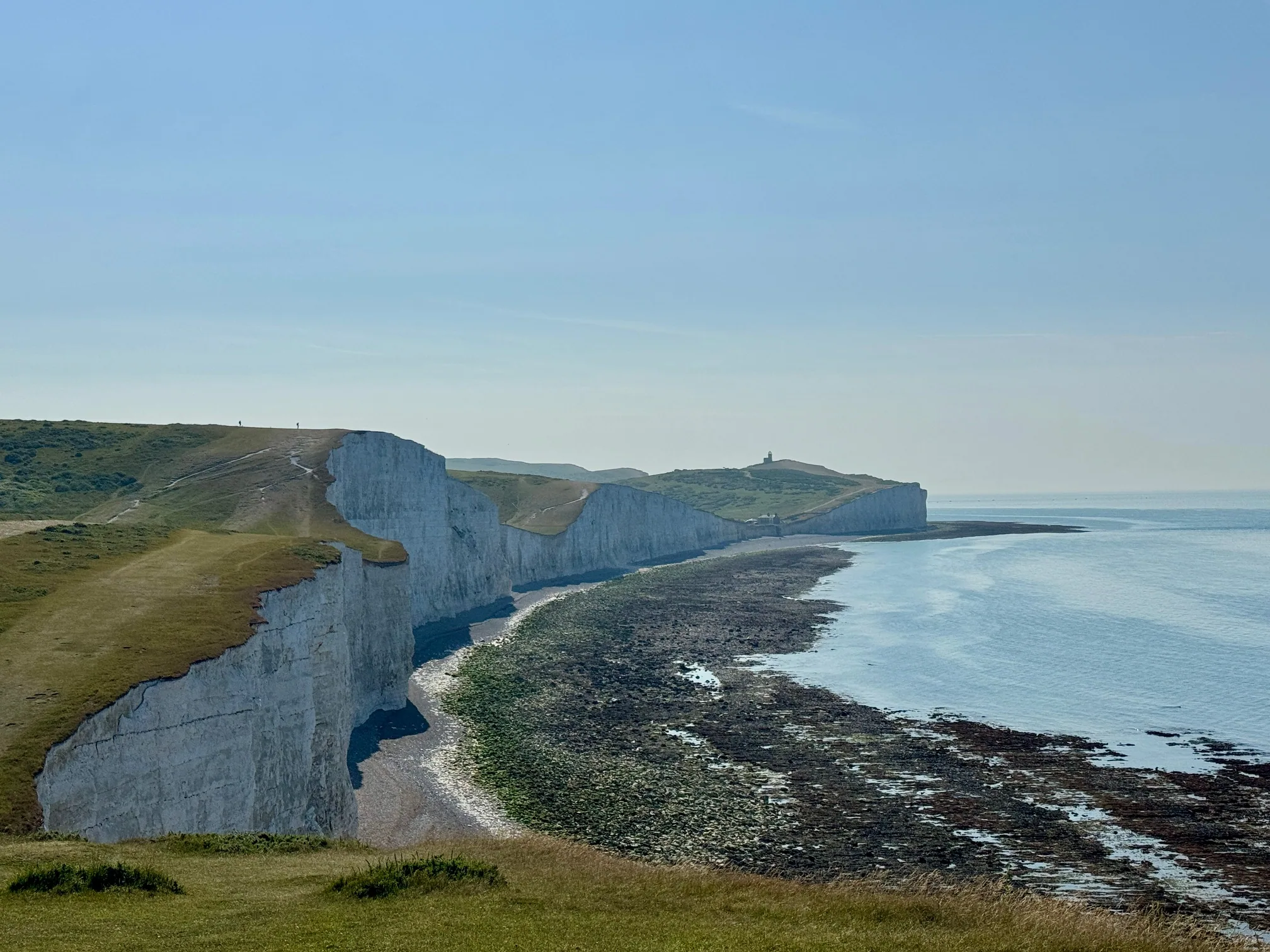
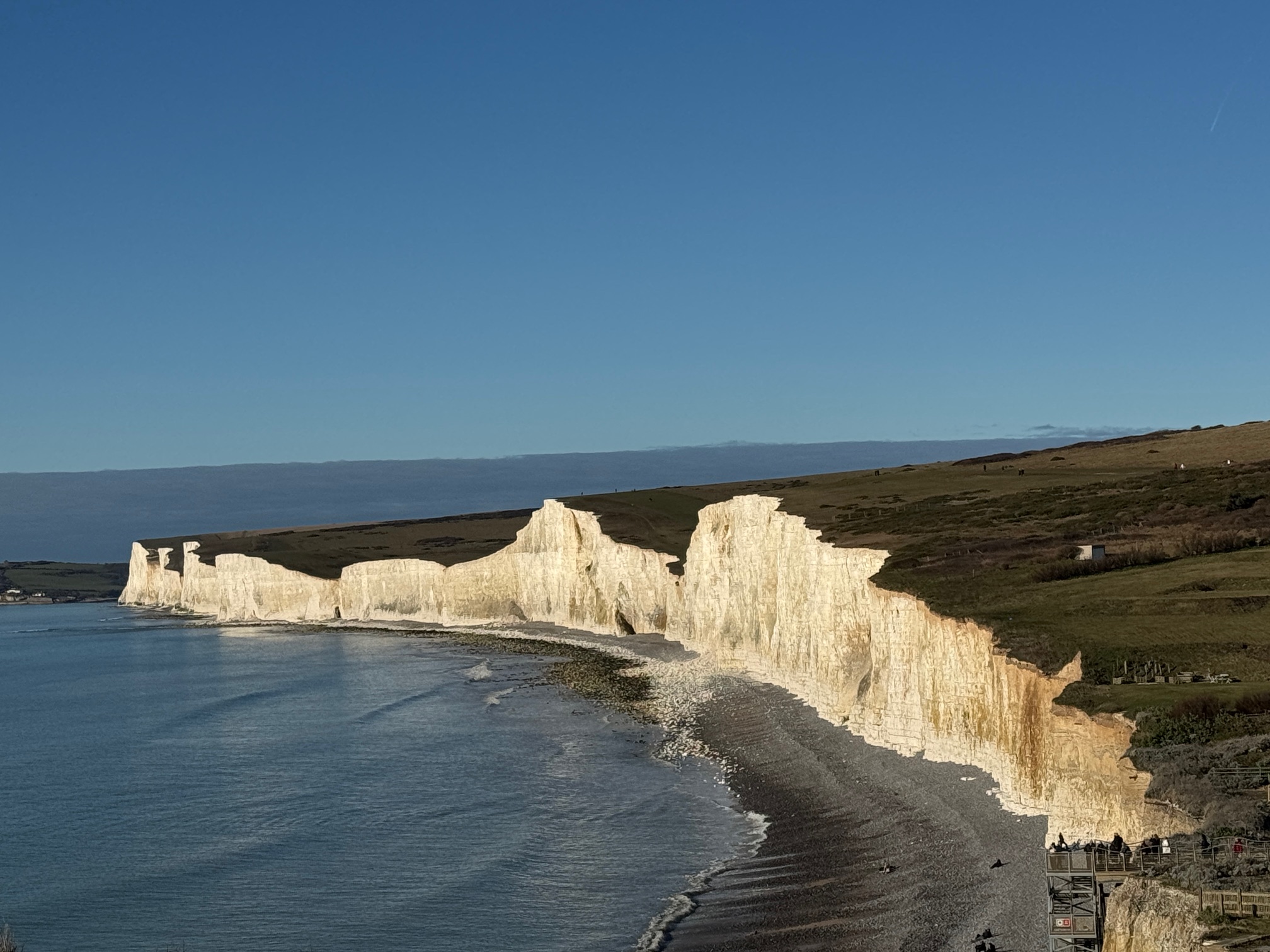
The short answer is yes — but selectively. The beaches directly below the main Seven Sisters cliff faces (between Cuckmere Haven and Birling Gap) are steep shingle with significant wave exposure and no lifeguard cover. They're used by experienced sea swimmers but are not suitable for casual bathers. The better options are the designated beaches at each end of the cliff walk.
The Best Swimming Spots Near Seven Sisters
Cuckmere Haven Beach
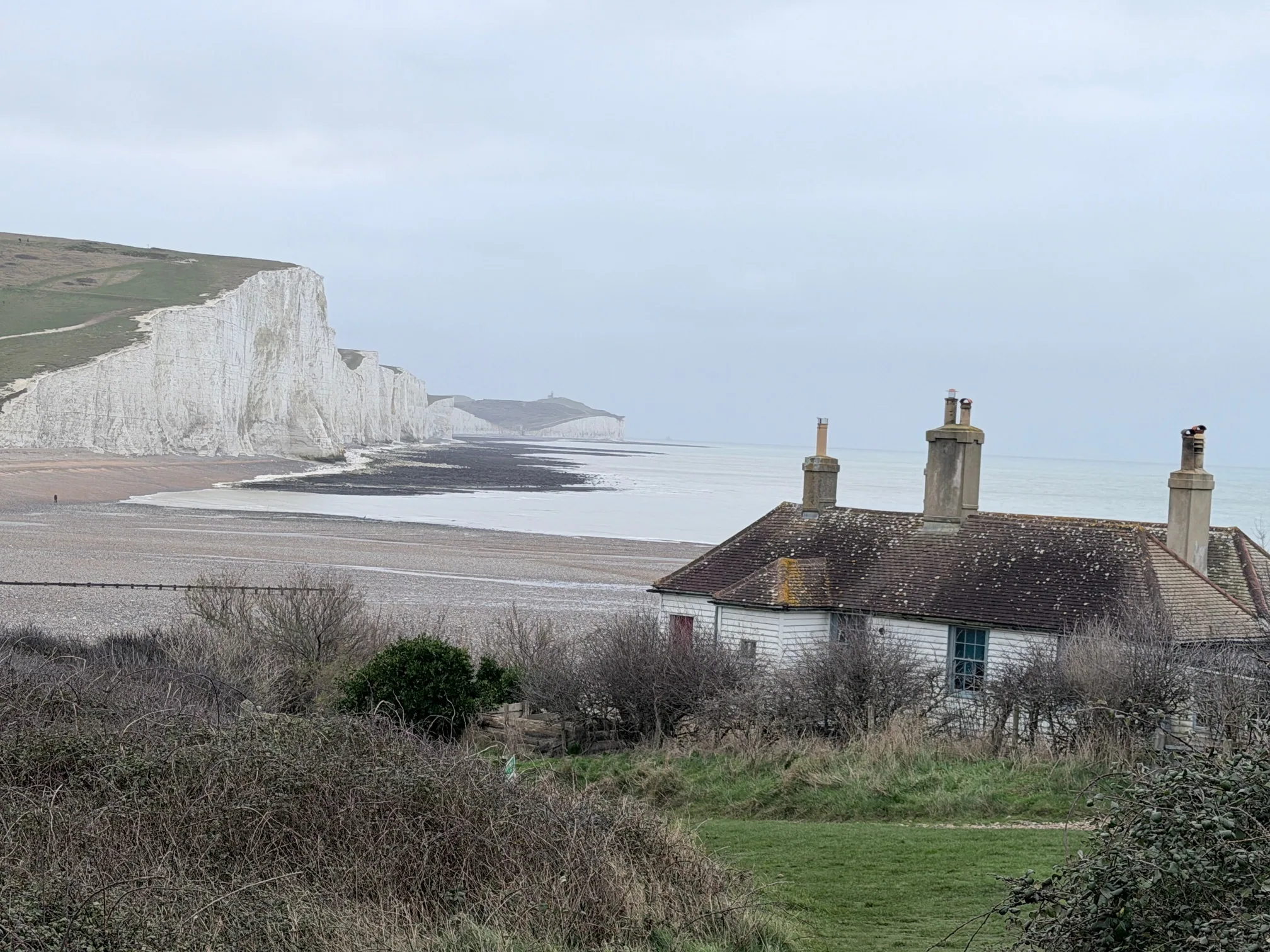
The beach at the mouth of the Cuckmere River is a broad, flat shingle beach with a gentler gradient than the cliff base beaches. It's sheltered from the prevailing south-westerly winds to some extent by the cliff line to the east. Conditions are most suitable for swimming on calm days when wave height is low. The lagoons formed by the river meanders are sometimes used for wild swimming — they're warmer than the sea but check for notices about water quality before entering.
Birling Gap Beach
Access via the metal steps (when open — check current status before visiting). The beach is steep shingle, exposed to wave action, and subject to sudden surges. On calm days in summer it's used regularly by sea swimmers. On anything approaching an onshore wind, waves make safe swimming impossible. The RNLI regularly attends incidents here — this beach deserves respect.
Seaford Beach (3 miles west)
The long shingle beach at Seaford has a more gentle gradient and, importantly, RNLI seasonal lifeguard cover during the summer months. This makes it the safest swimming option in the area. The Esplanade and beach facilities are well-maintained. Sea conditions can still be challenging but lifeguard presence makes it a significantly safer choice for families.
Sea Temperature: What to Expect by Month
- May: 12–14°C. Cold. A wetsuit strongly recommended for anything beyond a brief dip.
- June: 14–16°C. Still cool. Wetsuit advised for extended swims.
- July: 16–18°C. Refreshing. Many people swim without a wetsuit on warmer days.
- August: 17–19°C. Warmest month. Most accessible for casual swimming.
- September: 16–18°C. Still warm. Often the best combination of temperature and reduced crowds.
Rip Currents and Hazards
The Sussex coast does not have the classic sandbar rip currents of sandy beaches, but there are specific hazards to know:
- Wave surges: Steep shingle beaches create powerful backwash and surge. Entering or exiting the water can be extremely difficult when swell height exceeds 0.5m.
- Longshore drift: A persistent eastward current runs along this coast. Swimmers can be carried east faster than expected.
- Chalk ledges: Some areas below the cliffs have submerged chalk platforms. These are hazards both for entry/exit and for diving — never dive at unfamiliar spots.
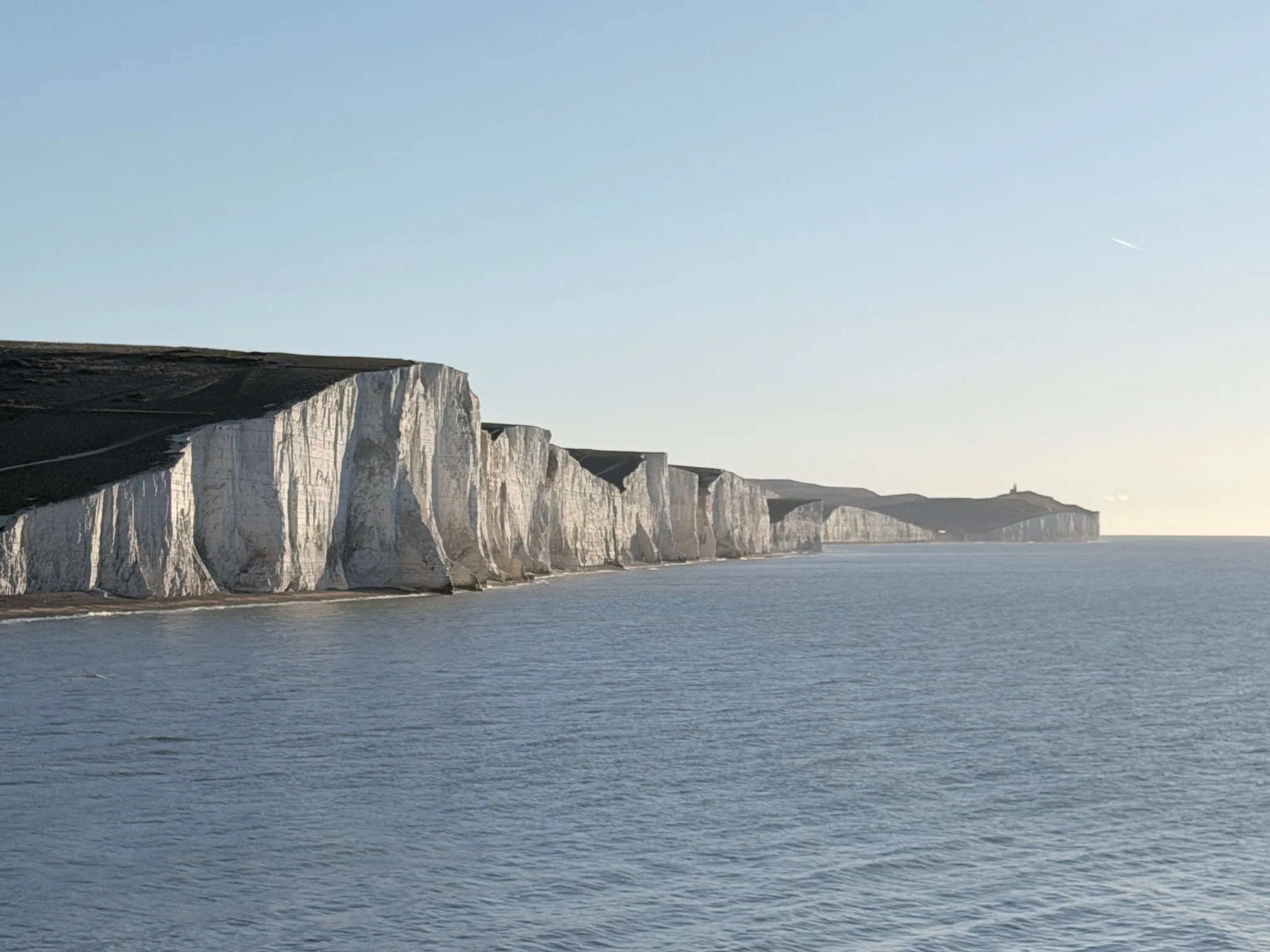
- Cliff falls: Do not swim directly below the cliff faces. Chalk cliff falls happen without warning and have caused fatalities.
Jellyfish Season
Jellyfish are present in the Channel from late May through September. The most commonly encountered species:
- Moon Jellyfish: White, translucent, and mostly harmless. Can cause mild skin irritation.
- Compass Jellyfish: Brown markings, more powerful sting. Usually causes a rash and temporary burning sensation.
- Portuguese Man o' War: Occasionally washed onto the beach during summer. Severe sting — do not touch and report to the Coastguard if you see one.
Jellyfish blooms are unpredictable — high numbers one day, none the next. The Wildlife Trusts' The Big Jellyfish Hunt app allows sightings to be reported and tracked.
Safe Sea Swimming Rules
- Never swim alone — always have someone on the beach watching.
- Check the Met Office marine forecast before any sea swim. Avoid swimming in swell above 0.5m.
- Use a tow float — makes you visible to boats and provides emergency buoyancy.
- Enter the water slowly to acclimatize to temperature and avoid cold water shock.
- Never swim after heavy drinking or a large meal.
- Know how to get out before you get in. Steep shingle can make exits difficult in swell.
- Leave a note of where you're swimming and when you expect to be back.
Guided Wild Swimming
Several operators run guided sea swimming and wild swimming experiences along the East Sussex coast, including sessions near Seven Sisters and Seaford Bay. These are led by qualified coaches who assess conditions and teach safe techniques. An excellent option for first-time sea swimmers or those returning after a long break.
The Verdict
Swimming near Seven Sisters is genuinely excellent in summer — clear green water, dramatic scenery, and the exhilaration of the open sea. It just requires more preparation and respect than a managed holiday beach. Know the conditions before you go, swim with company, and stay clear of the cliff bases. The reward is one of the most memorable swims in the south of England.
Planning the walk itself?
Four routes run along these cliffs and they are not interchangeable — a flat 3km riverside stroll, the classic 6.5km Exceat to Birling Gap crossing, a short Birling Gap loop, and the full 21.9km Seaford to Eastbourne ridge. Compare distance, ascent and difficulty before you pick one.
- Easy Birling Gap Short Loop 2 km 45 min
- Easy Cuckmere Haven Beach 3 km 1 hour
- Moderate Exceat to Birling Gap 6.5 km 2-3 hours
- Challenging Seaford to Eastbourne 21.9 km 6-7 hours
We may earn a small commission on bookings made through this link, at no extra cost to you. More info.
£4.99 · 24-page PDF · Instant download
The Seven Sisters Ultimate Guide
The complete 24-page companion built from first-hand walks — every cliff, all four graded routes, tide windows and a parking strategy. Designed to work offline, right on the cliff top.
- All 7 cliffs — heights, geology & viewpoints
- Four graded walking routes, compared
- Tide windows, light calendar & day plans
- Parking strategy & seasonal planner
Just want the basics? Download the free 2-page walk guide
Want an expert-led Seven Sisters tour?
From guided cliff walks and wildlife safaris to geology hikes and photography tours — explore all our curated experiences with local guides.