Rock Pooling at Birling Gap & Cuckmere Haven: What to Find & When
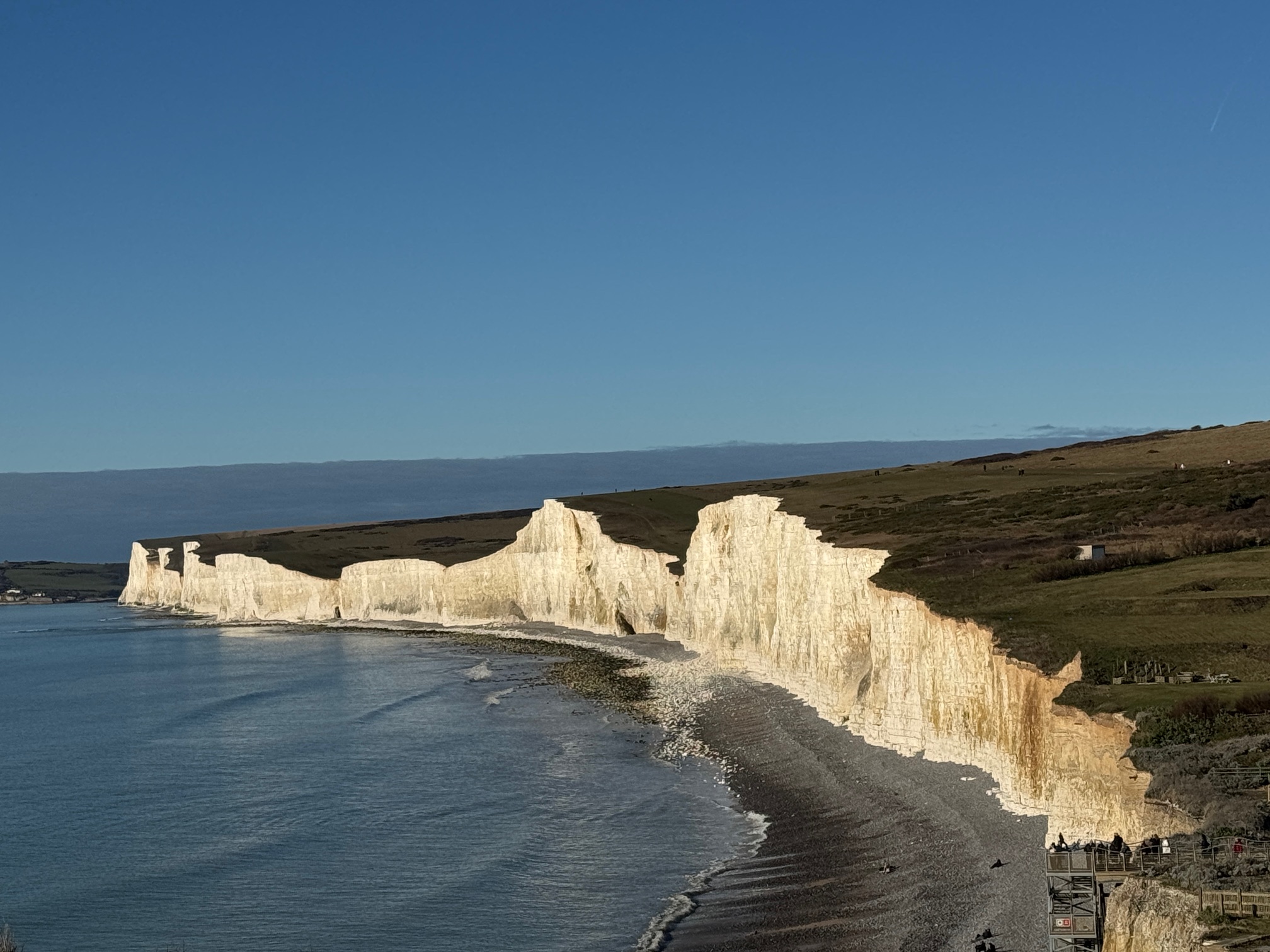
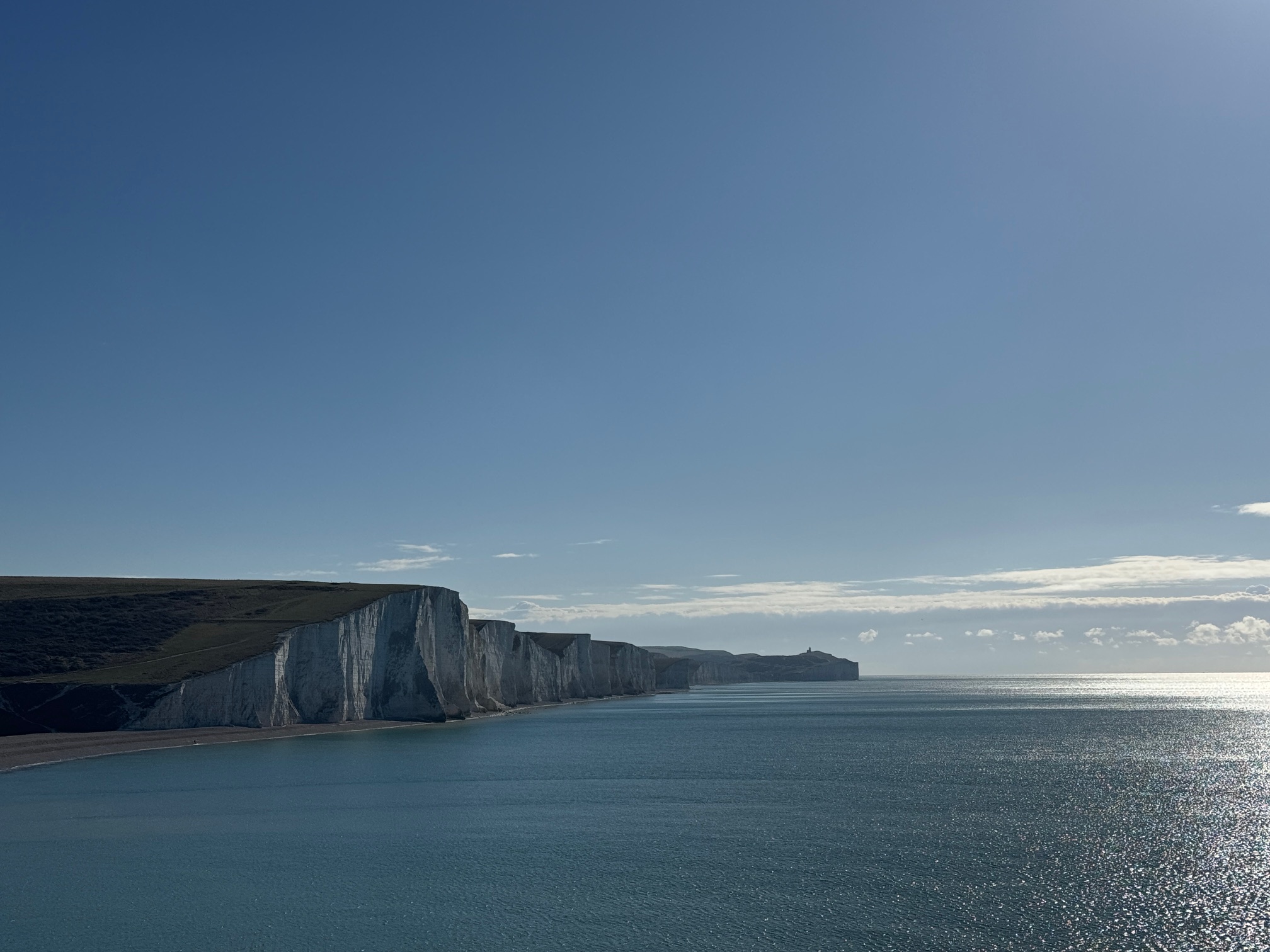
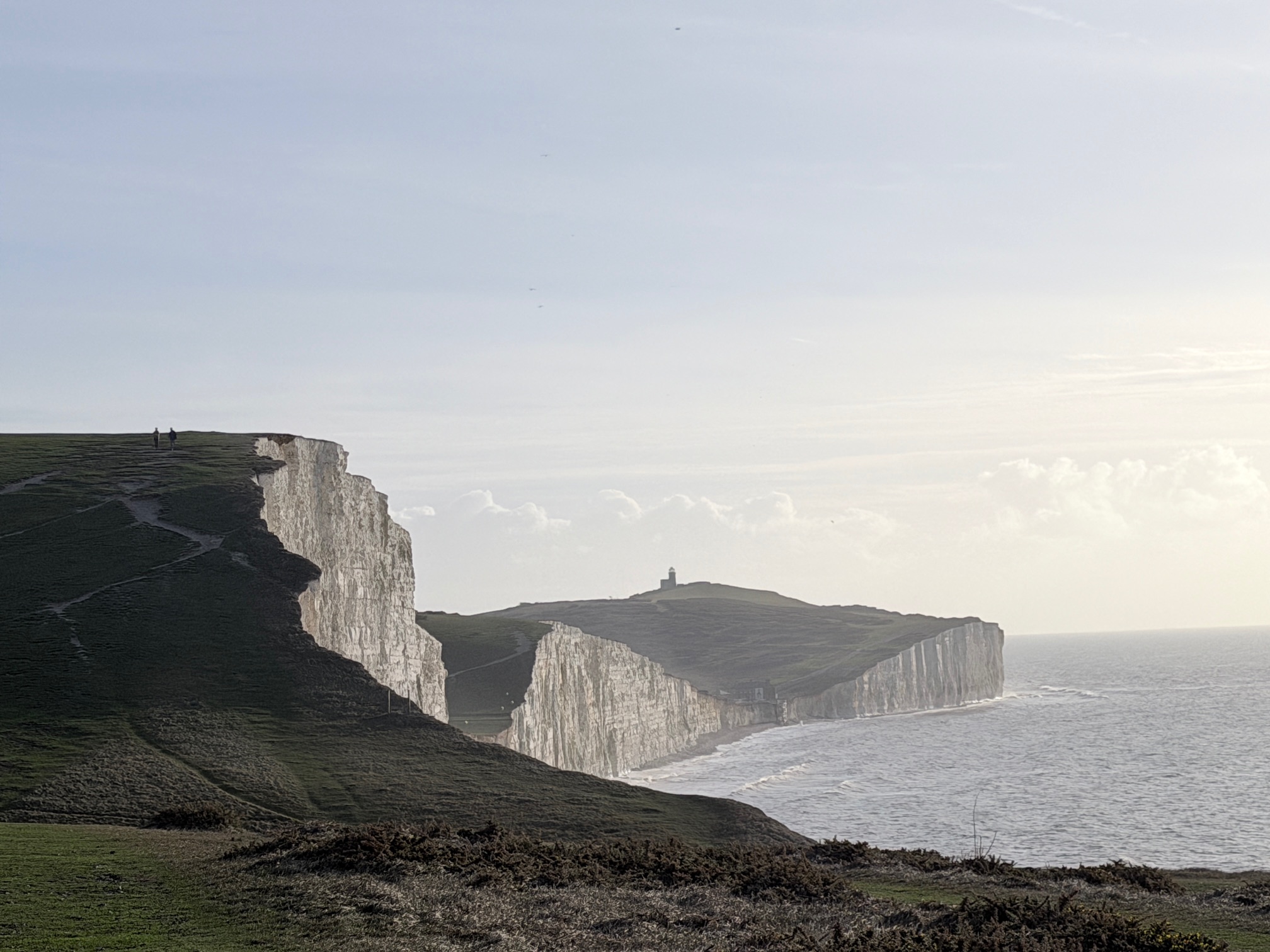
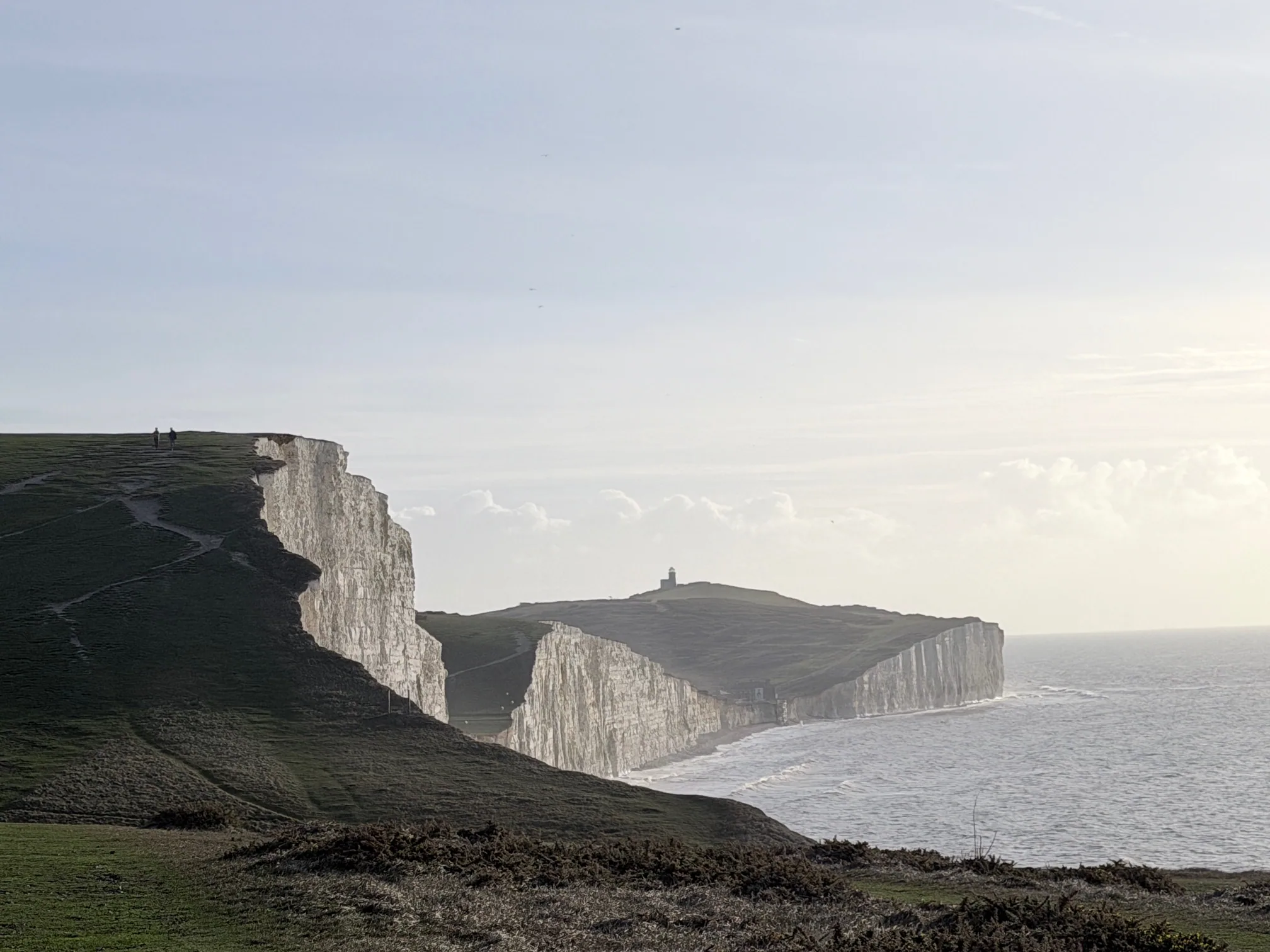
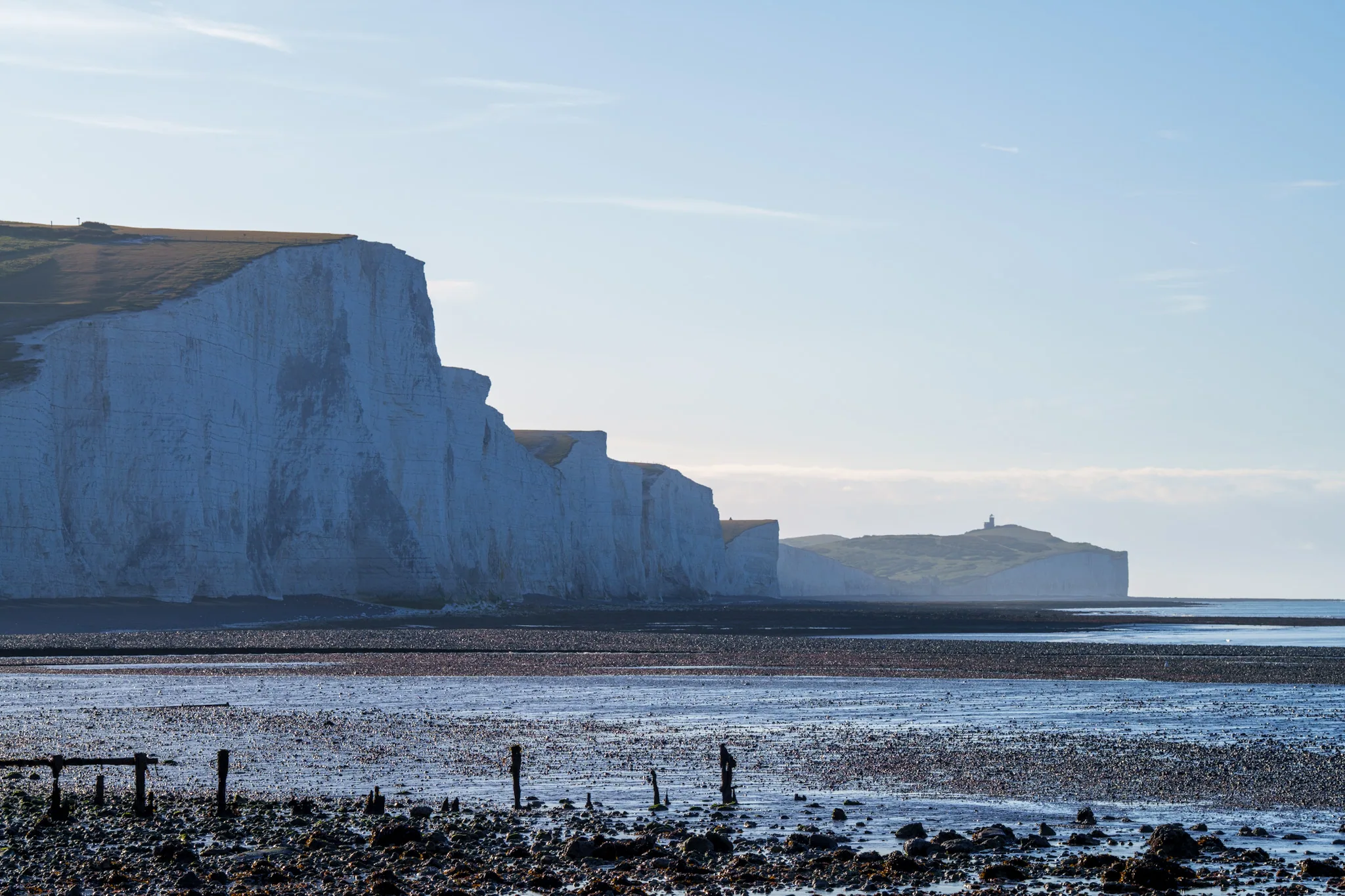
The chalk and flint geology of the Seven Sisters coastline creates outstanding rock pooling conditions — perhaps the best in East Sussex. Below the tide line, chalk ledges and boulders trap pools teeming with creatures that are invisible from the clifftop. This guide tells you exactly where to go, when to go (tidal timing is everything), and what to look for.
Why This Coastline Is Good for Rock Pooling
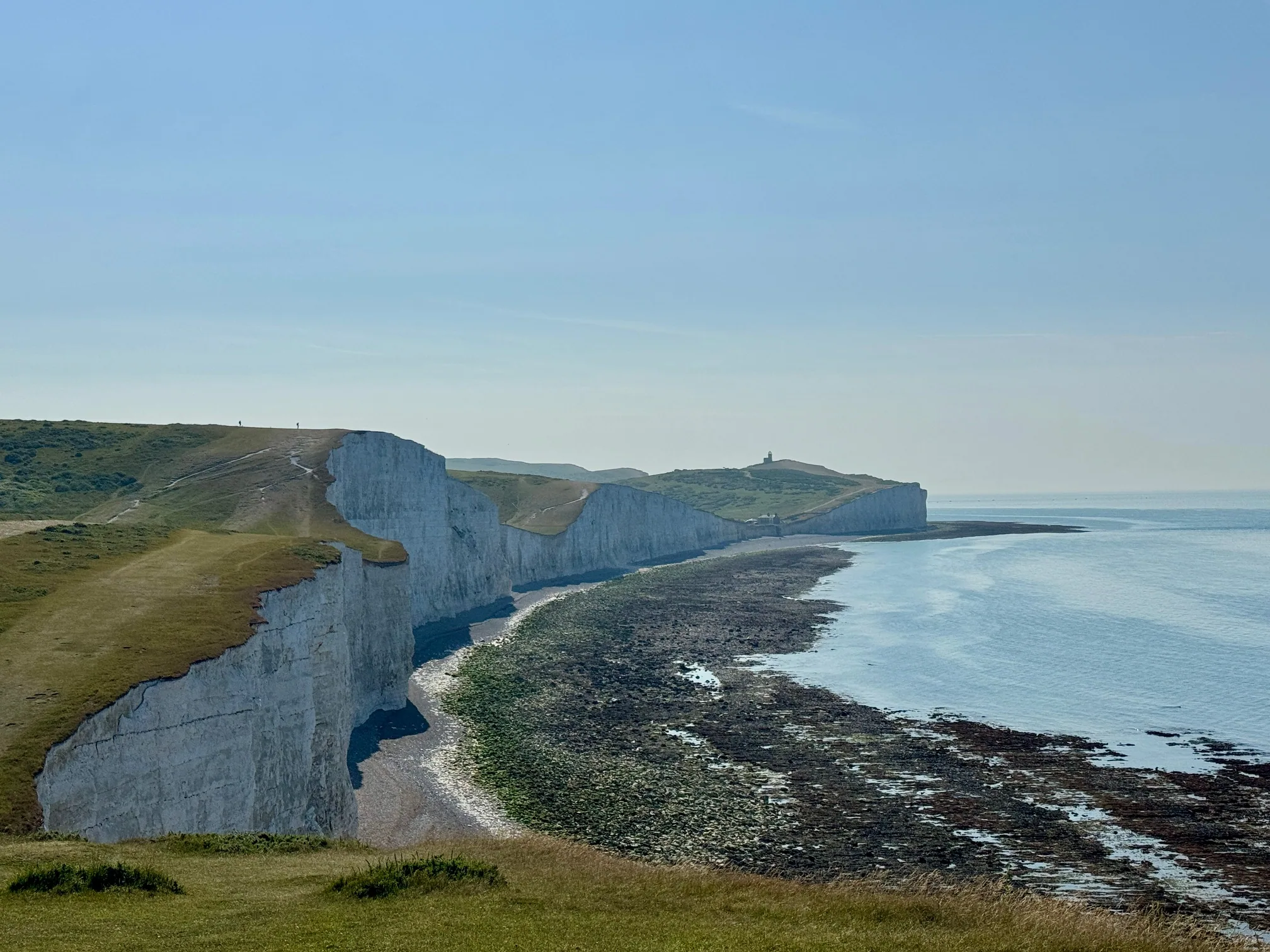
Rock pooling quality depends on two things: suitable rocky substrate (rather than pure sand or shingle) and wave exposure that keeps pools oxygenated but not constantly disturbed. The chalk and flint reef systems below the Seven Sisters provide both. At low tide, large sections of chalk platform are exposed, dotted with deep, sheltered pools. The water is clear — the chalk filtered seawater creates excellent visibility.
The Best Spots
Birling Gap
The most accessible rock pooling location near Seven Sisters. Access via the metal steps at Birling Gap (check operational status before visiting — the steps are occasionally closed for maintenance or cliff safety). At low water, the exposed chalk platform extends 50–100 metres out from the cliff base. The pools here are well-established and diverse — they're among the best pools in Sussex for sheer species variety.
Best conditions: Spring tides (the largest tidal range, uncovering the lowest and richest pools) combined with no onshore swell. Check the tide table and aim to arrive 1–1.5 hours before low water, when you have the most time on the platform before it floods again.
Cuckmere Haven
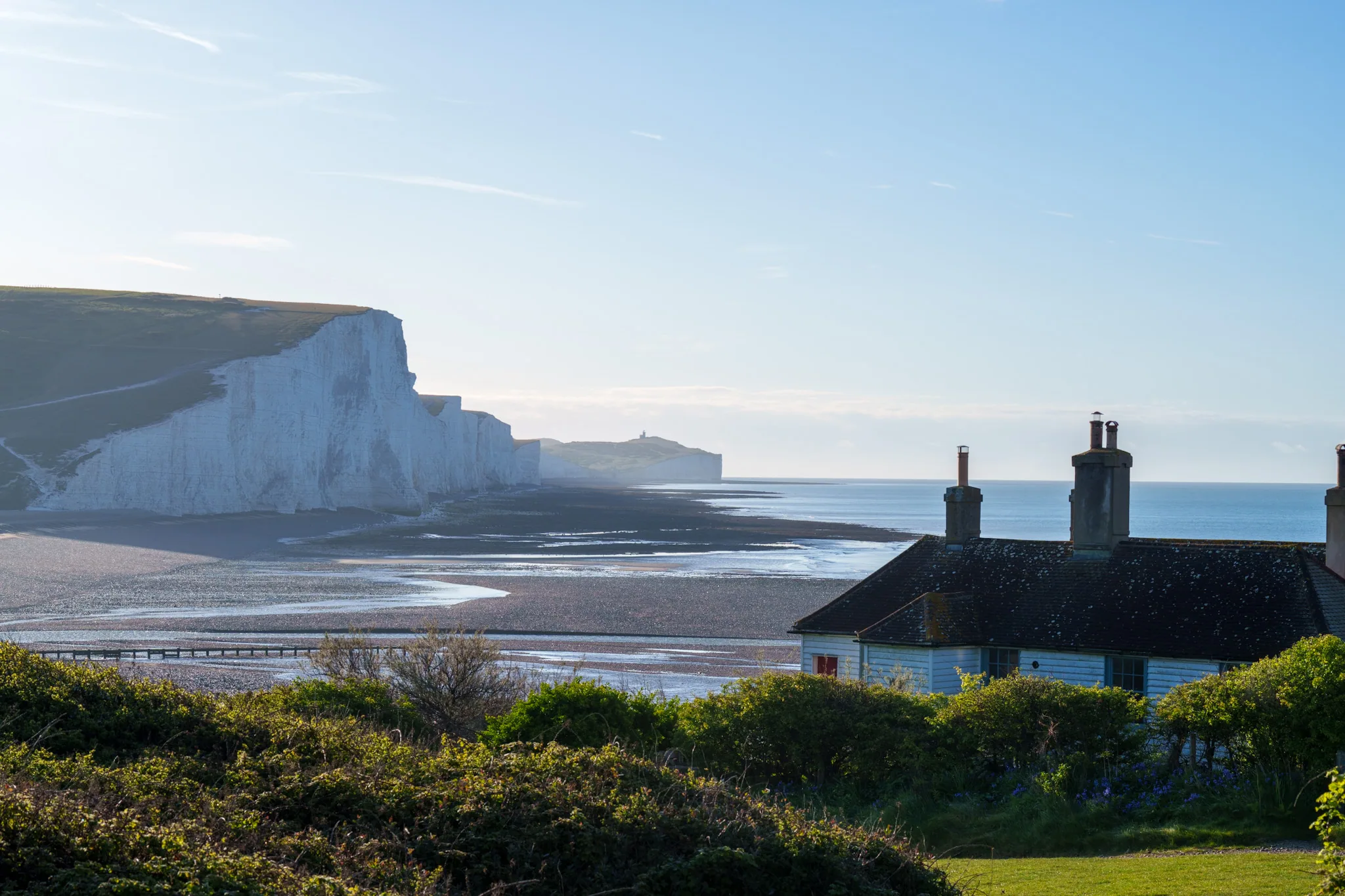
The beach at the Cuckmere River mouth has shingle rather than chalk reef — less productive for classic rock pooling but excellent for finding shore crabs under stones and in the river margins. The lower section of the river itself has interesting freshwater/saltwater mixing zones with their own distinct species.
What You Can Find: Species Guide
Common Species (Easy Finds)
- Shore Crab (Carcinus maenas): Under every stone. Green to orange-brown. Pinch-ready — handle carefully. Juveniles are extremely variable in colour.
- Hermit Crabs: Walk around in borrowed whelk or periwinkle shells. Look for a shell moving with surprising speed.
- Beadlet Anemones: Brilliant red or green blobs when exposed at low tide; when submerged, they expand into spectacular flower shapes to catch plankton.
- Periwinkles: Small snails in black, dark green and brown. On the rocks above the waterline and in all pools.
- Limpets: Conical shells clamped to rock. Apparently motionless but they move at night to graze algae.
- Dog Whelk: White/cream shell, carnivorous. Drills through limpet and mussel shells to feed. Look for purple/orange colour variants.
Exciting Finds (Worth Looking For)
- Blenny (Shanny): Small fish sheltering under stones in mid-to-lower pools. Bulgy eyes, greenish-brown. Will sit still if you move slowly.
- Shore Rockling: Eel-like, brown fish in deeper pools. Can be 15–20cm. Often spotted at the edge of your vision.
- Starfish: Common Starfish and Spiny Starfish in lower pools. Often orange-red, slow-moving. Don't handle unnecessarily — they're delicate.
- Sea Slater: Large (3–4cm) grey isopod — looks like an oversized woodlouse. Found at the high tide line in cracks and under debris.
- Topshells: Beautiful cone-shaped shells with purple and cream patterning. Often found in dense clusters in mid-pool.
Rare Finds
- Cushion Star: Small (5-pointed but almost pentagonal shape). Green or orange-yellow. Low shore only, often missed.
- Clingfish: Tiny fish (3–4cm) that clings to undersides of stones. Easy to miss. Distinctive blunt head.
- Snakelocks Anemone: Unlike beadlet anemones, these don't retract. Flowing green tentacles. Beautiful but sting if touched.
Tidal Timing: This Is Everything
Rock pooling below the Seven Sisters is only possible at lower states of the tide. Check a tide table for Eastbourne (the nearest tidal reference station) before you go. Low tide on a spring tide gives access to the lowest, richest pools — aim to arrive 1–1.5 hours before low water and leave before the tide has fully returned.
Critical safety point: Do not go onto the chalk platform when there is any significant swell — even calm-day swell can send water surging unpredictably over the platform. Check the Met Office marine forecast, not just the weather forecast. If the swell height is above 0.5m, stay off the platform.
What to Bring
- Old trainers or wetsuit boots: The chalk and flint are extremely sharp. Never rock pool in bare feet.
- Waterproof containers or ice cream tubs: For viewing creatures briefly in water. Always return everything to where you found it.
- Hand lens or magnifying glass: Tiny creatures (amphipods, copepods) are extraordinary under magnification.
- Identification guide: The Collins Complete Guide to British Coastal Wildlife covers everything you'll find.
- Camera with macro mode: Even a smartphone camera can get excellent close-ups of anemones and crabs in clear water.
- Dry bag for phones: Water and electronics don't mix well in rock pool conditions.
The Code of Conduct
- Replace stones exactly as you found them — the animals underneath depend on specific microhabitats.
- Never take animals from pools except briefly for viewing and photography.
- Don't use nets aggressively — catching rock pool fish by netting is stressful and can injure them.
- Be gentle with anemones — they can be damaged easily and are slow to recover.
- Keep children supervised near pools and the water's edge.
The Best Season
Rock pooling is year-round but summer (June–August) combines the best conditions: lower average swell, warmer water (easier to peer into pools with your face near the surface), higher likelihood of calm days, and more species active in warmer temperatures. Low-lying early morning tides in July and August often expose the largest platform areas.
Rock pooling at Birling Gap is one of the most underrated activities near Seven Sisters. While thousands of visitors walk the clifftop above, just a few are crouched at the water's edge watching starfish and shannies. Take the time to come down to beach level — it's a completely different experience of the same coastline.
Planning the walk itself?
Four routes run along these cliffs and they are not interchangeable — a flat 3km riverside stroll, the classic 6.5km Exceat to Birling Gap crossing, a short Birling Gap loop, and the full 21.9km Seaford to Eastbourne ridge. Compare distance, ascent and difficulty before you pick one.
- Easy Birling Gap Short Loop 2 km 45 min
- Easy Cuckmere Haven Beach 3 km 1 hour
- Moderate Exceat to Birling Gap 6.5 km 2-3 hours
- Challenging Seaford to Eastbourne 21.9 km 6-7 hours
We may earn a small commission on bookings made through this link, at no extra cost to you. More info.
£4.99 · 24-page PDF · Instant download
The Seven Sisters Ultimate Guide
The complete 24-page companion built from first-hand walks — every cliff, all four graded routes, tide windows and a parking strategy. Designed to work offline, right on the cliff top.
- All 7 cliffs — heights, geology & viewpoints
- Four graded walking routes, compared
- Tide windows, light calendar & day plans
- Parking strategy & seasonal planner
Just want the basics? Download the free 2-page walk guide
Want an expert-led Seven Sisters tour?
From guided cliff walks and wildlife safaris to geology hikes and photography tours — explore all our curated experiences with local guides.