Seven Sisters in July & August: The Complete Summer Visitor Guide
July and August are the most visited months at Seven Sisters — and also, when you approach them correctly, some of the best. The long days, warm temperatures, clear sea, and abundant wildlife make peak summer genuinely exceptional. The challenge is that the school summer holidays from late July onwards bring the largest visitor numbers of the year. This guide helps you navigate both the crowds and the conditions to get the most from a summer visit.
The Summer Calendar: When Is It Busiest?
Early July (1–18 July)
Schools in England and Wales don't finish until the week of 18–25 July (depending on LEA). Early July is therefore the best window in high summer: long days, warm weather, but significantly fewer visitors than the school holidays. The Birling Gap car park is typically full by 10:30–11am rather than 9am, and the main path is busy but not overwhelming. This is arguably the best fortnight of the entire year for a visit.
Late July to Late August (School Holidays)
From the last week of July until the first week of September, Seven Sisters enters peak season. Visitor numbers on sunny days can exceed 6,000 to the Birling Gap/Cuckmere area. The car parks fill before 9am. The main clifftop path between Cuckmere Haven and Birling Gap becomes a procession rather than a walk. This is also when the cliffs are at their most spectacular — the sea is its bluest, butterflies are abundant, the light is extraordinary late in the evening. The solution is not to avoid this period but to plan around it.
What's Different About Summer Weather
The English Channel creates its own microclimate at Seven Sisters. Summer temperatures at the cliff edge are often 3–5°C cooler than inland East Sussex due to the sea breeze. This is pleasant for walking but means the perceived temperature can significantly understate UV intensity. Days that feel mild can still cause significant sunburn on the exposed chalk grassland.
Afternoon thunderstorms are more common in July and August than any other time of year. The cliffs are an exposed elevated position — not a safe place to be during electrical storms. Check the forecast and build in flexibility.
The Best Walks for Peak Season
The Evening Clifftop Walk
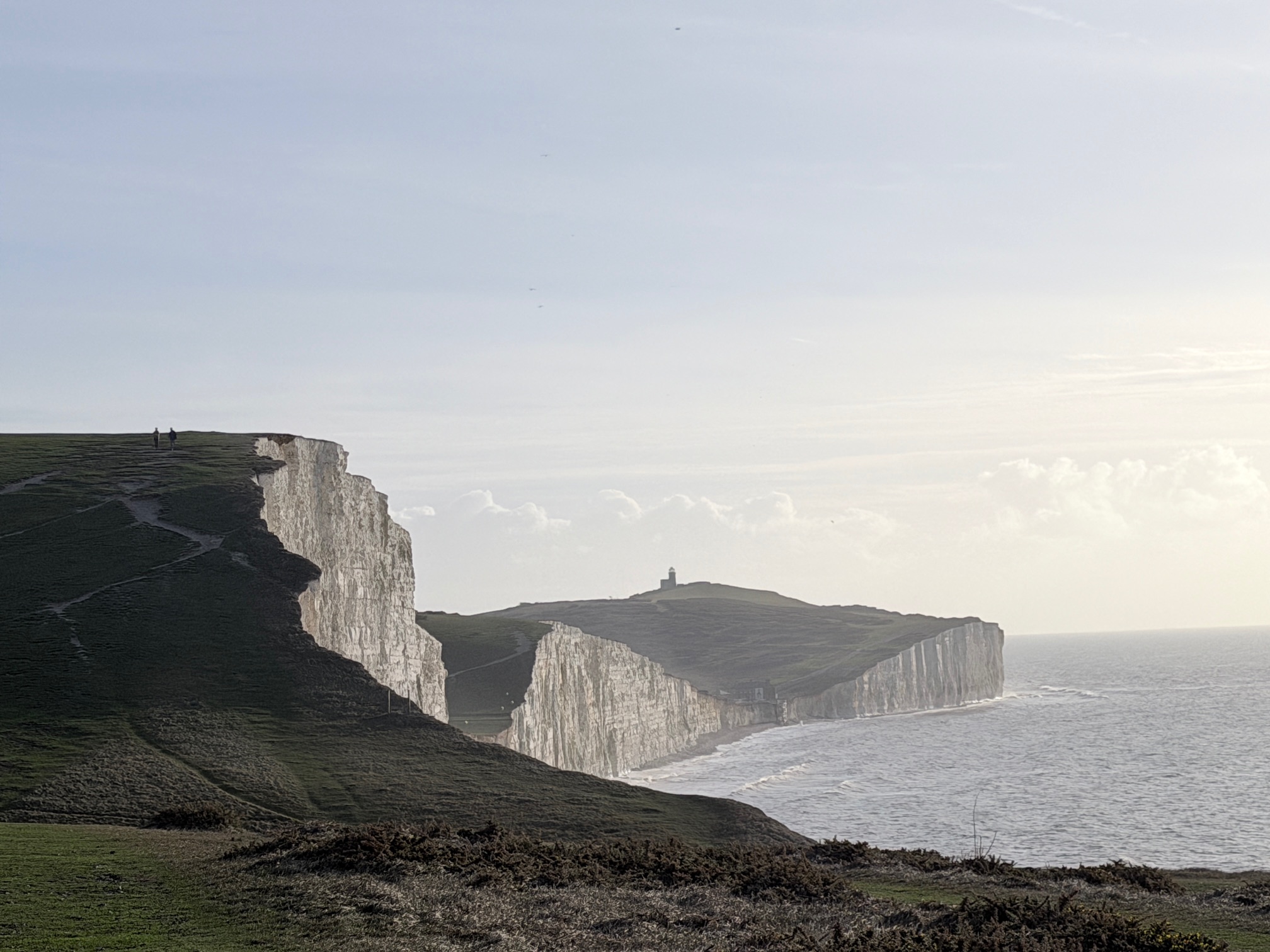
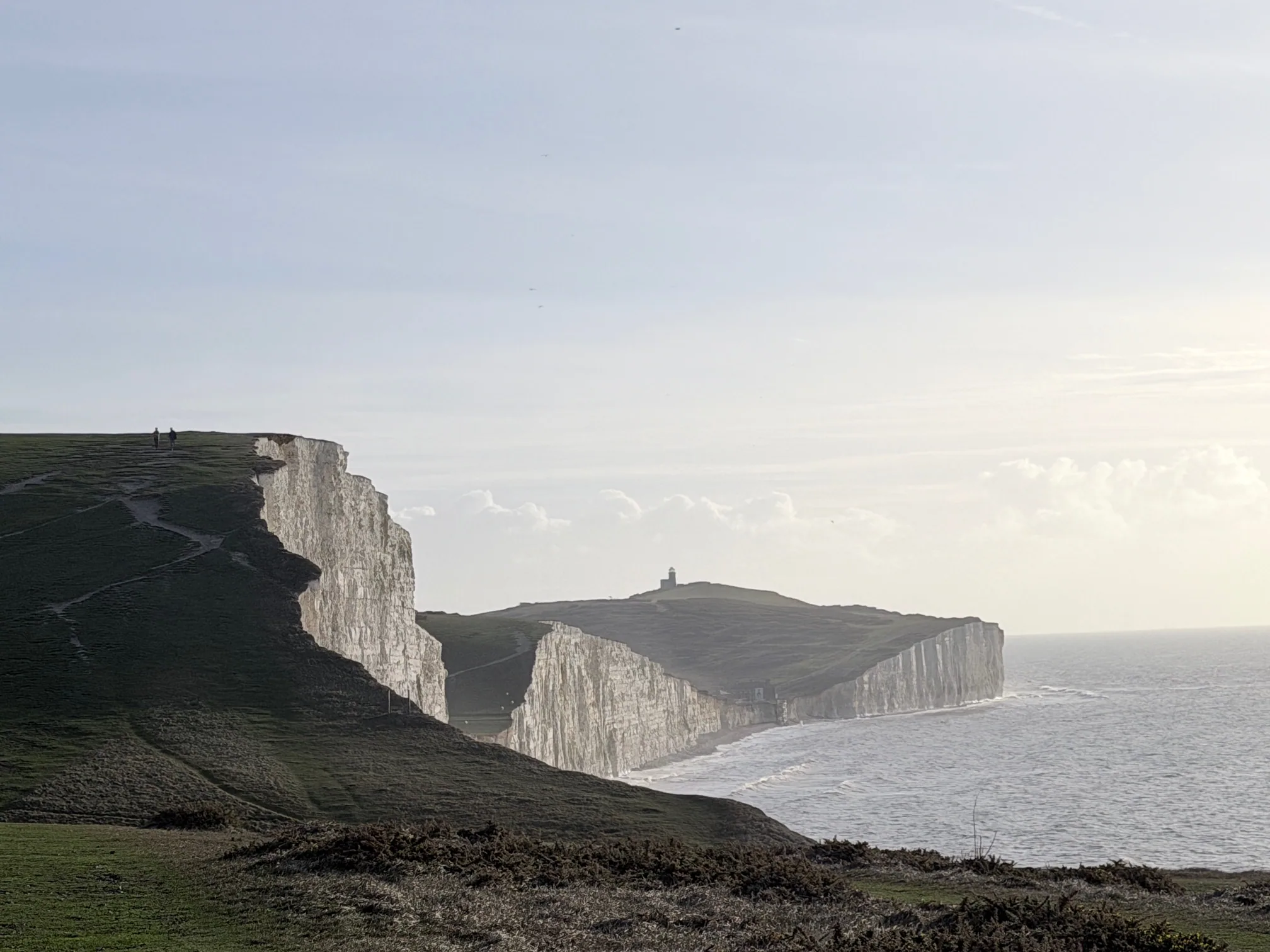
In July, the sun sets after 9pm. A 6:30pm departure from Birling Gap gives you two and a half hours of walking in progressively improving light, with crowds thinning from the first hour. By the time you're at peak viewpoints, the main influx of visitors is heading back to cars. The golden hour along the cliff edge in late July and August is genuinely among the finest walking experiences in Britain.
The Cuckmere Valley Circuit
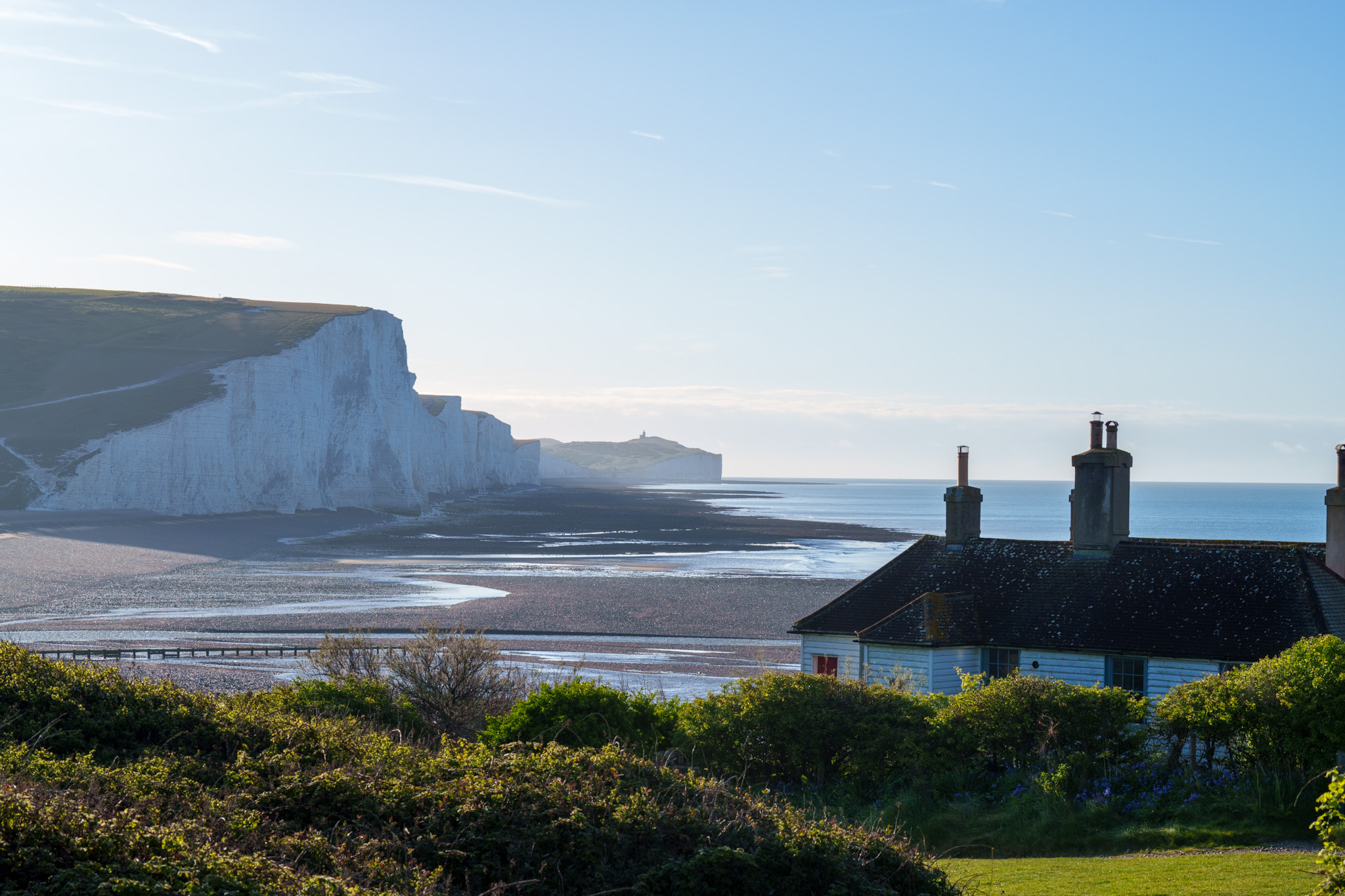
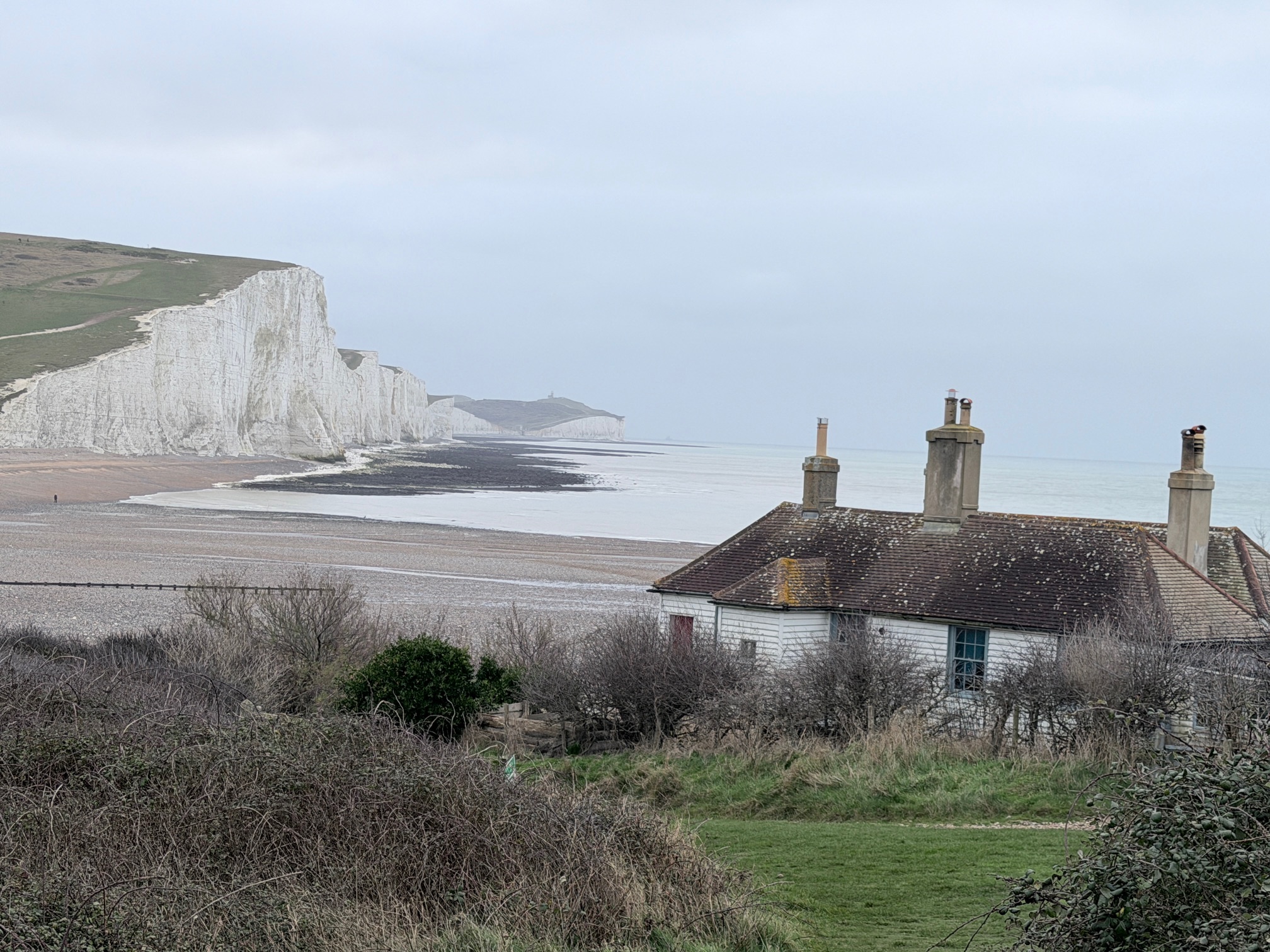
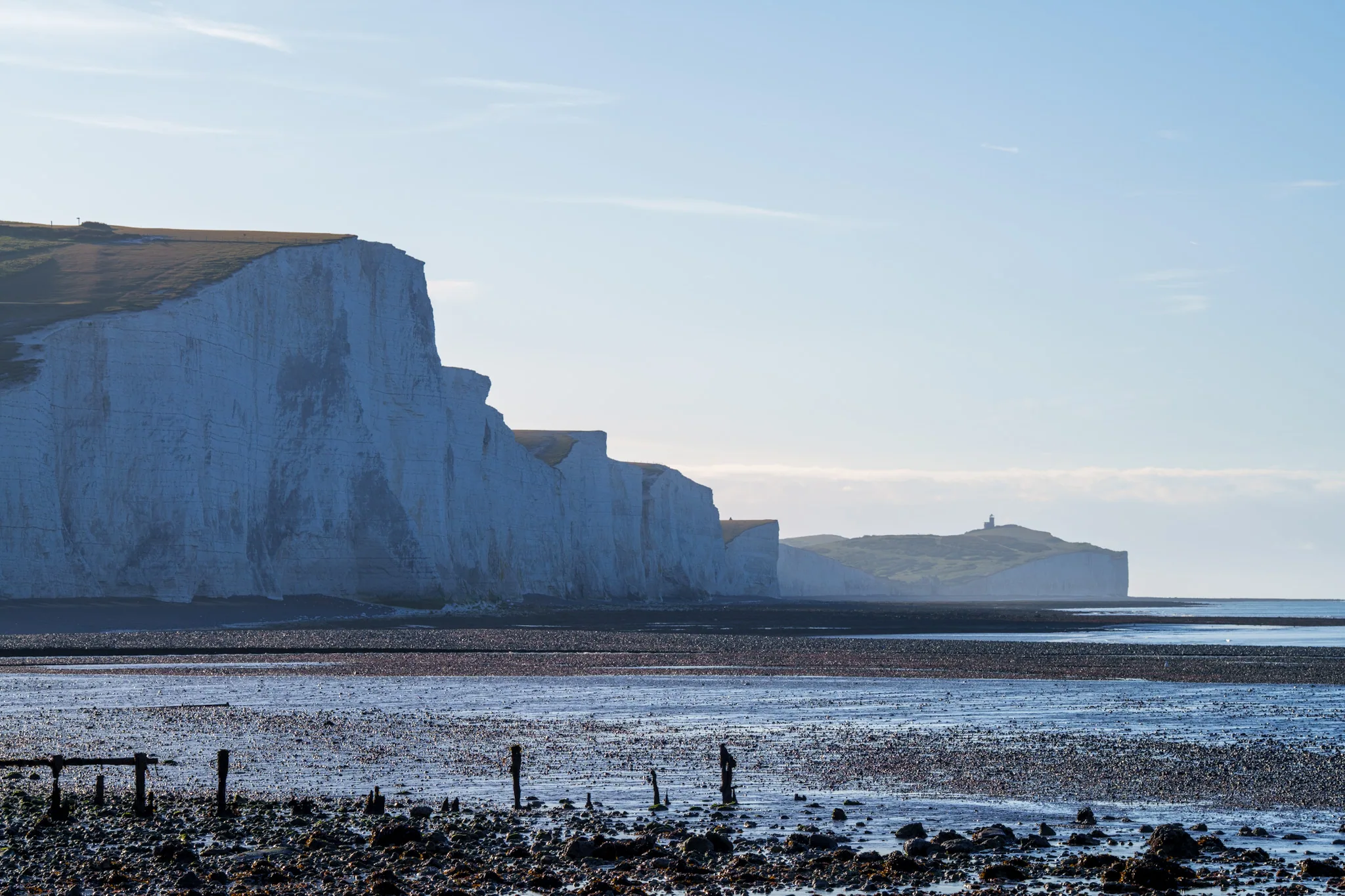
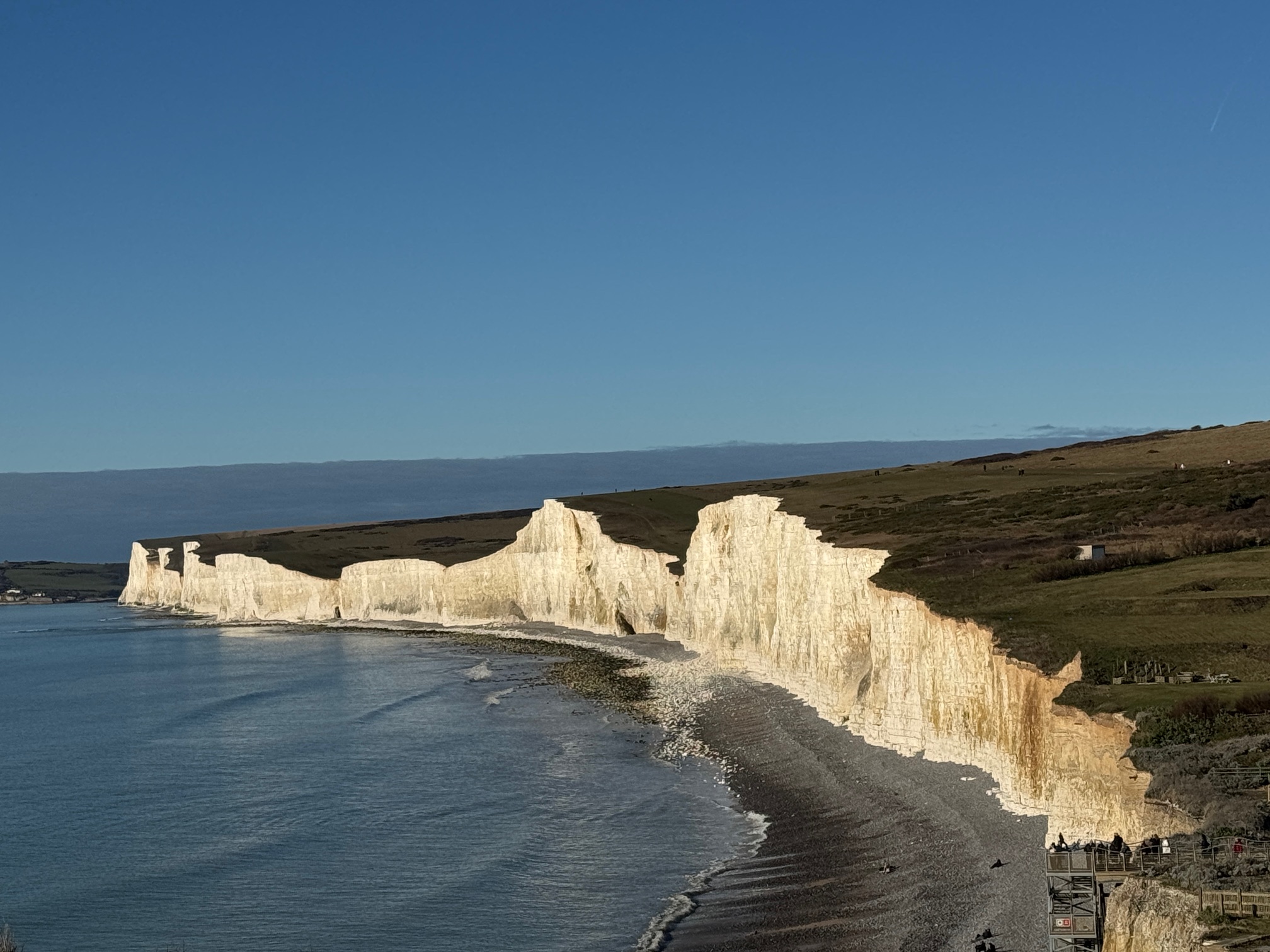
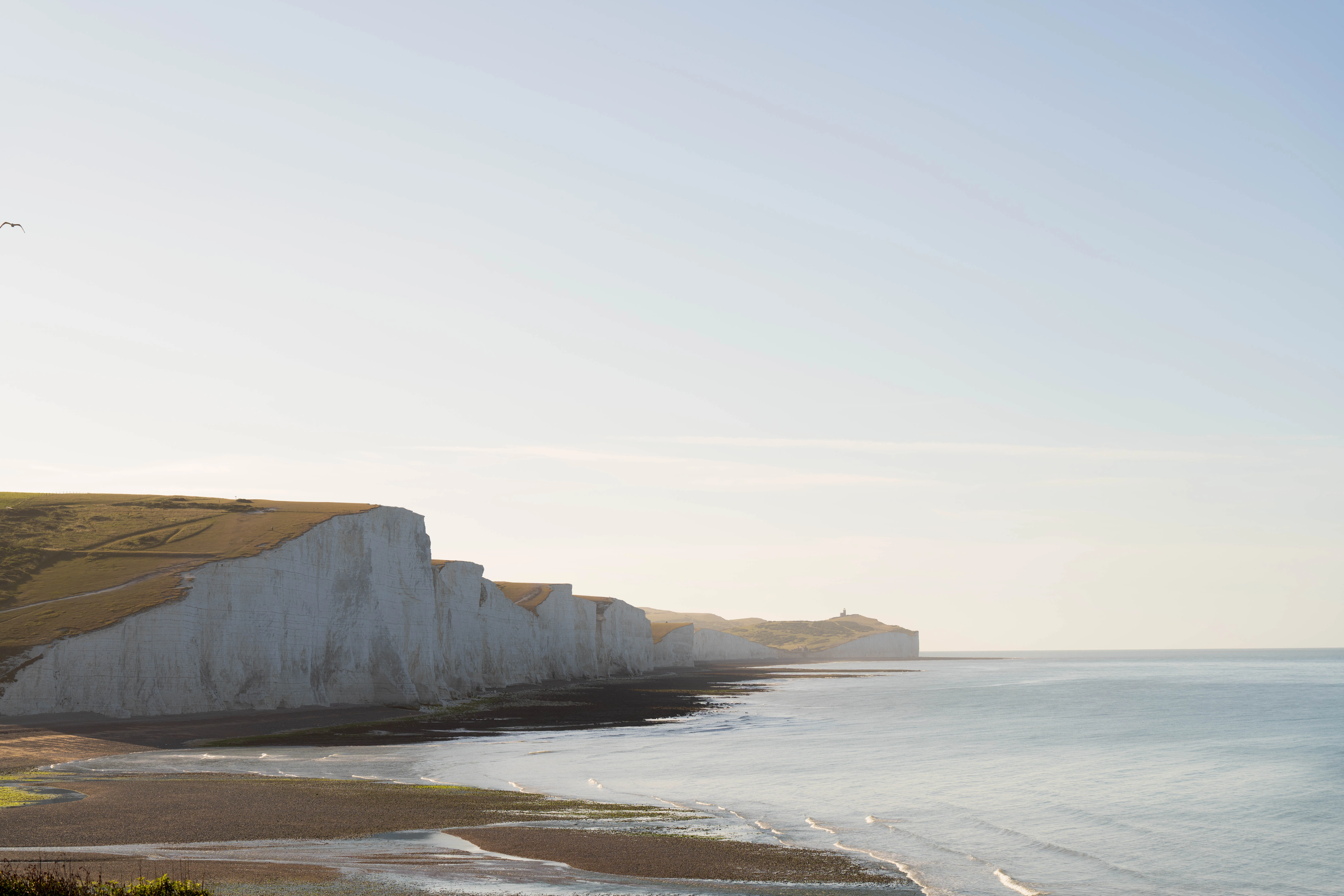
The valley route is consistently less crowded than the clifftop in summer. Park at Exceat, walk to Cuckmere Haven beach via the east bank of the river, look back at the Seven Sisters from the beach (the classic view), then return via the west bank. About 4 miles, largely flat, excellent for families. The view from the beach looking northeast at the white cliffs against a summer sky is the one that ends up on postcards.
The Seaford to Hope Gap Walk
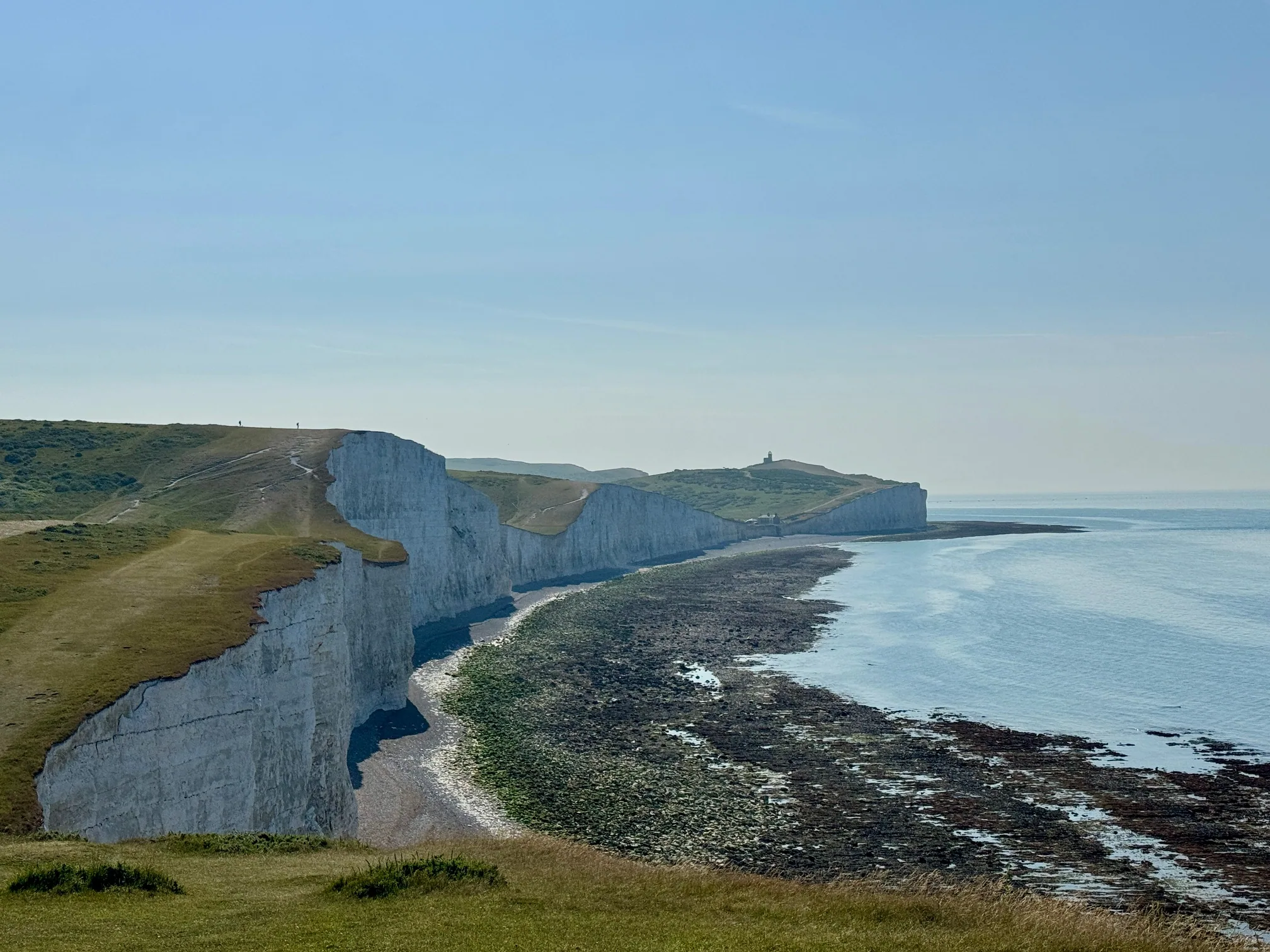
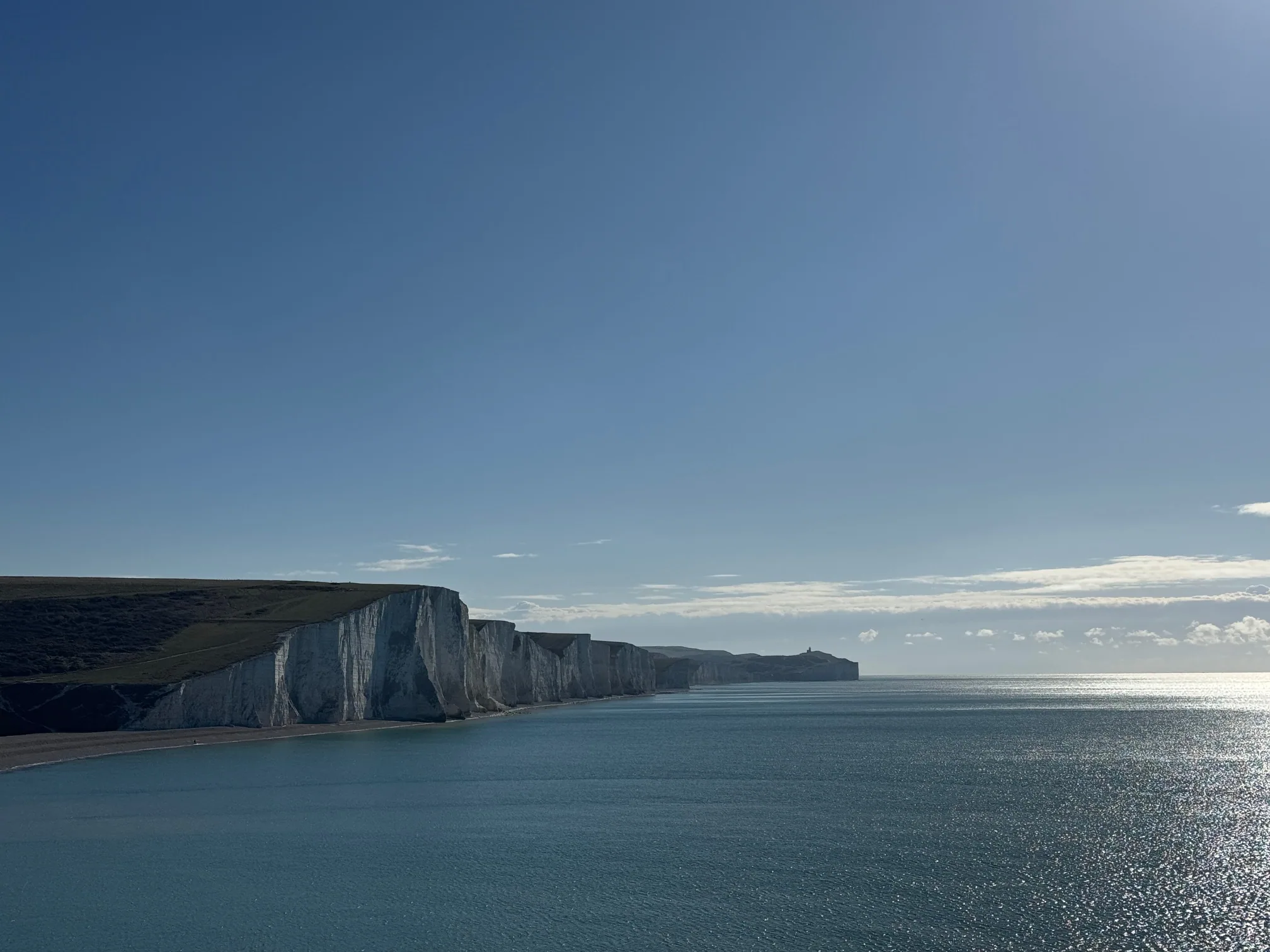
This western approach to Seven Sisters starts at Seaford. Park in town, walk the esplanade east, then take the coastal path to Seaford Head and Hope Gap. The viewpoint at Hope Gap looking east along the full line of the Seven Sisters is arguably the best in the area and sees a fraction of the visitors compared to Birling Gap. Summer is when this walk is at its best — clear skies, blue sea, full cliff visibility.
Summer Wildlife: What's Happening in July and August
- Butterflies: Peak butterfly season on the chalk grassland. Adonis Blue, Chalkhill Blue, Marbled White, Painted Lady, and Common Blue all active. The downland between Birling Gap and Belle Tout Lighthouse is particularly good.
- Seabirds: Kittiwake chicks have fledged by late July. Gannets can be seen diving offshore from July onwards. Shearwaters and skuas pass during August on their southward migration.
- Mammals: Roe deer are more often seen in early morning and late evening in summer. Foxes bring cubs to field edges.
- Wildflowers: Pyramidal orchids (June–August), Wild Thyme (July–September), Autumn Gentian (August–October). Late summer brings its own sequence of chalk grassland flowers even as the spring species finish.
Practical Summer Specifics
Parking During School Holidays
Honest timeline on a sunny July/August day:
- By 8:30am: Birling Gap filling fast. Exceat may still have space.
- By 9:30am: Birling Gap full. Exceat filling. East Dean spaces going.
- By 10:30am: All main car parks full. Roadside overflow for 500m.
- After 4pm: Spaces beginning to appear as families leave.
The Bus Option in Summer
The 13X (Brighton & Hove) bus from Eastbourne to Birling Gap runs regularly throughout the day in summer. In school holidays, Brighton & Hove often adds additional services to meet demand. This is genuinely the most stress-free approach during peak season — the bus drops you at the cliff edge with no parking logistics.
Getting the Most from a Summer Visit
- Book any guided tours at least 3 weeks ahead for July and August dates — they sell out.
- Early morning (pre-9am) and late evening (post-6pm) are the two best windows. Everything in between can be managed but plan for crowds.
- Bring at least 2 litres of water per adult. The Birling Gap café queue can be very long on peak days.
- The Cuckmere Inn at Exceat is an excellent lunch option — arrive before 12pm or after 2pm to avoid the lunch rush.
- Pack a picnic blanket — the grass above the cliff edge is excellent for afternoon sitting with views.
- Tuesday–Thursday are quieter than the weekend in peak summer. If you have flexibility, mid-week visits are significantly more relaxed.
Summer Accommodation Near Seven Sisters
East Dean, Alfriston, and Seaford all have accommodation within easy reach of Seven Sisters. Alfriston in particular has several excellent B&Bs and The Star Inn, one of the oldest pubs in Sussex. Booking 2–3 months ahead is essential for July and August dates.
The Hidden Gem: August Evenings
August evenings at Seven Sisters are among the most magical times to be on the cliffs — warm air, golden light, the sea at its warmest and calmest, and visitor numbers dropping rapidly after 5pm. The sun sets at around 8:30–8:45pm in mid-August. A 6pm walk gives you sunset from the clifftop, followed by the gradual blues and purples of dusk. Bring a torch and a flask. This is the experience most summer visitors entirely miss by leaving at 4pm.
Guided Tours in July and August
Several operators offer specialist summer tours including photography walks (golden hour), dawn chorus bird walks, butterfly identification walks, and geology tours. These provide context and access to parts of the area most visitors don't discover on their own. Essential to book ahead — July and August tour slots fill months in advance.
Planning the walk itself?
Four routes run along these cliffs and they are not interchangeable — a flat 3km riverside stroll, the classic 6.5km Exceat to Birling Gap crossing, a short Birling Gap loop, and the full 21.9km Seaford to Eastbourne ridge. Compare distance, ascent and difficulty before you pick one.
- Easy Birling Gap Short Loop 2 km 45 min
- Easy Cuckmere Haven Beach 3 km 1 hour
- Moderate Exceat to Birling Gap 6.5 km 2-3 hours
- Challenging Seaford to Eastbourne 21.9 km 6-7 hours
We may earn a small commission on bookings made through this link, at no extra cost to you. More info.
£4.99 · 24-page PDF · Instant download
The Seven Sisters Ultimate Guide
The complete 24-page companion built from first-hand walks — every cliff, all four graded routes, tide windows and a parking strategy. Designed to work offline, right on the cliff top.
- All 7 cliffs — heights, geology & viewpoints
- Four graded walking routes, compared
- Tide windows, light calendar & day plans
- Parking strategy & seasonal planner
Just want the basics? Download the free 2-page walk guide
Want an expert-led Seven Sisters tour?
From guided cliff walks and wildlife safaris to geology hikes and photography tours — explore all our curated experiences with local guides.