Walking Seven Sisters in Summer: Heat, UV & Safety in July and August
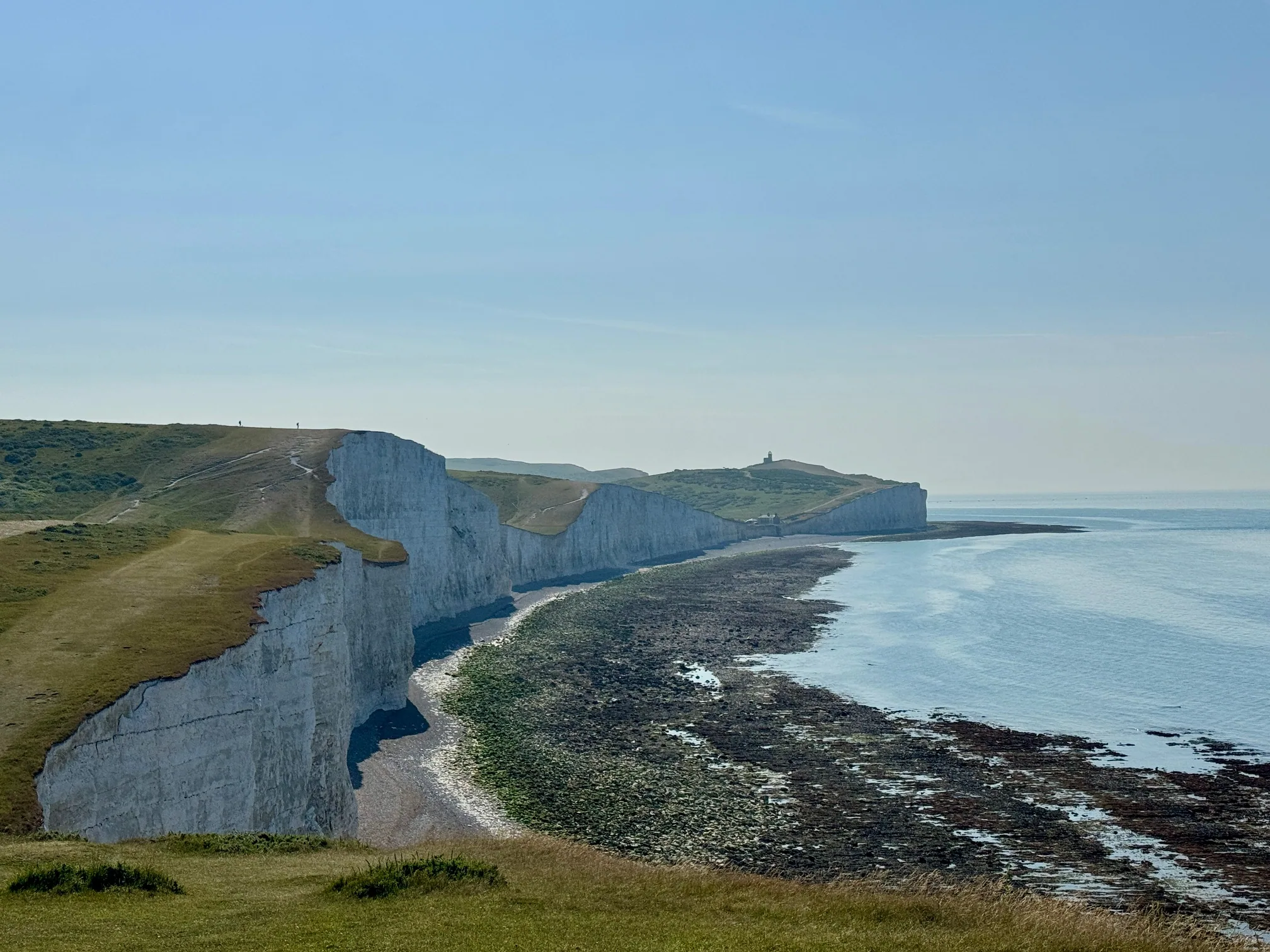
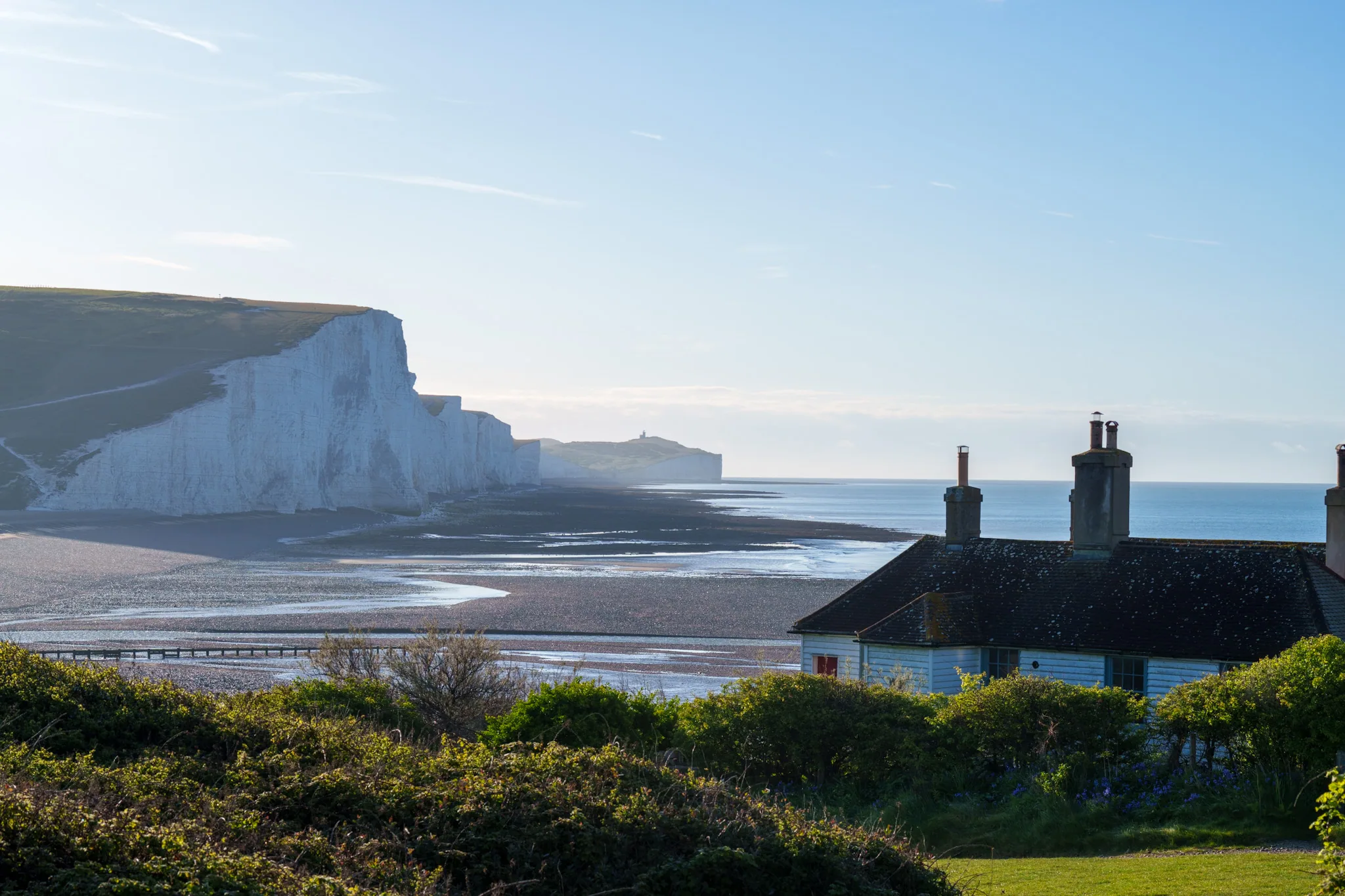
The Seven Sisters clifftop walk in summer is spectacular — but it's also one of the most exposed walking routes in southern England. There is virtually no shade between Cuckmere Haven and Birling Gap. The white chalk reflects UV upwards. The sea breeze can make the temperature feel cooler than it is, masking the intensity of sun exposure. Every summer, visitors end up in difficulty from dehydration, heat exhaustion, and sunburn that could easily have been avoided with basic preparation.
Why the Clifftop Is Surprisingly Harsh in Summer
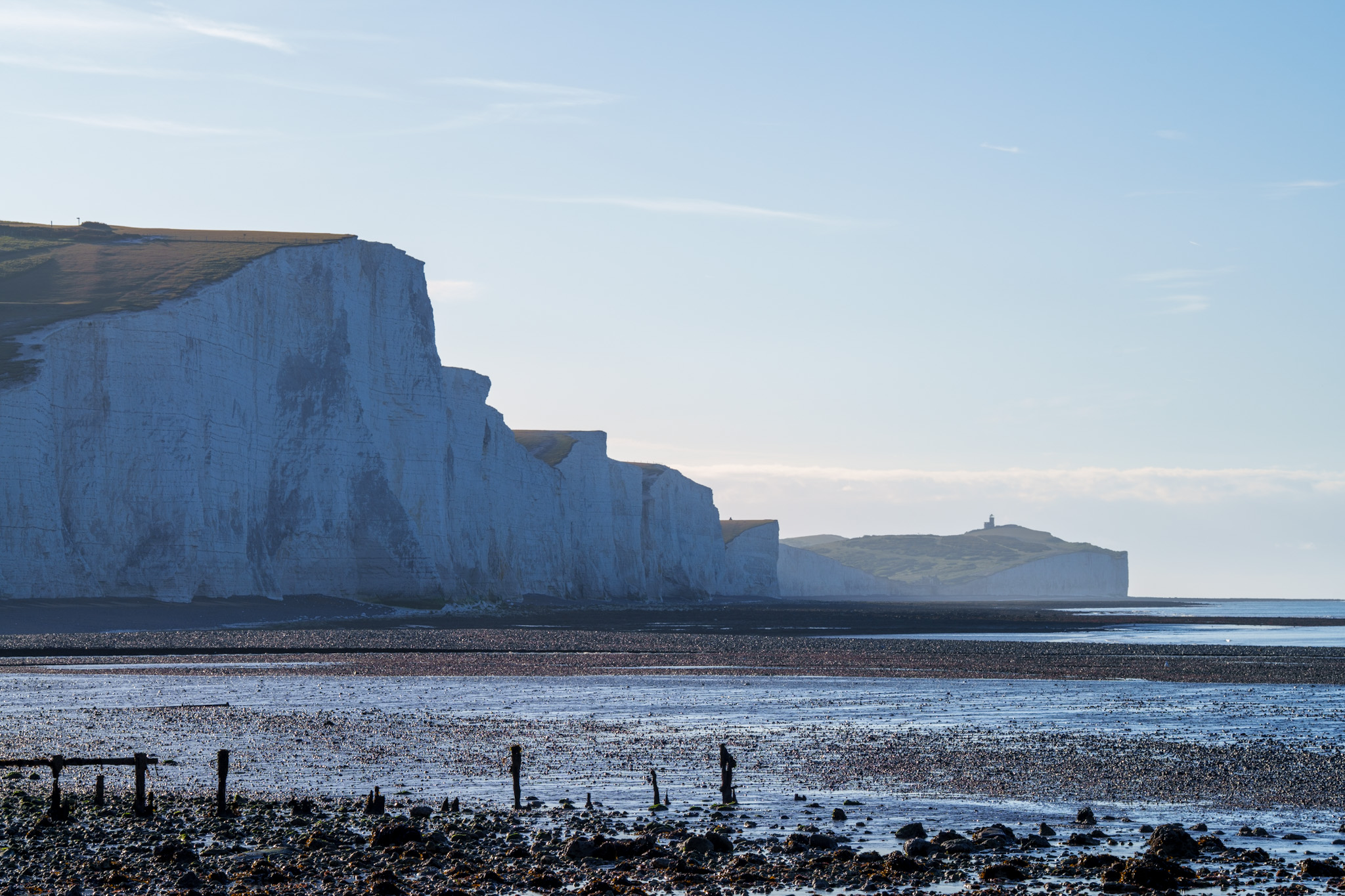
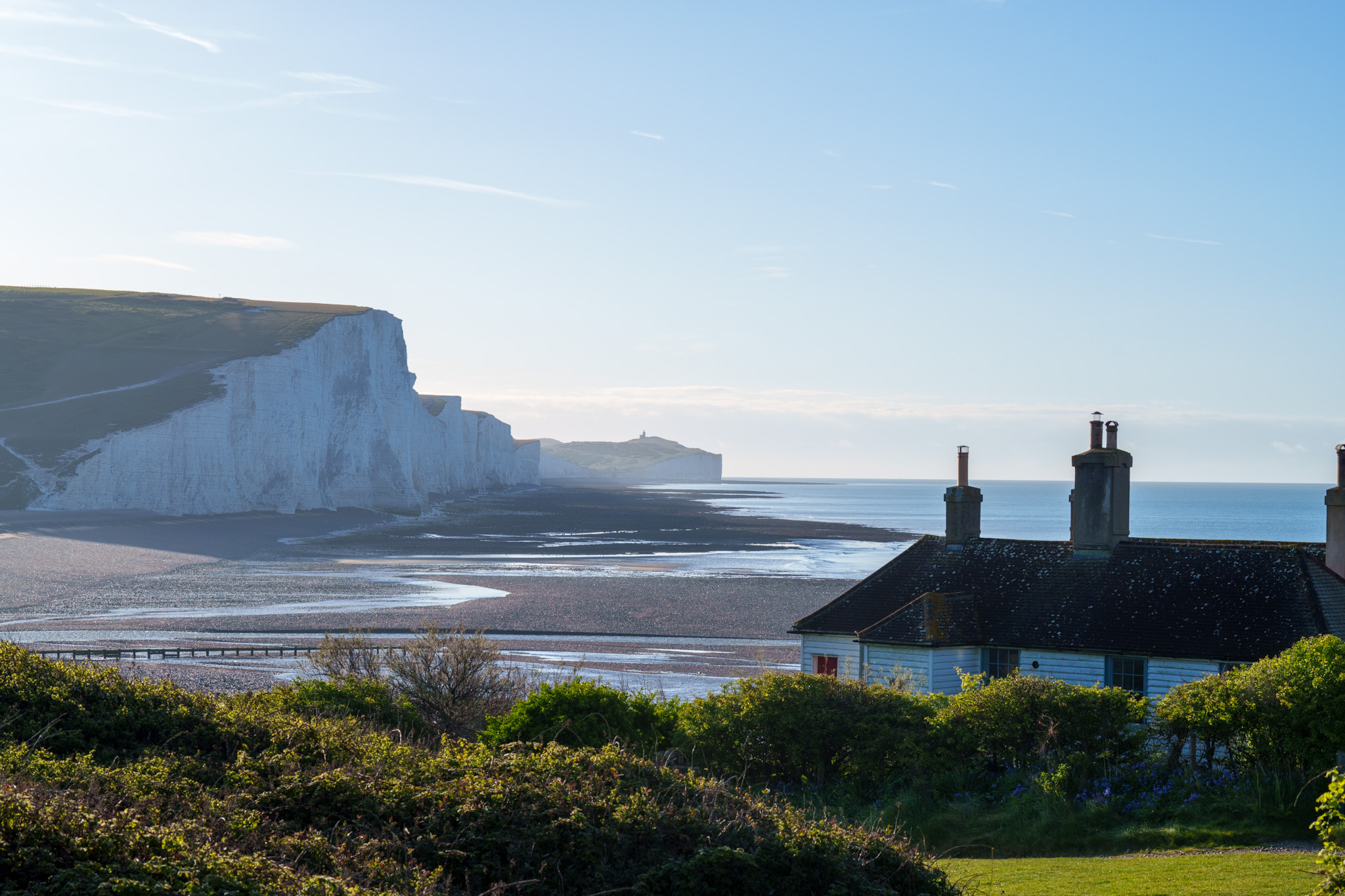
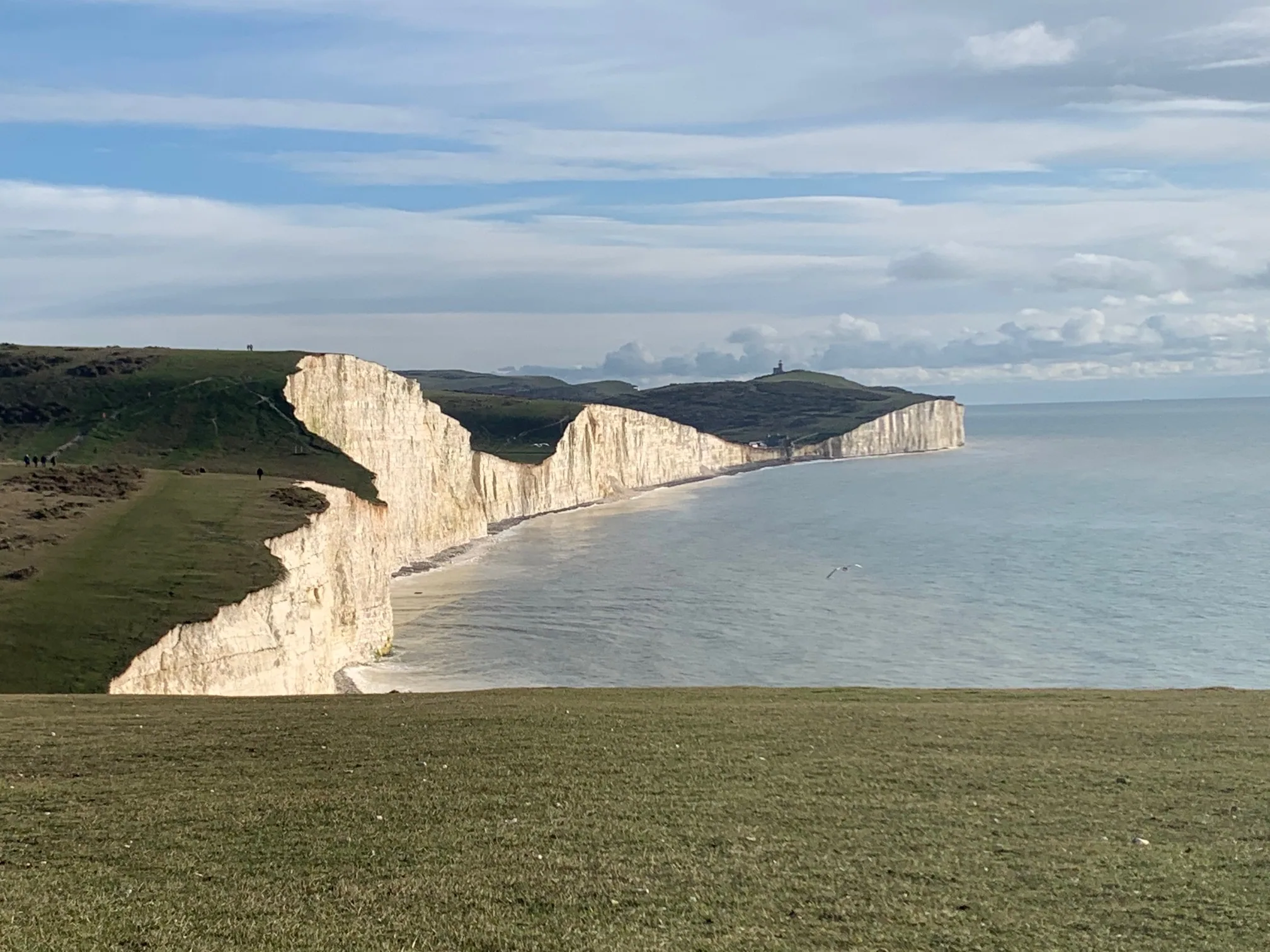
The Seven Sisters is an open chalk grassland headland. There are no trees. The path runs along the cliff edge with unobstructed exposure to the south and west. Three factors combine to make sun exposure more intense than it might feel:
- Sea breeze cooling effect: Even on a 25°C day, a 15 mph sea breeze can make the temperature feel like 18–19°C. This masks the UV intensity, which remains high regardless of air temperature.
- Chalk reflection: The white chalk surface reflects UV radiation back upward, increasing exposure below as well as above. This affects bare legs and the underside of arms and face.
- Extended exposure time: The classic Seven Sisters walk (Cuckmere Haven to Birling Gap and back) takes 3–4 hours for most walkers. That's a significant cumulative sun exposure on a clear July day.
UV note: UV Index 6 or above (typical for a clear summer day on the Sussex coast) is classified as "high" by the WHO. At UV Index 8+, unprotected skin can burn in as little as 10–15 minutes.
Hydration: What You Actually Need
The general recommendation for moderate walking in warm weather is 500ml of water per hour — more in heat above 20°C or when the walk involves significant climbing. The Seven Sisters route from Cuckmere Haven to Birling Gap has approximately 280m of cumulative ascent over the seven cliff peaks (around 560m for the return walk). In summer heat, this requires 1.5–2 litres of water for the return walk for most adults.
What's Available Enroute
- Birling Gap: National Trust café sells cold drinks. Tap water is available. However, there is no water point on the clifftop itself between Cuckmere and Birling Gap.
- Exceat: The Living Room of the Levels exhibition space has a café with drinks.
- Nowhere on the path itself: There is no water source once you leave the car park. Plan accordingly.
Best Times to Walk in Hot Weather
The standard UK summer advice applies with some modifications for the clifftop:
- Morning walks (before 11am): Temperature manageable, UV still rising. Best overall option in a genuine heatwave.
- Midday (11am–3pm): Peak UV and often peak temperature. Not recommended on days above 24°C unless you're well-prepared and experienced.
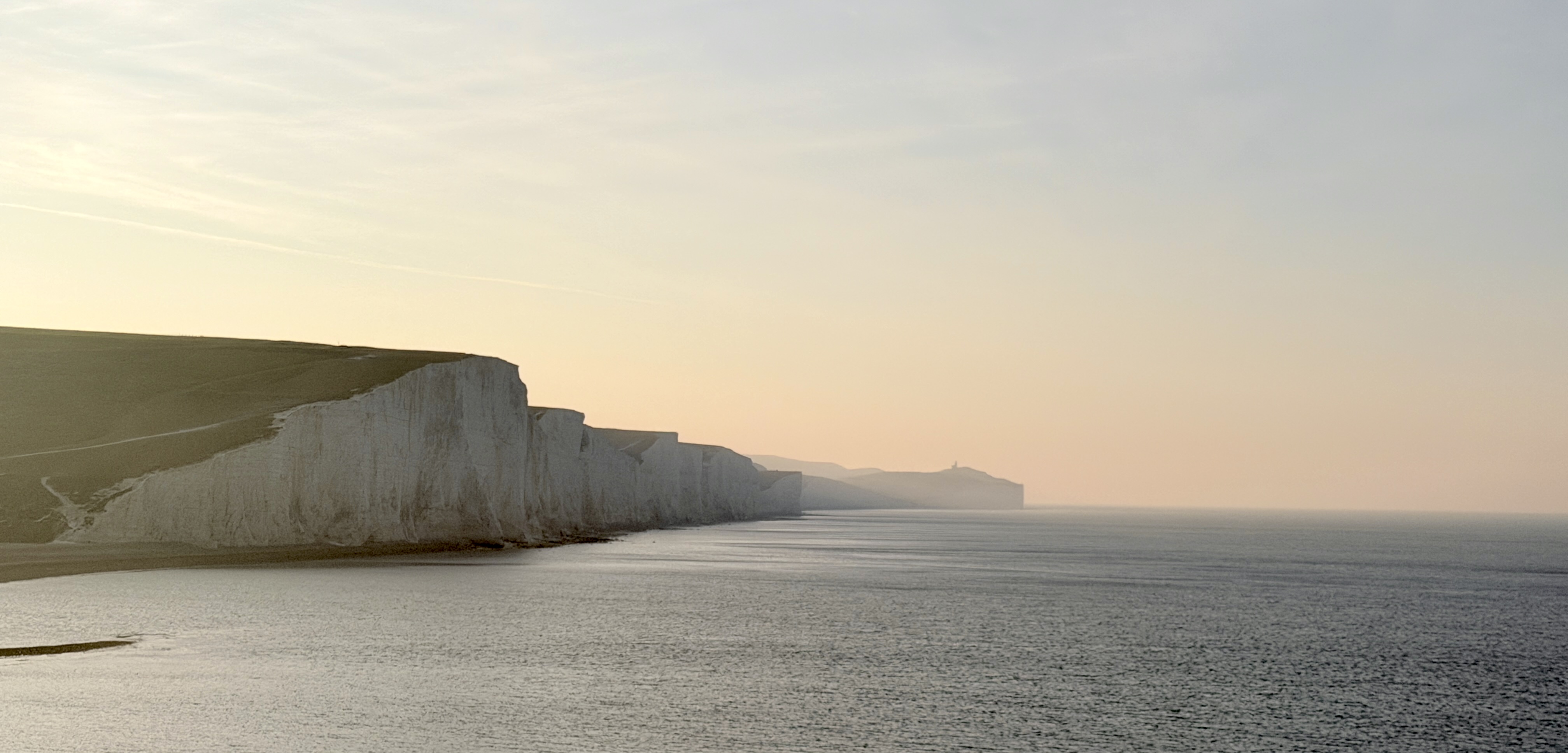
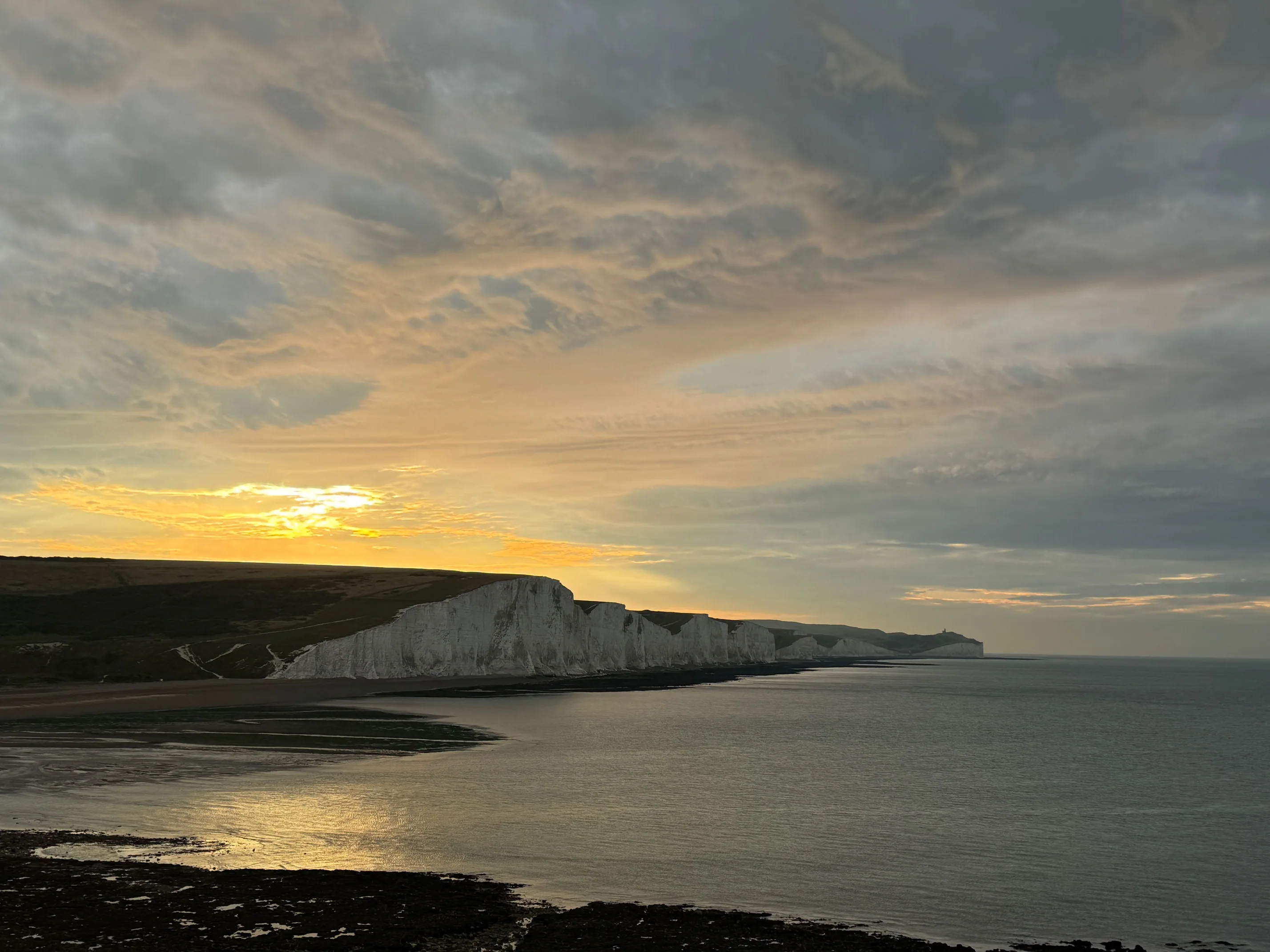
- Evening walks (after 5pm): Temperature dropping, UV declining, extraordinary golden light. In July, sunset is after 9pm — a 6pm start gives you 3 hours in perfect walking conditions.
- Overnight or dawn: Increasingly popular with photographers and experienced walkers. Temperatures are at their lowest. Requires navigation confidence and appropriate lighting.
What to Bring for Summer Walking
Summer Walking Checklist
- Water: Minimum 2 litres per person for the full return walk. More in genuine heat.
- Sunscreen: SPF 30 minimum, water-resistant. Reapply every 90 minutes.
- Hat: Wide-brimmed or cap. Essential. The sea breeze makes it easy to forget how strong the sun is.
- Sunglasses: Polarised lenses reduce glare from the chalk and sea significantly.
- Light layers: A lightweight wind/sun shirt protects arms better than sunscreen alone and doesn't need reapplying.
- Snacks: Electrolyte snacks (salty foods) help maintain hydration in heat.
- Phone charge: For navigation and in case of emergency. 999 for Coastguard.
Recognising Heat Exhaustion vs. Heatstroke
These are real risks on exposed summer walks. Know the difference:
- Heat exhaustion: Heavy sweating, cold/pale/clammy skin, fast/weak pulse, nausea, muscle cramps. Treat by moving to shade, lying down with legs raised, drinking water slowly. Usually resolves within 30 minutes.
- Heatstroke: No sweating despite heat, hot/red/dry skin, rapid/strong pulse, confusion, possible unconsciousness. This is an emergency. Call 999 immediately.
Children on the Clifftop in Summer
Children are more vulnerable to heat than adults — they overheat faster and complain later. Apply sunscreen before departure, not at the car park. Build in regular drink stops. Keep walks shorter in the heat of the day. The Cuckmere Valley route (largely flat and closer to water) is a better option than the clifftop for young children in hot weather.
What Makes Summer Worth It
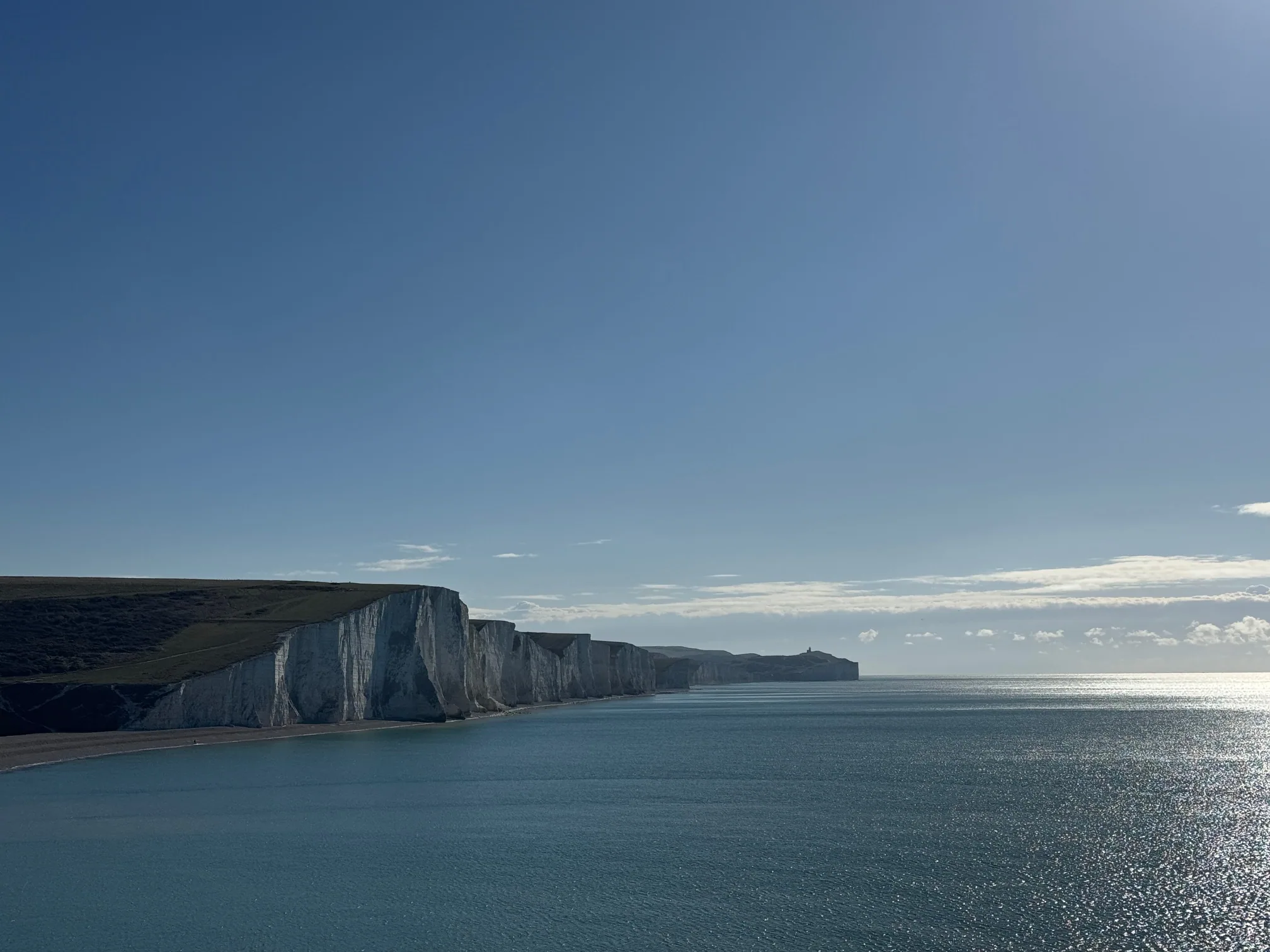
Despite these cautions, summer is genuinely one of the best times to visit. The sea is at its bluest. Wildflowers are at their peak on the chalk grassland. The long evenings allow evening walks in extraordinary golden light. Butterflies are abundant. If you walk early or late and come prepared, a July or August walk on the Seven Sisters is unforgettable.
Guided Summer Walks
Several operators offer guided morning walks departing early to avoid the midday heat. These include safety briefings, route planning, and local ecological commentary that adds real depth to the experience. Booking ahead is essential in peak summer.
Planning the walk itself?
Four routes run along these cliffs and they are not interchangeable — a flat 3km riverside stroll, the classic 6.5km Exceat to Birling Gap crossing, a short Birling Gap loop, and the full 21.9km Seaford to Eastbourne ridge. Compare distance, ascent and difficulty before you pick one.
- Easy Birling Gap Short Loop 2 km 45 min
- Easy Cuckmere Haven Beach 3 km 1 hour
- Moderate Exceat to Birling Gap 6.5 km 2-3 hours
- Challenging Seaford to Eastbourne 21.9 km 6-7 hours
We may earn a small commission on bookings made through this link, at no extra cost to you. More info.
£4.99 · 24-page PDF · Instant download
The Seven Sisters Ultimate Guide
The complete 24-page companion built from first-hand walks — every cliff, all four graded routes, tide windows and a parking strategy. Designed to work offline, right on the cliff top.
- All 7 cliffs — heights, geology & viewpoints
- Four graded walking routes, compared
- Tide windows, light calendar & day plans
- Parking strategy & seasonal planner
Just want the basics? Download the free 2-page walk guide
Want an expert-led Seven Sisters tour?
From guided cliff walks and wildlife safaris to geology hikes and photography tours — explore all our curated experiences with local guides.