Things to Do in East Sussex: The Complete Coastal Guide
East Sussex is one of England's most underrated counties for visitors. It has a National Nature Reserve along the most dramatic stretch of chalk coast in the country, a medieval harbour town that looks like a film set, a Victorian seafront resort with a world-class contemporary art gallery, and a South Downs National Park that most people from London have never properly explored. Here's everything actually worth doing.
Seven Sisters National Nature Reserve
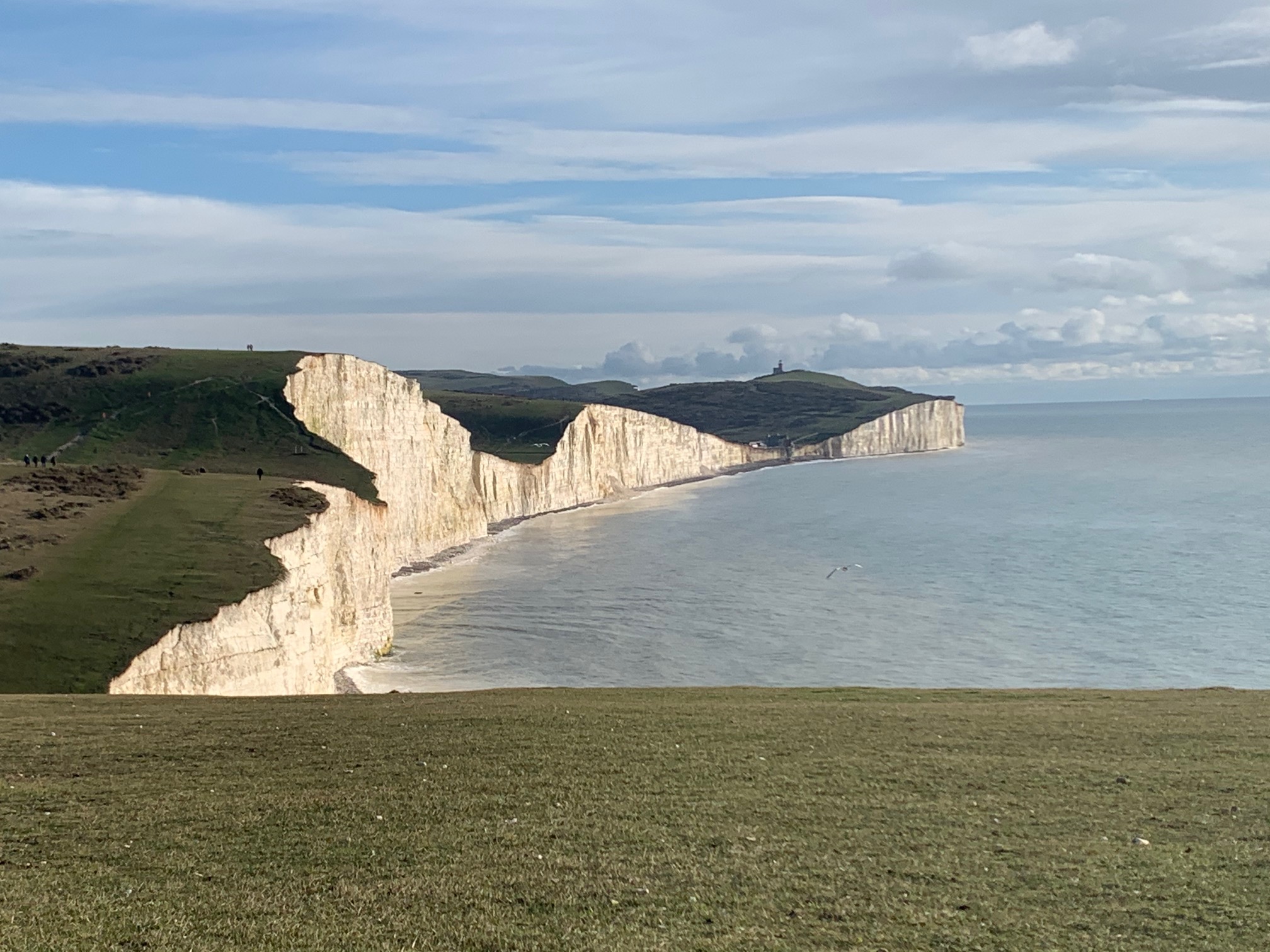
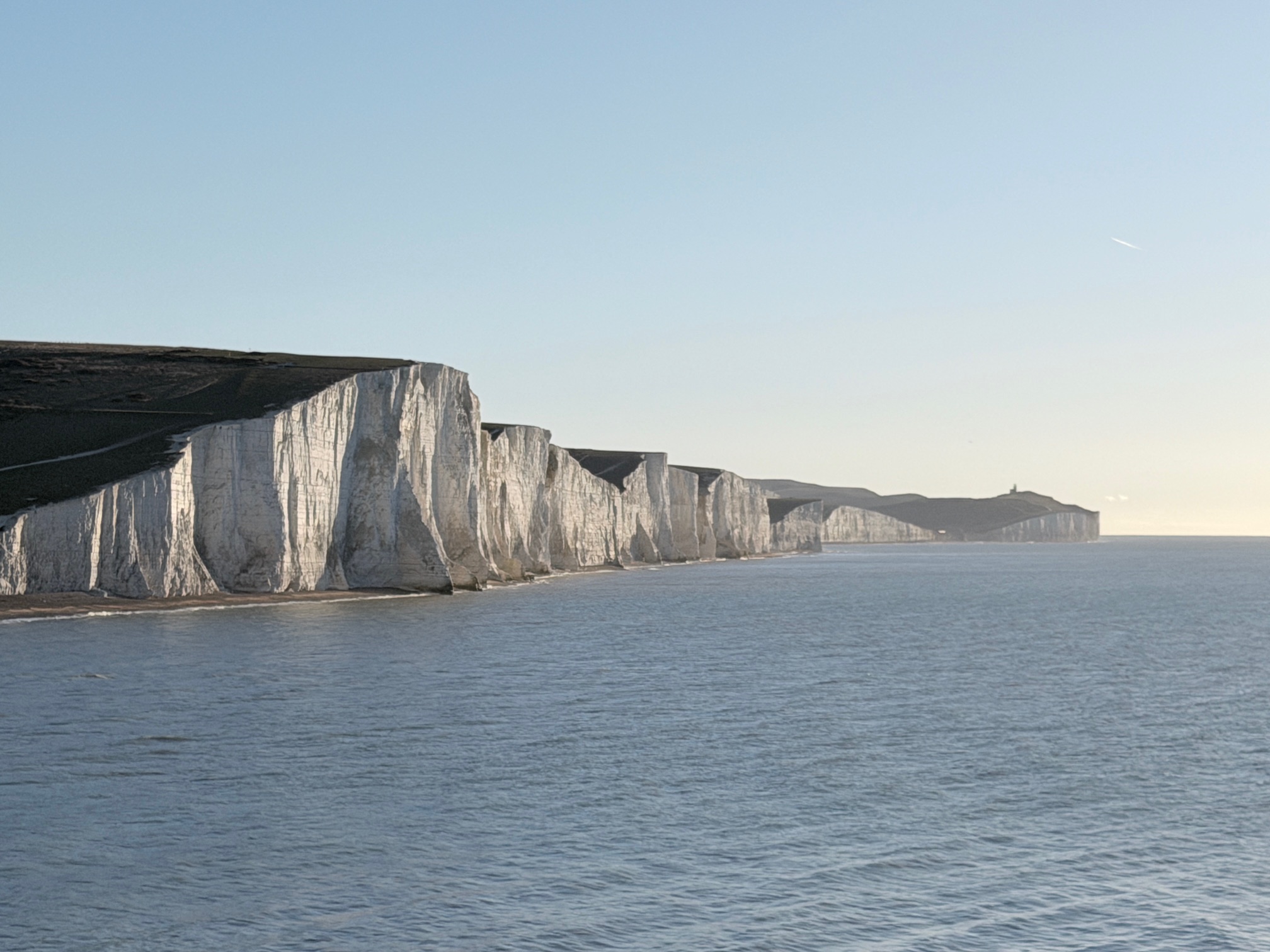
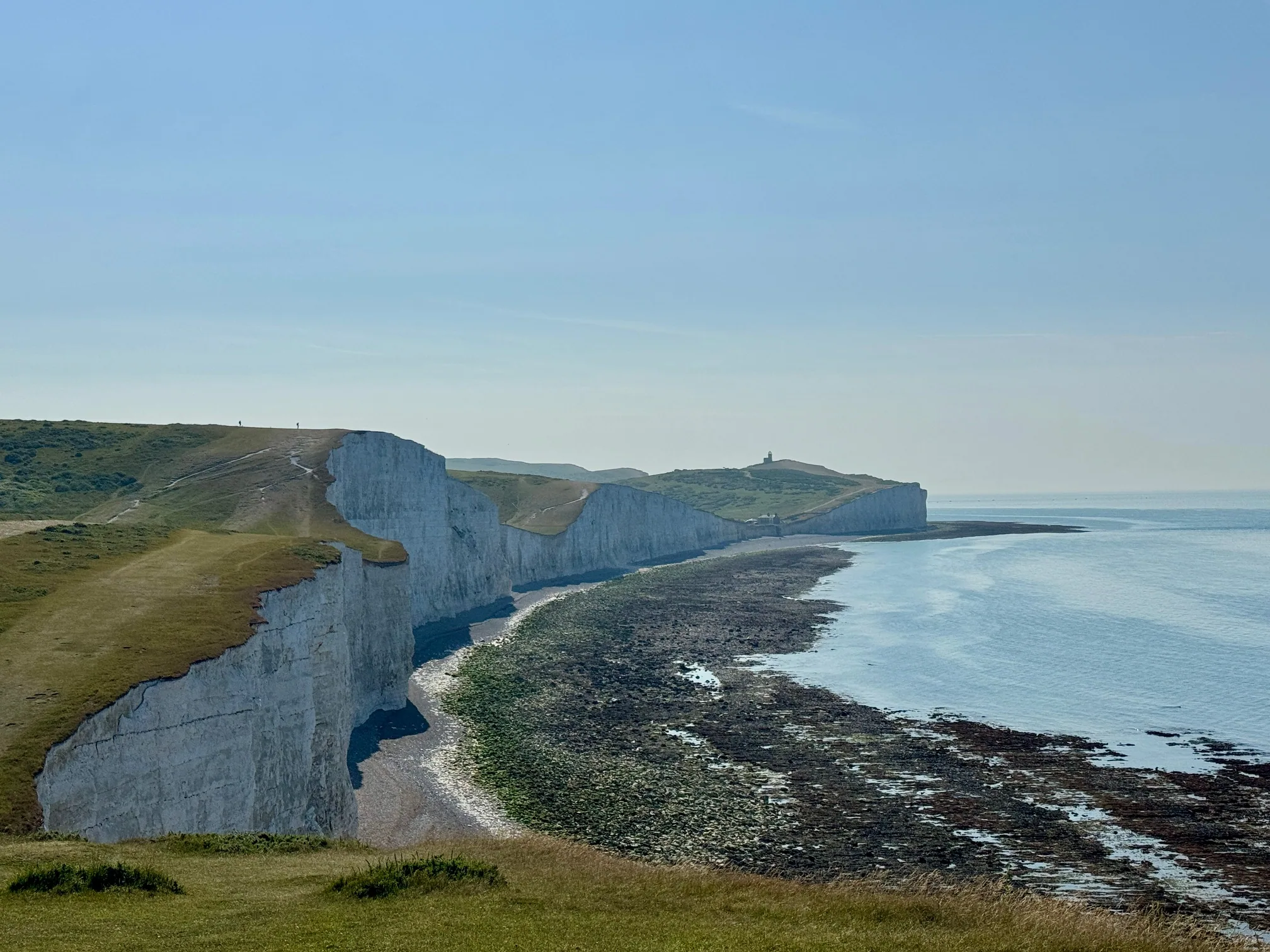
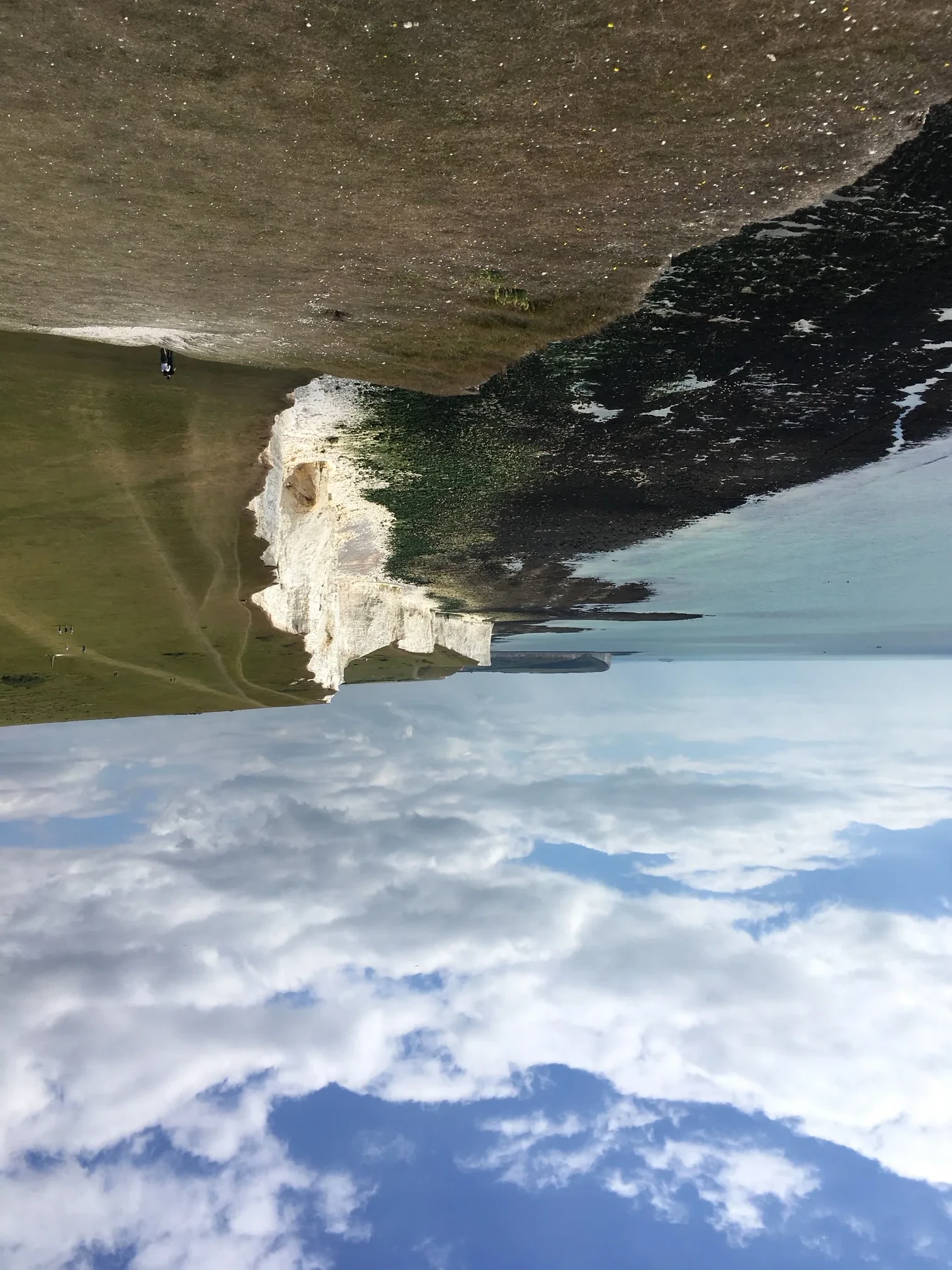
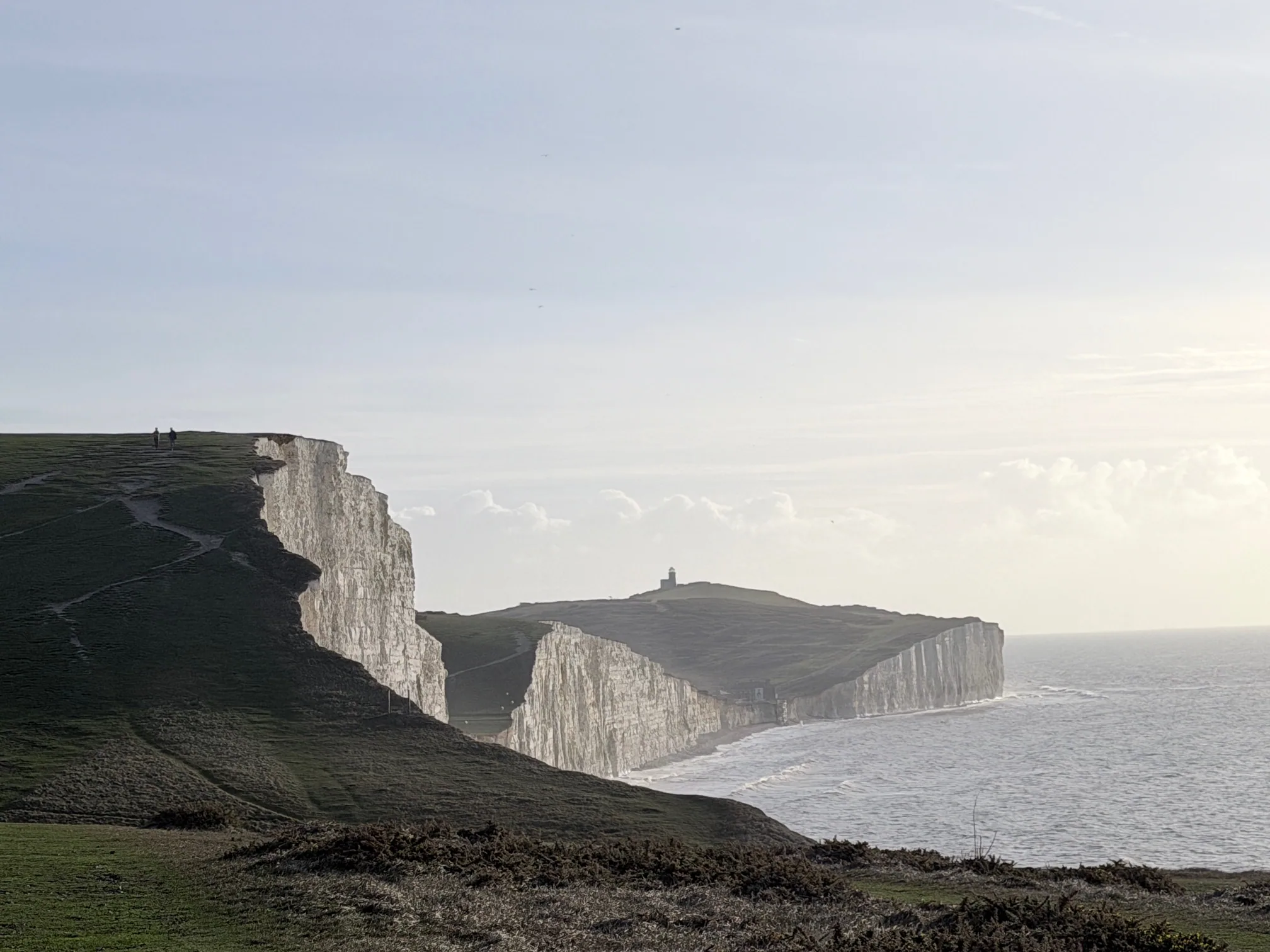
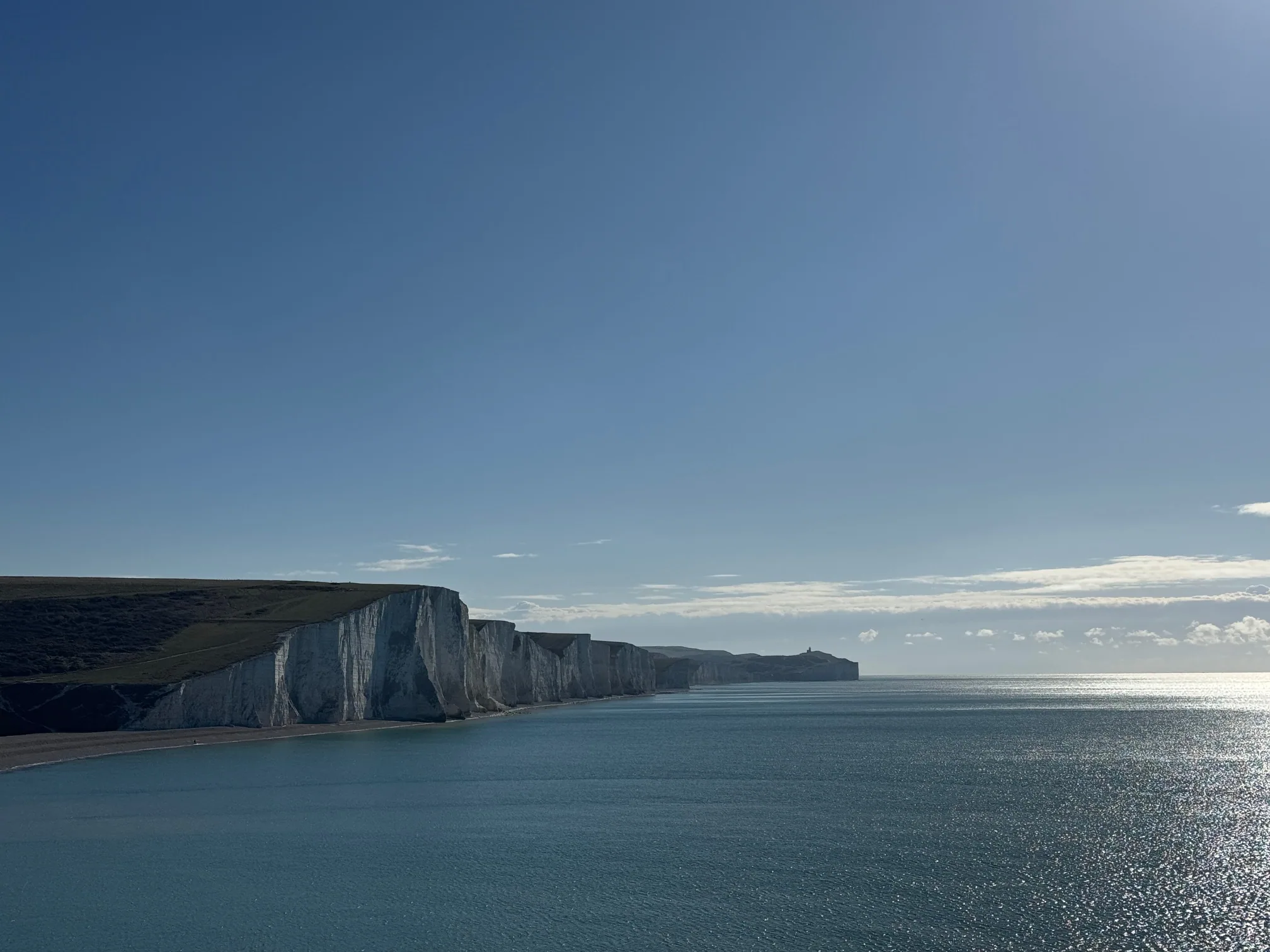
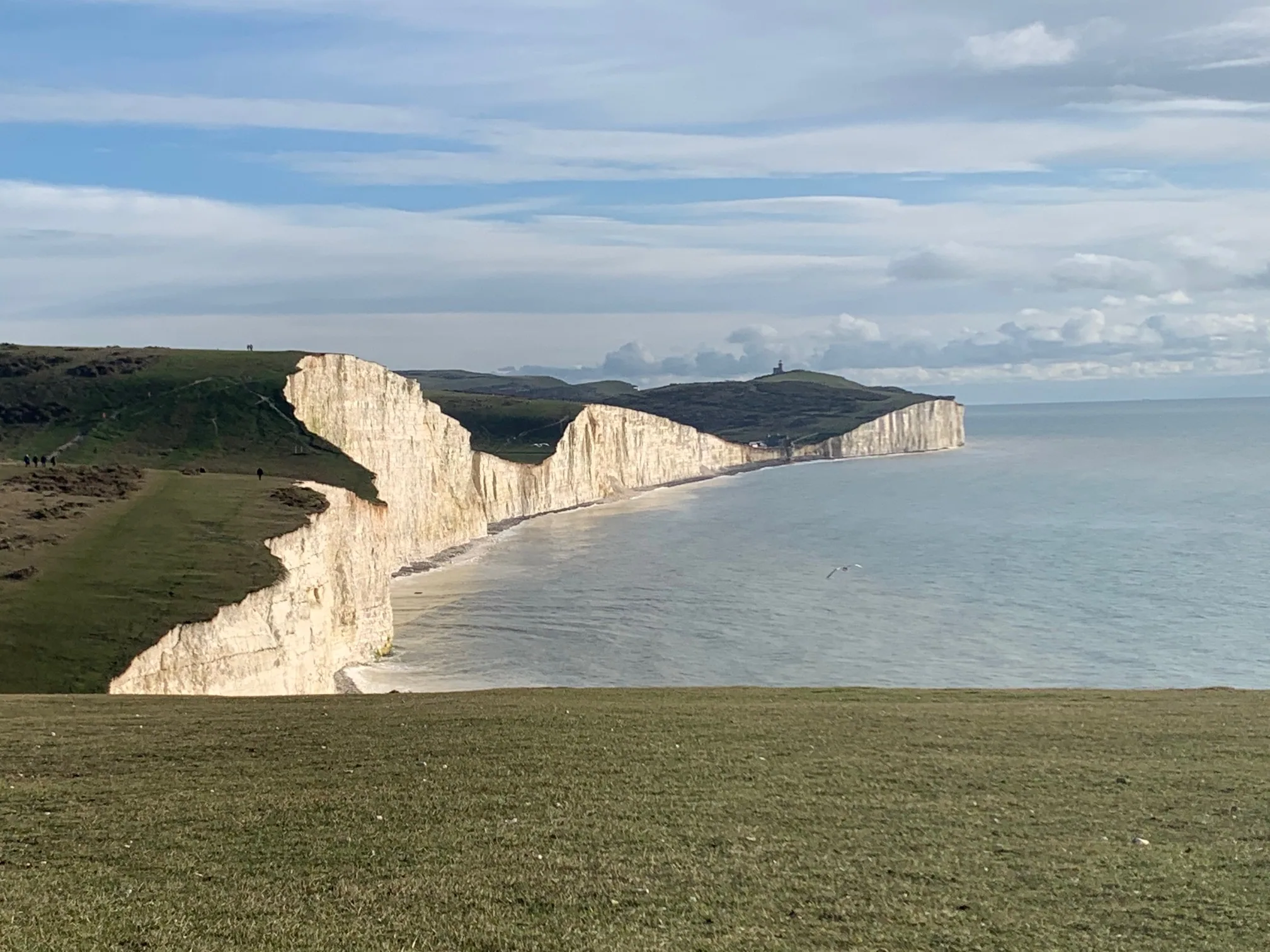
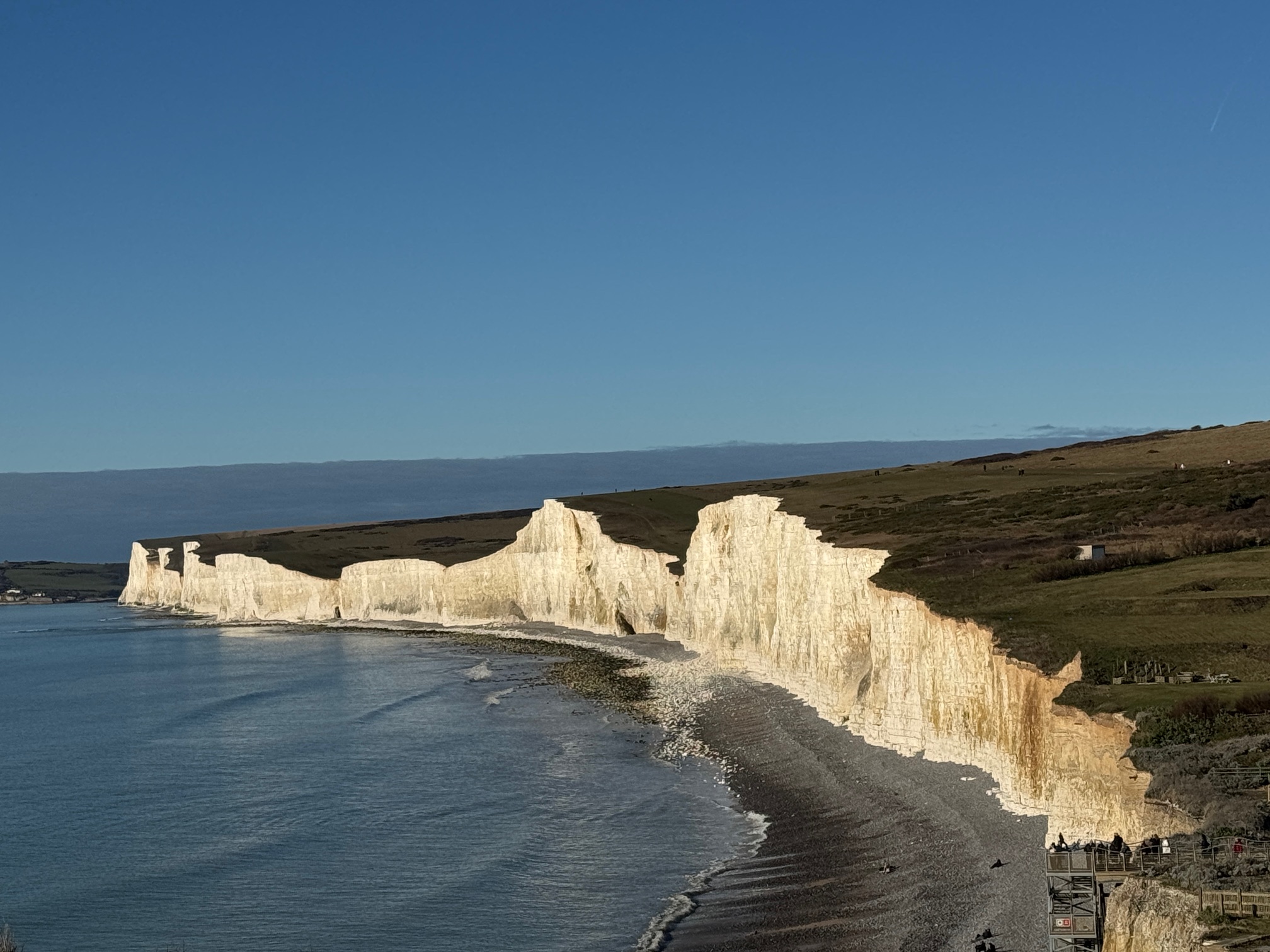
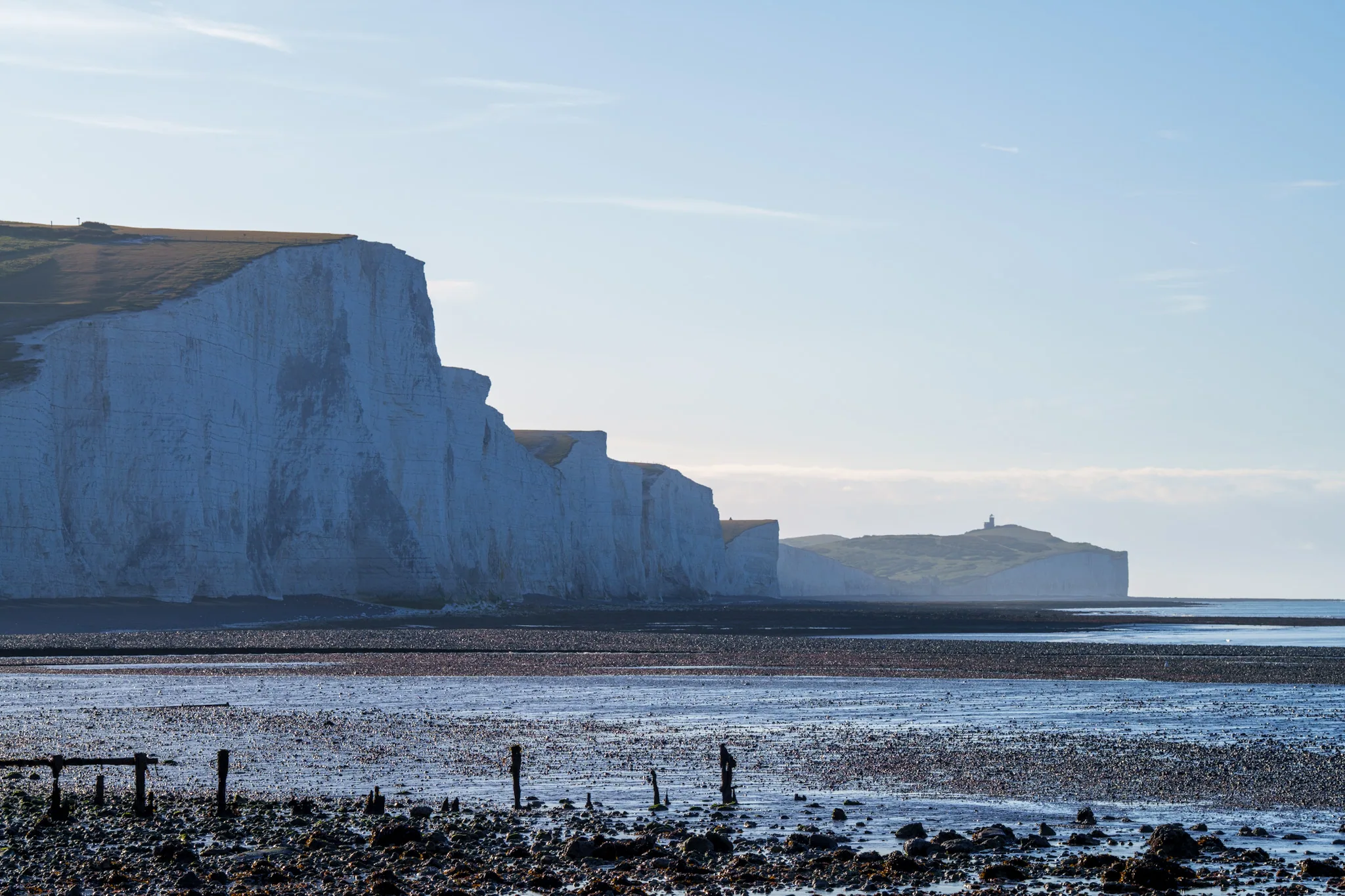
This is the headline attraction, and it deserves to be. Seven Sisters was designated a National Nature Reserve by King Charles III in March 2026 — the highest level of legal protection available to a natural site in England. The 21.9km sweep of chalk coast between Seaford and Eastbourne has been protecting itself against mediocrity for 85 million years. It is stunning in a way that photographs don't quite capture.
The main walk runs from Seaford Head to Birling Gap, passing over seven distinct cliff peaks (hence the name). The full route takes around 4–5 hours at a steady pace and involves around 280 metres of cumulative ascent over the Sisters alone, plus the climb over Seaford Head before them — more than you'd expect, because each peak demands a full climb and descent. This is a serious coastal hike, not a stroll.
Practical note: Arrive at Birling Gap before 10am on weekends between May and September. The car park fills completely by mid-morning. Alternatively, start from Seaford — parking is easier, and the views looking east toward the cliffs are the ones most people miss.
The National Nature Reserve designation means long-term conservation is legally guaranteed. The chalk grassland above the cliffs supports rare orchids, chalkland butterflies, and peregrine falcons nesting on the cliff faces. For anyone interested in wildlife, the site rewards patience and early morning visits when the paths are quieter.
If you want to do more than walk, guided experiences include cliff walks led by local specialists, photography expeditions, wildlife safaris, and boat tours from below — which give you the full scale of the cliffs in a way that the clifftop path cannot.
Birling Gap and Beachy Head
Birling Gap is the mid-point between Seaford and Eastbourne, with a National Trust café, toilets, and the famous concrete steps down to the beach. The steps are frequently repaired or replaced as cliff erosion removes the land beneath them — you're watching geological change in real time here.
Beachy Head, roughly 4km (about an hour's walk) east from Birling Gap, offers a completely different perspective: you look at the cliff face rather than walking along the top. The red-and-white striped lighthouse sitting at the base of 160m of chalk is one of the most photographed scenes in England. A shorter walk here suits families and anyone who doesn't want the full Seven Sisters commitment.
Cuckmere Haven
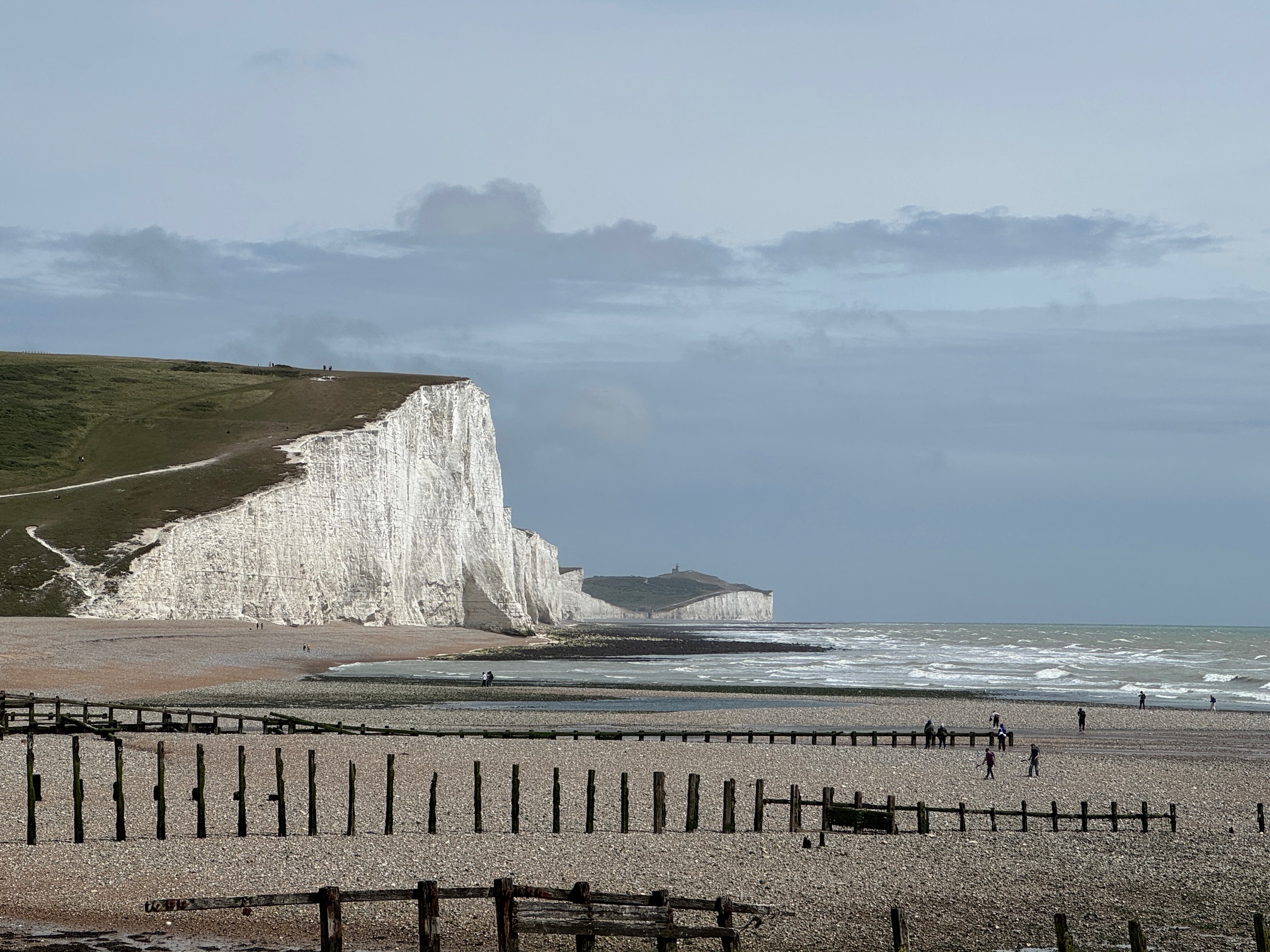
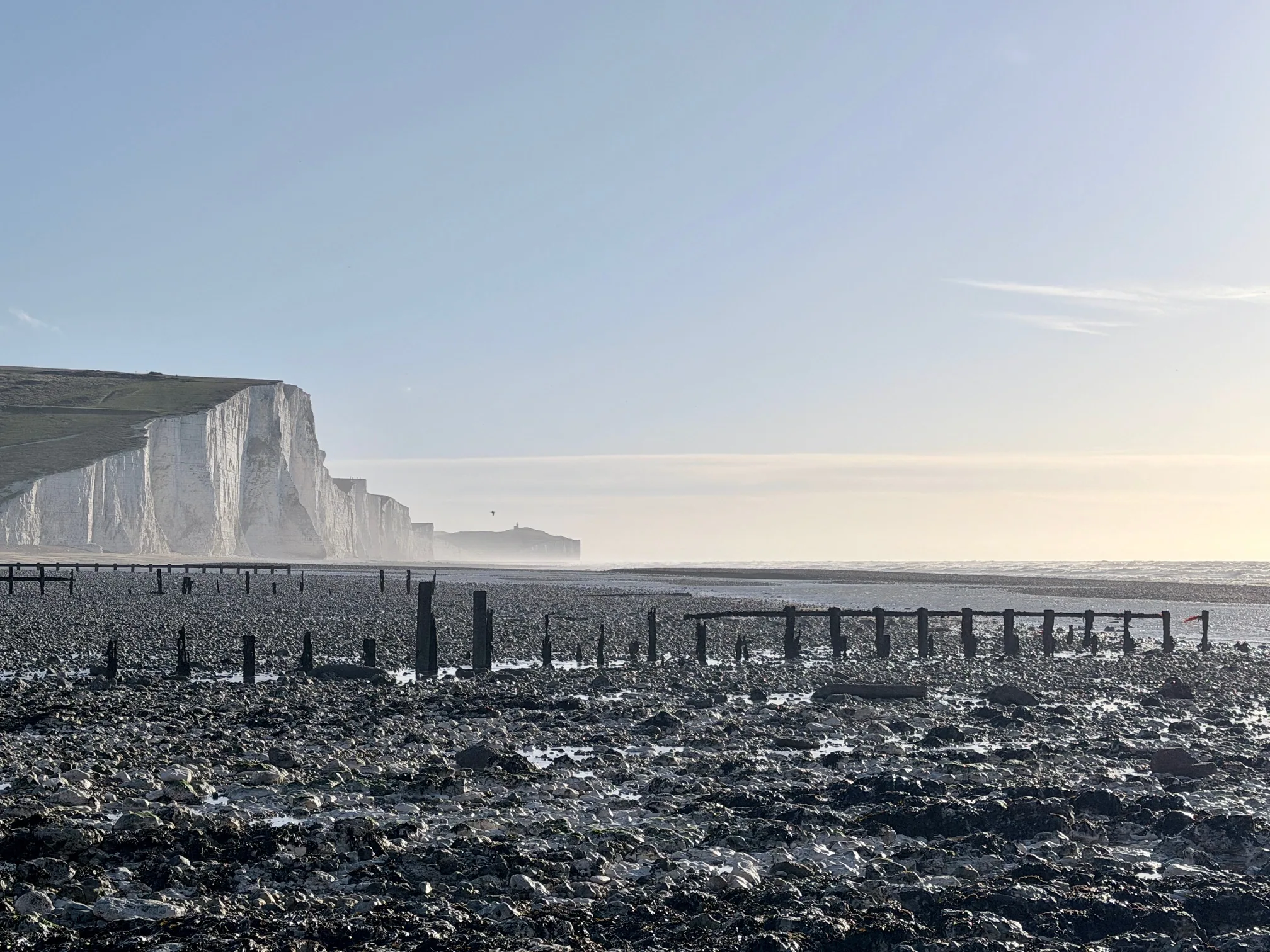
The Cuckmere River meanders through a flood plain before reaching the sea at a shingle beach flanked by chalk cliffs. It's one of the few undeveloped river mouths left in England, which makes it feel genuinely remote despite being accessible by foot from Exceat (about 1.5km). The valley walk is flat, easy, and particularly good for birdwatching — lapwings, redshanks, and little egrets are common in the meanders.
The beach at Cuckmere Haven is accessible only at low tide. Check tide times before planning a visit down to the water. On clear days you can see across to France.
Eastbourne
Eastbourne gets unfairly dismissed as a retirement destination. It has a genuinely elegant Victorian seafront, the Pier (the best-maintained of any in England), the Towner Eastbourne gallery (a serious contemporary art institution that would not look out of place in London), and a bandstand that still does regular concerts in summer. It's also where the trains go, which makes it the natural base for exploring the coast.
The walk from Eastbourne seafront to Birling Gap is roughly 9km along the clifftop path. You pass through the Beachy Head headland and reach the Seven Sisters from the east — a direction most visitors never approach from. The views back toward the lighthouse are excellent in afternoon light.
Seaford and Seaford Head
Seaford is the quieter western gateway to the Seven Sisters. The town itself is unremarkable, but Seaford Head — the headland immediately east of the town — is excellent for walks with far fewer people than Birling Gap. The local nature reserve on Seaford Head has good bird populations, and the views across the Cuckmere estuary toward the Seven Sisters cliffs are the ones that photographers come for.
Parking tip: The car park at Seaford Head (off Chyngton Road) fills less quickly than Birling Gap. On busy summer weekends this matters significantly. A walk from Seaford to the first couple of Sisters and back takes about 3 hours at a gentle pace.
Alfriston
Alfriston is the village East Sussex has in lieu of somewhere obviously picturesque. It sits in the Cuckmere Valley about 5km inland from the coast, with a medieval church, the 14th-century clergy house (the first building acquired by the National Trust), independent shops, and several decent pubs. The Smugglers Inn claim is historically credible — the valley was a major smuggling route in the 18th century.
It's a good lunch stop if you're doing the South Downs Way, which passes through the village. The walk from Alfriston to the clifftops takes about an hour and a half through the Cuckmere Valley.
South Downs National Park
The South Downs Way runs 100 miles from Winchester to Eastbourne, and the East Sussex section — the eastern half — is the most dramatic. Ditchling Beacon, Jack and Jill windmills near Clayton, and the Long Man of Wilmington (a chalk figure cut into the hillside near Litlington) are all worth seeking out. The South Downs Way long-distance footpath connects most of the major viewpoints.
The area inland from the Seven Sisters coast — particularly around Firle, Berwick, and Alfriston — is excellent cycling country. The terrain is hilly but the lanes are quiet and the views are substantial.
Bodiam Castle
Bodiam is a moated medieval castle in the Rother Valley, about 25 miles north-east of Eastbourne. It's one of the most complete examples of late medieval castle architecture in Britain, and it photographs extraordinarily well when the moat is still. English Heritage manages it. Worth combining with a day in Rye if you're spending two days in East Sussex.
Rye
Rye is 30 miles east of Eastbourne along the coast, and it feels like a different era. A hilltop town with cobbled streets, the Mermaid Inn (an actual medieval coaching inn), independent bookshops, and views over Romney Marsh to the sea. The harbour is still commercially active. Rye is the kind of place you find yourself planning to return to.
East Sussex at a Glance
- Best for walks: Seven Sisters National Nature Reserve, Seaford Head, South Downs Way
- Best for families: Birling Gap beach steps, Cuckmere Haven flat walk, Eastbourne seafront
- Best for history: Bodiam Castle, Alfriston Clergy House, Rye
- Best for photography: Seven Sisters dawn from Seaford Head, Beachy Head lighthouse, Rye Harbour
- Best for food: Alfriston pubs, Eastbourne independent restaurants, Rye's food scene
Hastings
Hastings has had a difficult few decades but the Old Town — separate from the modern resort — has an interesting mix of fishing heritage, independent culture, and the funicular railways (the oldest electric cliff railways in the world). The Jerwood Gallery on the seafront is worth visiting. The net huts on the beach (tall black wooden structures used to store fishing gear) are unique to Hastings.
When to Go
Spring (April–June) is the best time for wildflowers and fewer crowds — the chalk grassland above the Seven Sisters cliffs is particularly good for orchids in May and June. Summer is busy, especially at Birling Gap. Autumn (September–November) brings dramatic light and emptier paths. Winter closes some of the coastal cafés but the cliffs are genuinely atmospheric in low cloud.
Full seasonal breakdown: When to Visit Seven Sisters.
Getting There
The main train routes run from London Victoria and London Bridge to Eastbourne (1h 30min) and Seaford (via Lewes, approximately 1h 25 minutes from Victoria). By car, the A27 connects the coastal towns. Parking is manageable outside summer weekends; on summer weekends, arriving early or using trains is strongly advised.
Detailed transport options: Seven Sisters from London and parking guide.
Planning a Seven Sisters Visit?
Our complete Seven Sisters guide covers everything from parking and tides to walking routes and guided experiences. If you want to go beyond the clifftop walk, browse guided tours and experiences led by local specialists.
Planning the walk itself?
Four routes run along these cliffs and they are not interchangeable — a flat 3km riverside stroll, the classic 6.5km Exceat to Birling Gap crossing, a short Birling Gap loop, and the full 21.9km Seaford to Eastbourne ridge. Compare distance, ascent and difficulty before you pick one.
- Easy Birling Gap Short Loop 2 km 45 min
- Easy Cuckmere Haven Beach 3 km 1 hour
- Moderate Exceat to Birling Gap 6.5 km 2-3 hours
- Challenging Seaford to Eastbourne 21.9 km 6-7 hours
We may earn a small commission on bookings made through this link, at no extra cost to you. More info.
£4.99 · 24-page PDF · Instant download
The Seven Sisters Ultimate Guide
The complete 24-page companion built from first-hand walks — every cliff, all four graded routes, tide windows and a parking strategy. Designed to work offline, right on the cliff top.
- All 7 cliffs — heights, geology & viewpoints
- Four graded walking routes, compared
- Tide windows, light calendar & day plans
- Parking strategy & seasonal planner
Just want the basics? Download the free 2-page walk guide
Want an expert-led Seven Sisters tour?
From guided cliff walks and wildlife safaris to geology hikes and photography tours — explore all our curated experiences with local guides.