Things to Do Near Seven Sisters: A Full Day Beyond the Walk
Most people arrive at Seven Sisters, walk the cliffs, take the photograph, and leave. That's a fine use of two hours. But if you're driving from London, making a weekend of it, or trying to keep a mixed group happy — some who want to walk, some who'd rather not — there are things to do near Seven Sisters that most visitors never find. Kayaking along the cliff base. Fossil hunting on the beach. Alfriston village, which is 5km up the valley and feels nothing like the tourist trail. Friston Forest, which almost nobody goes to despite being right there.
This guide covers all of it.
Fossil Hunting at Birling Gap
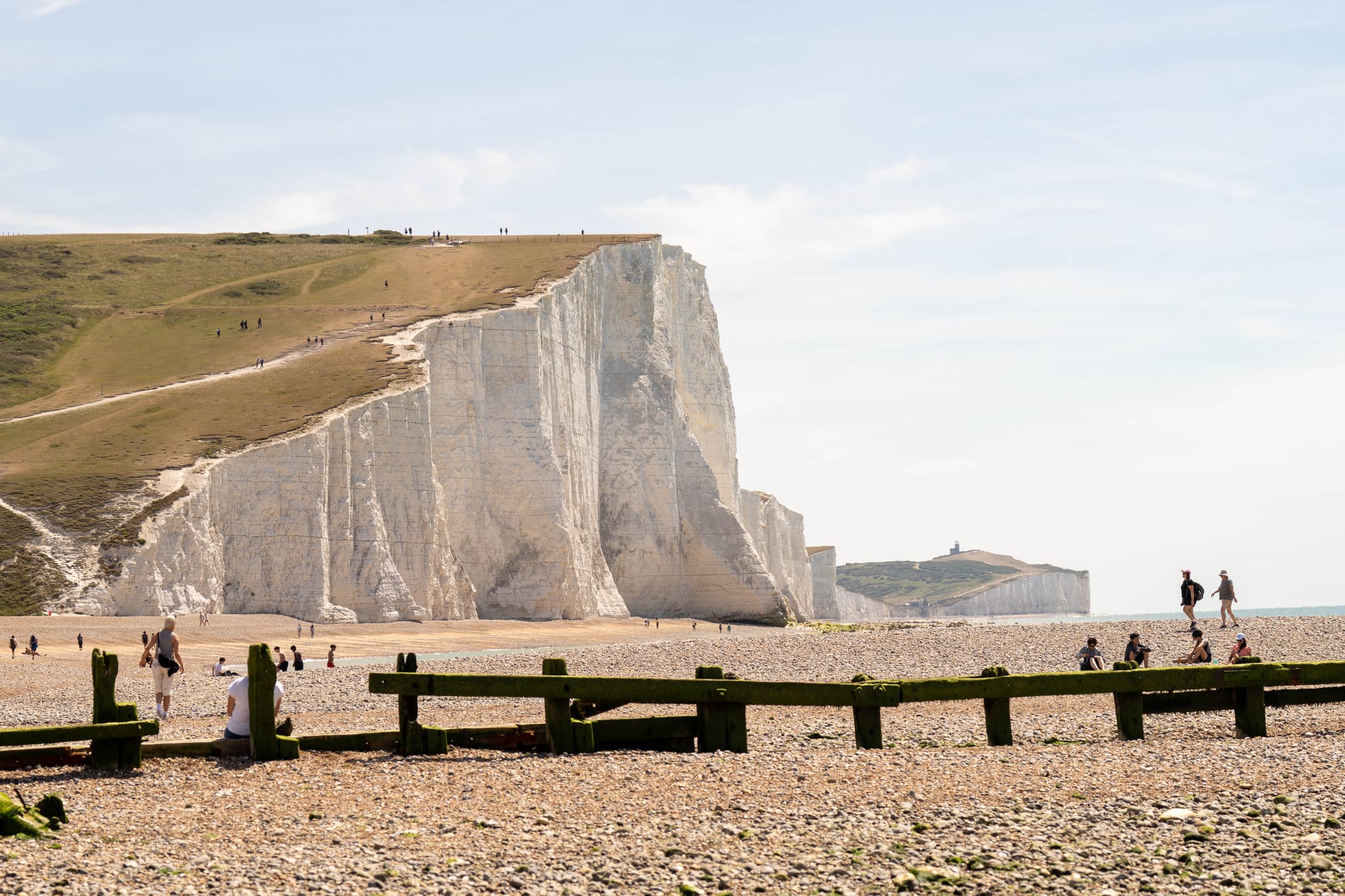
The beach at Birling Gap is one of the most productive fossil-hunting beaches on the south coast, and it requires no equipment, no experience, and no preparation beyond getting down the stairs and crouching down to look at what's in front of you.
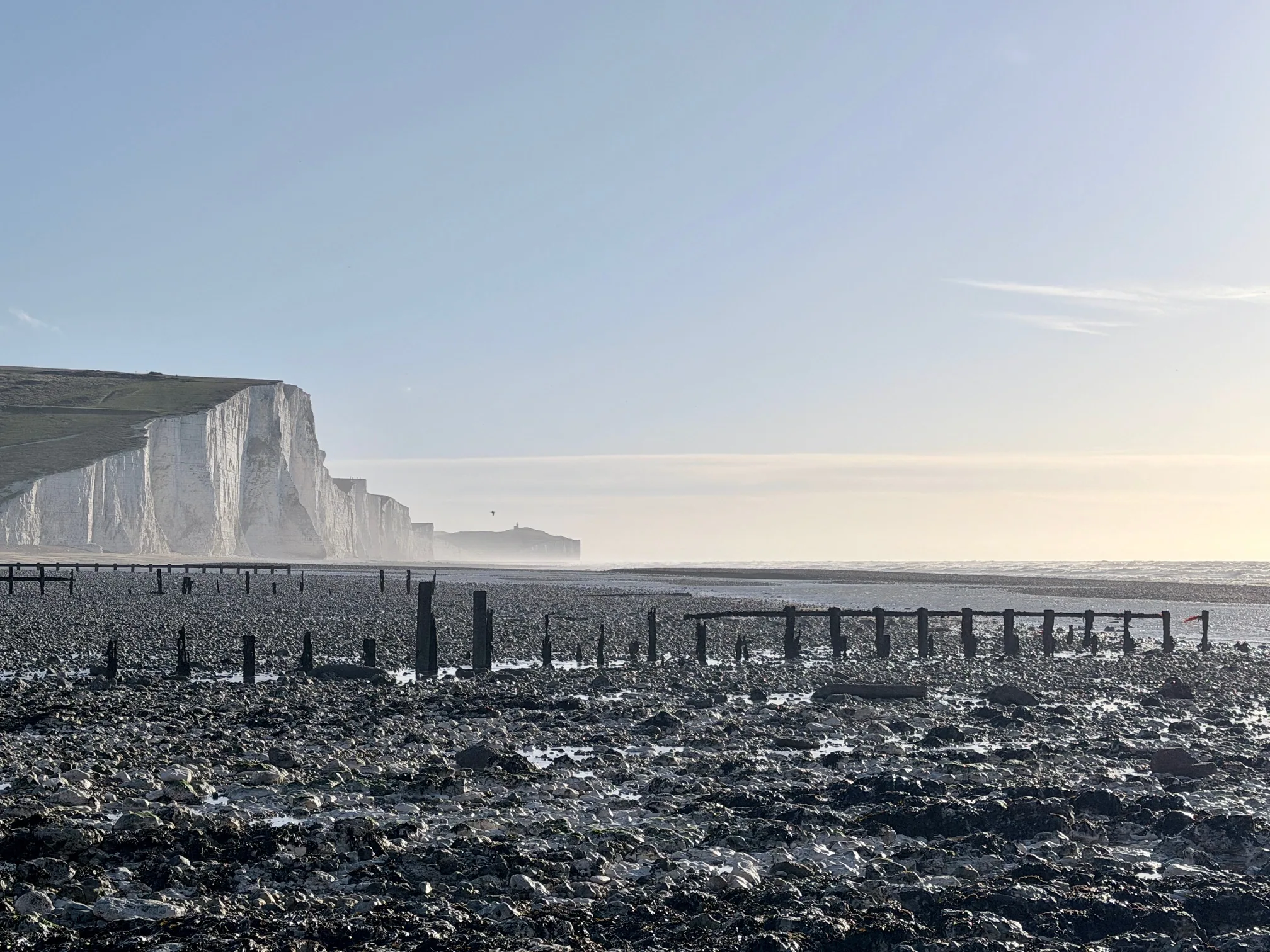
The beach is composed largely of chalk rubble eroded from the cliffs above — chalk that formed at the bottom of a shallow tropical sea around 85 million years ago. Embedded in that chalk are the remains of the creatures that lived there: echinoids (fossilised sea urchins), belemnites (squid-like cephalopods), bivalve shells, and occasional sponge fossils. They're not rare — they're common enough that most visitors find something within twenty minutes of looking.
What to look for: Echinoids (heart-shaped or round, roughly the size of a golf ball, with a distinctive star pattern on top) are the most commonly found and most satisfying to discover. Belemnites look like small bullets or cylindrical bullets of black or brown stone. Bivalves are flattened shell impressions in pale chalk.
Best conditions: Low tide, after storms. Fresh falls from the cliff bring new material onto the beach. Spring tides expose more of the lower beach. Our tide times guide explains how to plan around the tides.
For the full guide to what's findable and when, see our dedicated rock pooling guide.
Sea Swimming
The water off the Seven Sisters coastline is some of the cleanest bathing water on the English coast, consistently rated excellent by the Environment Agency. In July and August the sea temperature reaches 17–19°C — cold by Mediterranean standards, but perfectly swimmable for those prepared for the English Channel.
Birling Gap beach is the main swimming spot in the area. The beach shelves reasonably gently, the water is clear, and there are no rip currents comparable to what you'd find on Atlantic-facing coasts. That said, this is open sea: no lifeguards, significant wave action possible, and occasional strong longshore drift.
Cuckmere Haven beach (accessed via the valley walk from Exceat) is an alternative with the advantage of a gentler approach and more beach to spread out on.
For full safety information including water conditions and recommended swimwear, our sea swimming guide covers everything you need to know before going in.
Kayaking and Stand-Up Paddleboarding
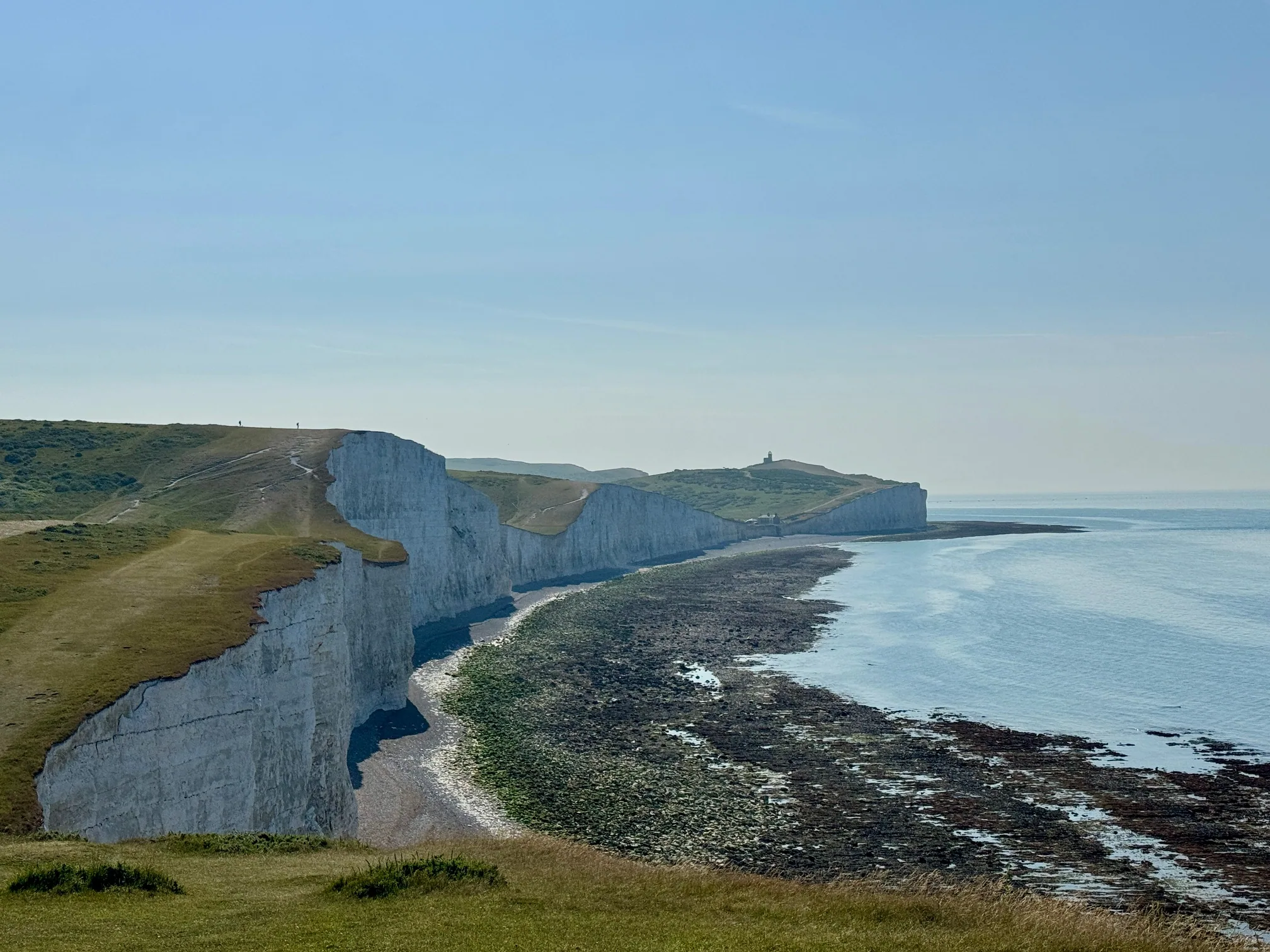
The chalk cliff coastline looks completely different from sea level, and getting out on the water is one of the most underrated ways to experience the Seven Sisters. The cliffs tower at up to 77 metres from the shoreline; the rock stacks and eroded cliff faces visible from the beach are inaccessible any other way.
Kayaking: Sea kayaking along the base of the cliffs is possible from Birling Gap beach and Cuckmere Haven in calm conditions. This is genuinely for experienced kayakers only — the coastline is exposed, there are no sheltered coves to retreat to, and the cliff base is hazardous in swell. If you're an experienced paddler with a suitable sea kayak, a flat-sea July morning gives you spectacular access to cliff sections and sea caves not visible from land.
Stand-up paddleboarding: SUP in the sheltered waters at Cuckmere Haven mouth, where the river meets the sea, is accessible for beginners. The estuary provides calmer conditions than the open beach. Equipment hire is available from operators in Eastbourne and Seaford (book ahead in summer — kit runs short quickly in July and August).
Guided sea trips from Eastbourne: Several operators run guided coastal kayaking and RIB trips from Eastbourne harbour that pass the foot of the Seven Sisters and Beachy Head. These are the accessible option if you want the sea-level perspective without owning a kayak — a 90-minute RIB tour from Eastbourne gives you the full cliff face from water level, including the chalk stacks below Beachy Head. Search for "Eastbourne coastal boat trips" and book directly with local operators.
Wildlife Watching
The Seven Sisters and the surrounding Cuckmere valley sit within the South Downs National Park, and within a couple of kilometres you move through chalk downland grassland, coastal scrub, river estuary, saltmarsh, and the cliff face itself. That variety of habitat crammed into a small area is why the wildlife here punches above its weight.
Birds: Peregrines nest on the cliff faces and are regularly seen hunting above the cliffs in summer. Kestrels hover over the clifftop grassland throughout the day. In the Cuckmere valley, watch the river for kingfishers (early morning is best), and the reedbeds for reed warblers and sedge warblers. Overhead, house martins and swallows sweep low over the estuary.
Chalk downland insects: The clifftop grassland is some of the finest unimproved chalk downland in England. In July and August it supports populations of chalk-specialist butterflies including chalkhill blue, Adonis blue, dark green fritillary, and marbled white. If butterflies are your thing, this is one of the best sites in the country. The peak season is mid-July to mid-August.
Marine wildlife: From the clifftop, bottlenose dolphins are occasionally spotted in the channel, particularly in summer. More reliably, grey seals can sometimes be seen hauled out on chalk ledges at the base of the cliff during low tide. Common seals occasionally appear in the Cuckmere estuary. Scan the sea surface from the cliff edge (from a safe distance) with binoculars in the early morning.
Our complete wildlife guide covers species, best locations, and seasonal timing in detail.
Alfriston Village
Alfriston is arguably the most beautiful village in the South Downs, and it sits about 5km north of the Seven Sisters, accessible by foot via the Cuckmere valley path or a short drive. Most Seven Sisters visitors never make it there, which means it remains genuinely pleasant even in the height of summer.
The village has a medieval market square, a 14th-century church known as the Cathedral of the Downs, the oldest National Trust property in existence (Alfriston Clergy House, acquired in 1896), several independent shops, a handful of good pubs, and a tea room that gets justifiably busy on summer afternoons.
If you're combining the Cuckmere valley walk with a full day out, walking from Exceat to Alfriston along the river (about 4km, very flat) and spending an hour in the village before returning gives you a complete half-day. The Cuckmere Inn at Exceat is the bookend stop. See our Cuckmere Valley walk guide for the route.
Friston Forest
Immediately behind the Seven Sisters cliffs, invisible from the coast, lies Friston Forest — 850 hectares of working woodland managed by the Forestry England. It's completely free, completely quiet compared to the clifftop, and offers marked walking and cycling trails through a landscape that feels utterly unlike the exposed chalk downland a kilometre away.
On hot July and August days when the clifftop is baking and crowded, Friston Forest is the alternative the regulars know about. Shaded tracks, birdsong instead of wind, mountain bike trails for those who want them. The forest car park is at Westdean — a tiny hamlet with a 12th-century church and no tourist infrastructure whatsoever, which is rather the point.
Read our full Friston Forest guide for routes and what to expect.
Seven Sisters Country Park: More Than the Valley Walk
Seven Sisters Country Park (managed by East Sussex County Council) covers 280 hectares of the Cuckmere valley and its meandering floodplain, and most visitors only see the main valley path to Cuckmere Haven beach. There's more to it.
The park includes:
- The meandering Cuckmere River: The famous river loops through the valley floor, and the walk along its banks (rather than the straight military canal that most people follow) is slower, quieter, and passes through reeds and wetland that's excellent for birds
- The visitor centre at Exceat: Small exhibition on the geology and ecology of the valley — worth 20 minutes if you're interested in the landscape you're walking through
- Organised events: The park runs guided walks, wildlife surveys, and family activity days throughout summer — check the East Sussex County Council website for what's on during your visit
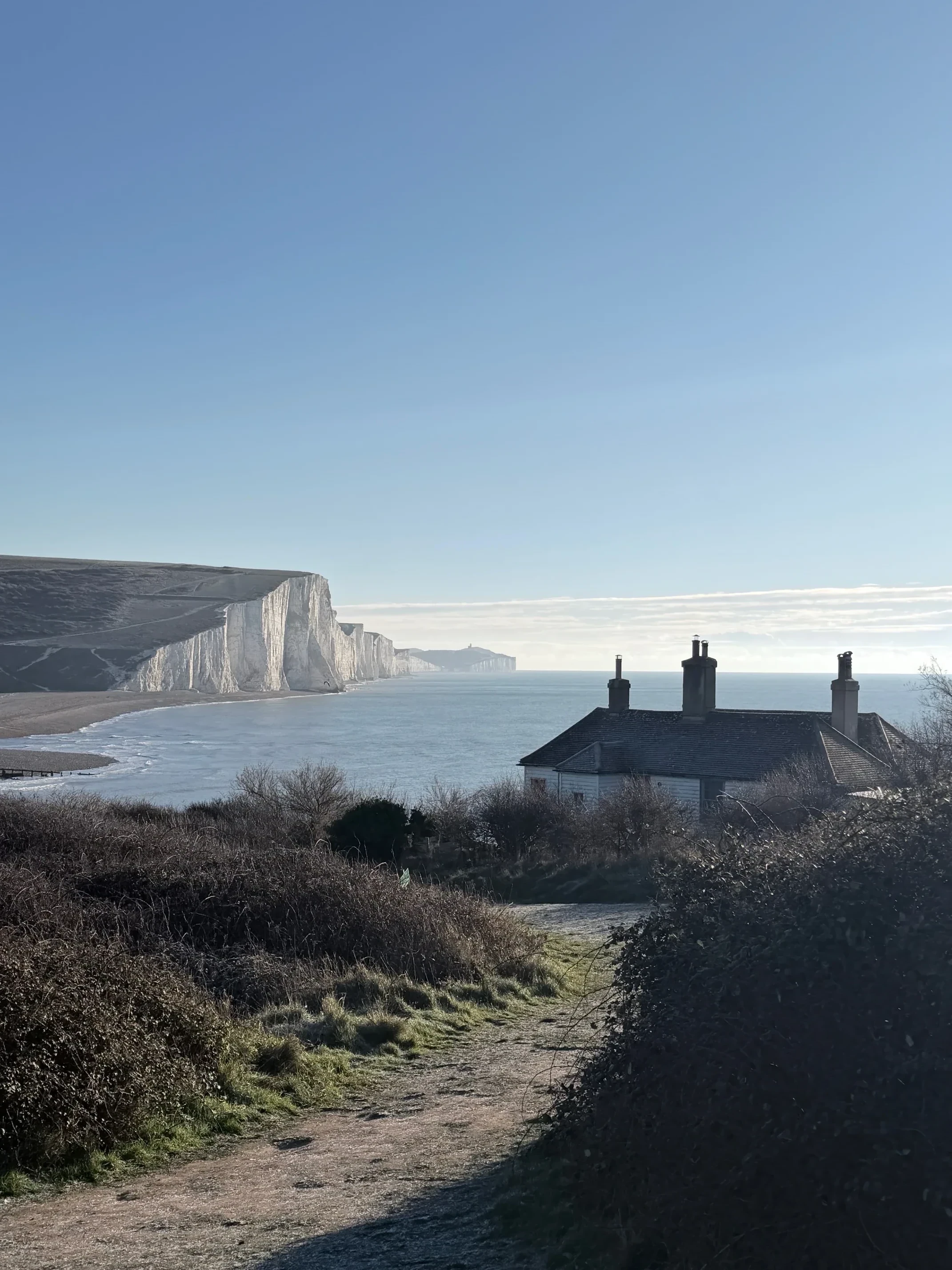
- The old coastguard cottages: At Cuckmere Haven, the row of former coastguard cottages (now holiday lets) makes for one of the most photographed scenes in Sussex. Worth the walk just for the view back up the valley
Photography: Making the Most of Golden Hour
The Seven Sisters in summer offer extraordinary photography, but most visitors photograph them at the wrong time of day. Midday July and August light is harsh, the cliffs look flat, and the paths are at their most crowded.
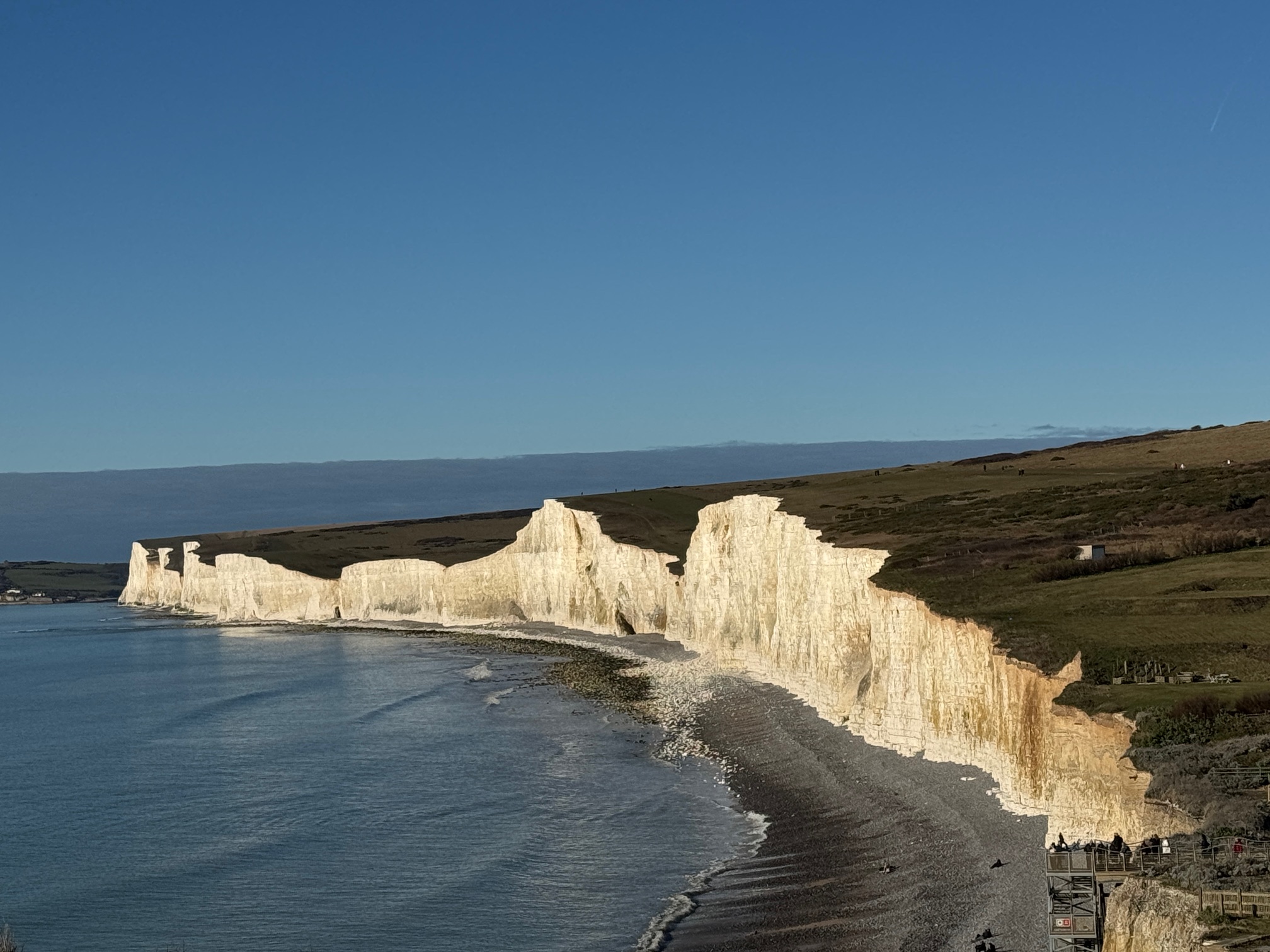
The best light is in the first two hours after sunrise (roughly 5–7am in July) and in the hour before sunset (9–10pm). At golden hour, the chalk takes on a warm amber colour, the shadows emphasise the texture of the cliff faces, and the cliffs and sea achieve a quality that no midday shot comes close to.
Our full photography guide covers the best viewpoints, compositions, and camera settings for the Seven Sisters in detail. For golden hour timing, our when to visit guide has seasonal timing advice.
Cycling
The South Downs Way national trail runs directly through the Seven Sisters area and the broader Cuckmere valley — and while the clifftop section itself is walking-only, the inland routes offer excellent road and trail cycling through some of the best cycling country in England. July and August are peak season for cyclists on the South Downs.
A circular route taking in East Dean, Friston, the forest tracks, and the valley back to Exceat makes for a half-day ride that covers the best of the inland Seven Sisters landscape. Road cyclists tackle the hill out of Alfriston toward Firle — one of the better climbs in Sussex without needing to go to the Meon Valley or Surrey Hills.
For routes, hire options, and logistics, our routes guide covers everything.
Building a Full Day Around Seven Sisters
- Early morning (7–9am): Clifftop walk or golden hour photography — the cliffs and light are at their best and the paths are empty
- Mid-morning (9–11am): Beach time at Birling Gap — fossil hunting or swimming before the crowds arrive
- Lunch (noon–2pm): Tiger Inn in East Dean or packed lunch on the clifftop — avoid the Birling Gap café at peak hours
- Afternoon (2–5pm): Cuckmere valley walk, Alfriston village, or Friston Forest — escape the heat and the clifftop crowds
- Evening (7–9pm): Return to the clifftop for sunset — the best light of the day and a fraction of the midday crowd
If the Weather Turns
A wet August day on the Seven Sisters is not a pleasant experience — exposed, cold, and with limited shelter on the clifftop paths. Bad weather alternatives within 30 minutes:
Seaford Museum: Small local history museum in a Martello tower on Seaford seafront — free, dry, and actually interesting if you're into Sussex coastal history.
Eastbourne: Full rainy-day town — Towner Eastbourne art gallery is excellent (free entry), the covered Victorian shopping arcade is genuinely characterful, and the seafront has the kind of covered promenade infrastructure that makes British seaside resorts function in all weathers.
Drusillas Park: A well-regarded small zoo in Alfriston, 20 minutes from Birling Gap. Specifically designed for young children (ages 2–10 especially). Not cheap, but a genuinely good wet-weather backup if you're visiting with kids.
More on Specific Activities
For walking routes, our complete walk guide covers every major option. For families, our Seven Sisters with kids page has age-by-age advice. For eating and drinking, our facilities guide covers all the best options in the area.
Planning the walk itself?
Four routes run along these cliffs and they are not interchangeable — a flat 3km riverside stroll, the classic 6.5km Exceat to Birling Gap crossing, a short Birling Gap loop, and the full 21.9km Seaford to Eastbourne ridge. Compare distance, ascent and difficulty before you pick one.
- Easy Birling Gap Short Loop 2 km 45 min
- Easy Cuckmere Haven Beach 3 km 1 hour
- Moderate Exceat to Birling Gap 6.5 km 2-3 hours
- Challenging Seaford to Eastbourne 21.9 km 6-7 hours
We may earn a small commission on bookings made through this link, at no extra cost to you. More info.
£4.99 · 24-page PDF · Instant download
The Seven Sisters Ultimate Guide
The complete 24-page companion built from first-hand walks — every cliff, all four graded routes, tide windows and a parking strategy. Designed to work offline, right on the cliff top.
- All 7 cliffs — heights, geology & viewpoints
- Four graded walking routes, compared
- Tide windows, light calendar & day plans
- Parking strategy & seasonal planner
Just want the basics? Download the free 2-page walk guide
Want an expert-led Seven Sisters tour?
From guided cliff walks and wildlife safaris to geology hikes and photography tours — explore all our curated experiences with local guides.